



How to Choose the Right Coffee Table Size for Your Sofa

How to Choose the Right Coffee Table Size for Your Sofa
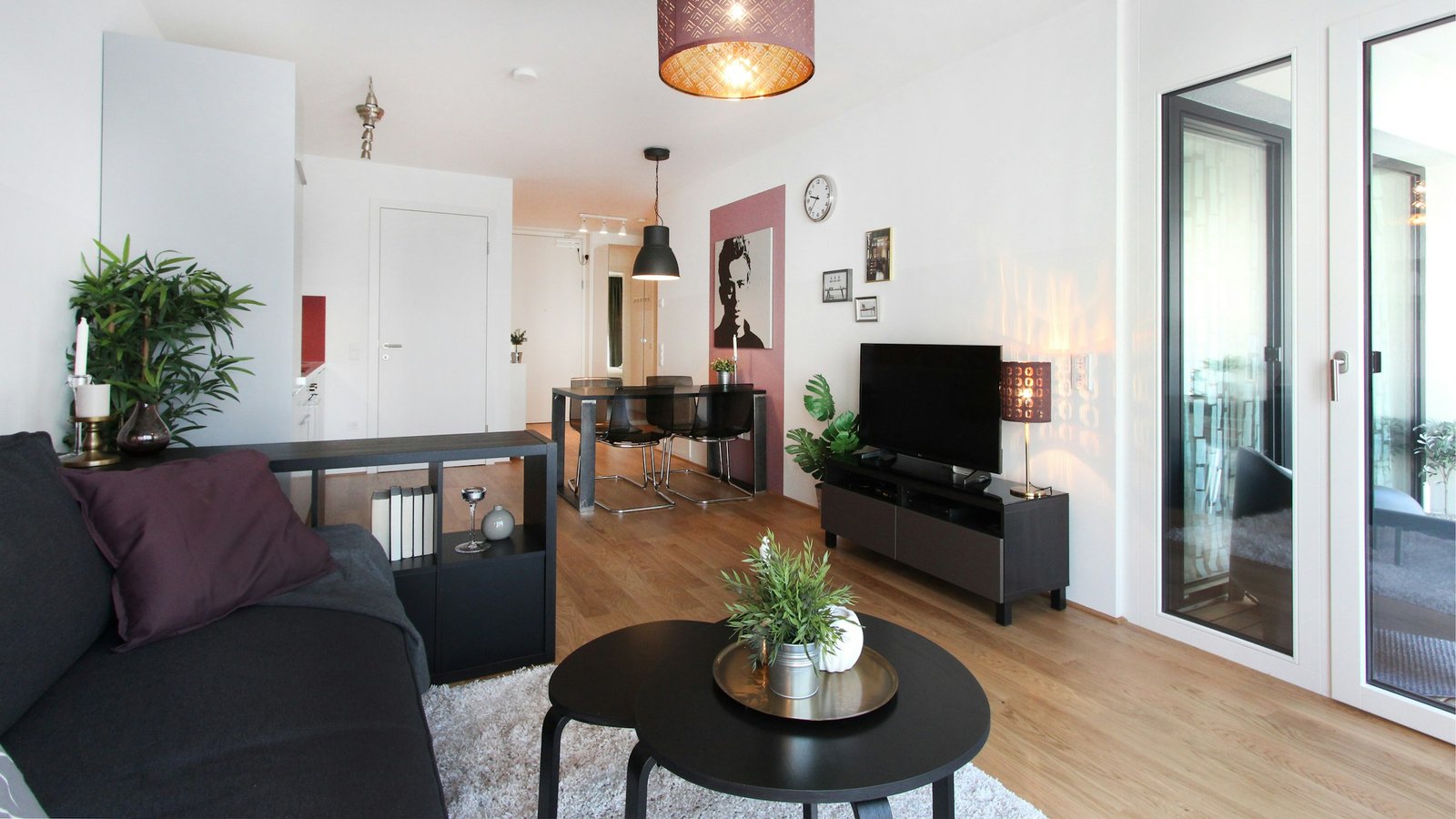
The right coffee table should feel proportional to the sofa and leave enough room to move around it. A table that is too short can look lost, while one that is too large can make the room feel blocked.
A useful starting point is a coffee table about two-thirds the length of the sofa. Then check its depth, height and clearance. Measure the furniture before buying.
Feed Flow’s coffee-table clearance guide covers the space between seating and table. Its round-vs-rectangle guide helps when shape is the main question.
Start With the Sofa Length
Measure from the outside edge of one arm to the other. A 90-inch sofa gives you a starting point of about 60 inches for the table.
That is a starting point, not a rule. A small room may need a shorter table. Measure the full sofa, not only the cushions, because the table is being judged against the whole piece.
Choose the Right Width and Depth
Depth determines whether the room actually works. Measure the space from the sofa toward the wall or furniture behind the table and account for the walking path.
Mark the proposed table footprint with painter’s tape before buying. Walk around it, open nearby drawers and check the normal path through the room.
Match the Coffee Table Height
A coffee table is usually comfortable when its top is around the sofa seat height or slightly lower. Measure the actual finished seat height instead of relying on a product photo.
If your sofa has unusually low or high seating, use your measurements rather than a generic furniture rule.
Leave Enough Walking Space
A practical starting target is about 14 to 18 inches between seating and the coffee table. That gives useful legroom while keeping the table close enough to reach.
Feed Flow’s 14-to-18-inch clearance guide explains the spacing in more detail. Check the other sides too, especially near doors and media consoles.
Sizing a Table for a Sectional
With an L-shaped sectional, measure the usable opening inside the seating rather than the full outside dimensions. The table should fit without forcing people to squeeze around its corners.
A rectangular or oval table can use a long opening efficiently. A round table can work well when circulation around several seats matters more.
Choose a Shape
| Situation | Useful starting shapes |
|---|---|
| Long sofa | Rectangle or oval |
| L-shaped sectional | Rectangle, oval or round |
| Small square room | Round or compact square |
| Narrow walkway | Oval or rounded rectangle |
Shape is a circulation decision as much as a style decision. Corners affect how people move around the furniture.
Small Living Rooms
Do not buy the biggest table that technically fits. The goal is usable floor space. A narrower table, nesting tables or a smaller round table can leave better circulation.
If you eat or work from the table, prioritize useful surface area. If it is mainly decorative, a smaller footprint may be enough.
Feed Flow’s small living-room furniture guide looks at the larger layout problem.
Five-Minute Measuring Method
- Measure the sofa’s full outside length.
- Use about two-thirds as your first table-size estimate.
- Measure the sofa seat height.
- Mark the table footprint with tape.
- Leave about 14 to 18 inches between seating and table as a starting point.
- Walk through every normal path.
- Check doors, drawers, vents and nearby furniture.
Feed Flow’s Take
Choose the coffee table as part of the seating layout. Start with sofa length, then check height, depth and clearance. If people can sit comfortably, reach the table and move around the room without squeezing past it, the dimensions are doing their job.