



How to Meal Plan for One Without Wasting Food or Money

How to Meal Plan for One Without Wasting Food or Money
Meal planning for one sounds simple until you buy a bag of spinach for one recipe, half a loaf of bread for another, and enough ingredients for five dinners you never actually want to eat.
The answer is not cooking the same meal every day. It is planning around ingredients, portions and your real schedule.
The U.S. Environmental Protection Agency’s guidance on preventing food waste at home recommends planning meals, checking what you already have, buying only what you expect to use and storing food properly. That is a useful foundation for a one-person system.
Why Meal Planning for One Feels Different
Most grocery packages are designed around households rather than one meal. That means a successful solo meal plan needs to solve three problems: quantity, variety and timing.
Quantity means buying enough without creating leftovers you cannot finish. Variety means using the same ingredients in different meals so you do not get bored. Timing means matching your cooking plan to the days when you actually have time to prepare food.
Start With What You Already Have
Before making a grocery list, check the refrigerator, freezer and pantry.
Look for ingredients that need to be used soon. A half-used container of yogurt, vegetables nearing their best quality, cooked grains, eggs or an open sauce can become the starting point for your week.
Make a short “use first” list. This keeps your new shopping trip from competing with food that is already sitting at home.
Use a Flexible Weekly Framework
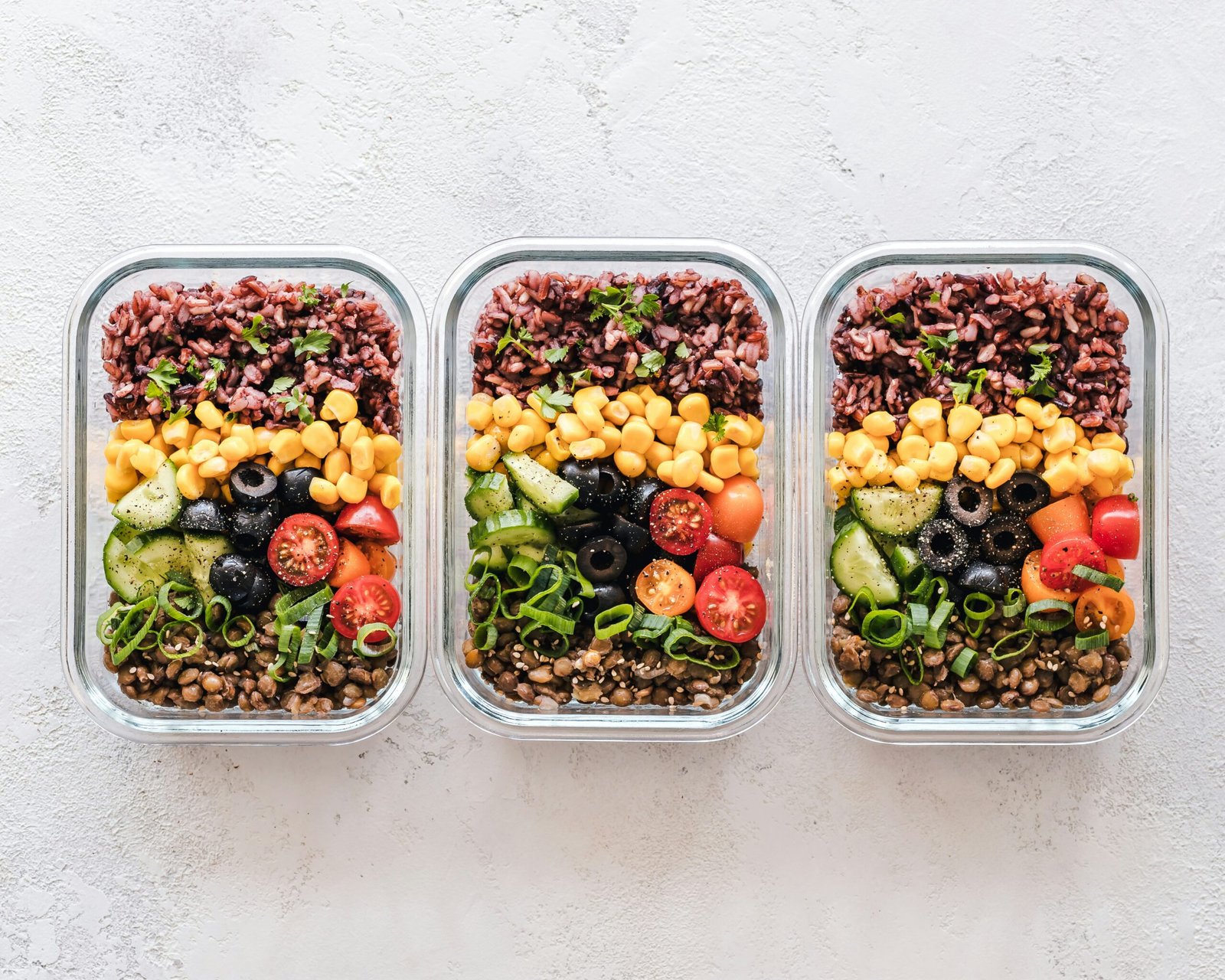
Instead of assigning seven completely different recipes to seven days, build a few meal components.
- One protein: chicken, tofu, eggs, beans, fish or another option you enjoy.
- One or two vegetables: choose vegetables that can work in more than one meal.
- One carbohydrate: rice, potatoes, pasta, bread, oats or another staple.
- One flexible sauce or flavor base: something that can change the character of leftovers.
For example, roasted vegetables and cooked rice can become a bowl one day, a wrap filling the next, and a side dish with eggs later. The ingredients stay consistent while the meal changes.
Build a Smaller Grocery List
Write the number of meals each ingredient needs to support. This is more useful than writing vague quantities.
Instead of “buy lettuce,” write “enough greens for three lunches.” Instead of buying a family-size package because it costs less per unit, ask whether you will realistically finish it.
EPA specifically recommends planning meals before shopping, checking existing supplies and buying only the amount you expect to use. Buying in bulk only saves money when the food is actually consumed.
Make Leftovers Deliberate
Leftovers work best when they are part of the plan from the beginning.
If you cook four servings, decide where the other three servings will go before you start cooking. You might eat one the next day, freeze two, or transform the components into different meals.
Do not force yourself to eat food you no longer enjoy just because it exists. The better system is to cook quantities you can realistically use.
Store Food So You Actually Use It
Visibility matters. If you cannot see leftovers, they are easier to forget.
Use clear containers when practical and label frozen meals with the contents and date. EPA recommends refrigerating or freezing leftovers in labeled containers and keeping the refrigerator at 40°F or below.
Learn which foods need different storage conditions. Some produce lasts longer when stored correctly, while other items can cause nearby produce to ripen faster.
Keep the Plan Within Budget
Meal planning should reduce spending without turning every meal into a punishment.
Choose a weekly grocery limit, then prioritize the foods that make the biggest difference to your actual meals. Compare the planned grocery bill with your spending after the week ends. If you repeatedly throw away one ingredient, buy less of it next time.
Feed Flow’s guide to budgeting groceries can help if grocery spending is becoming a larger part of your monthly budget. For broader money habits, the Personal Finance Guide brings budgeting and saving resources together.
A good one-person meal plan should leave you with fewer decisions, less waste and food you actually want to eat. Keep the framework flexible, buy for your real week and let your grocery list follow your meals instead of the other way around.