





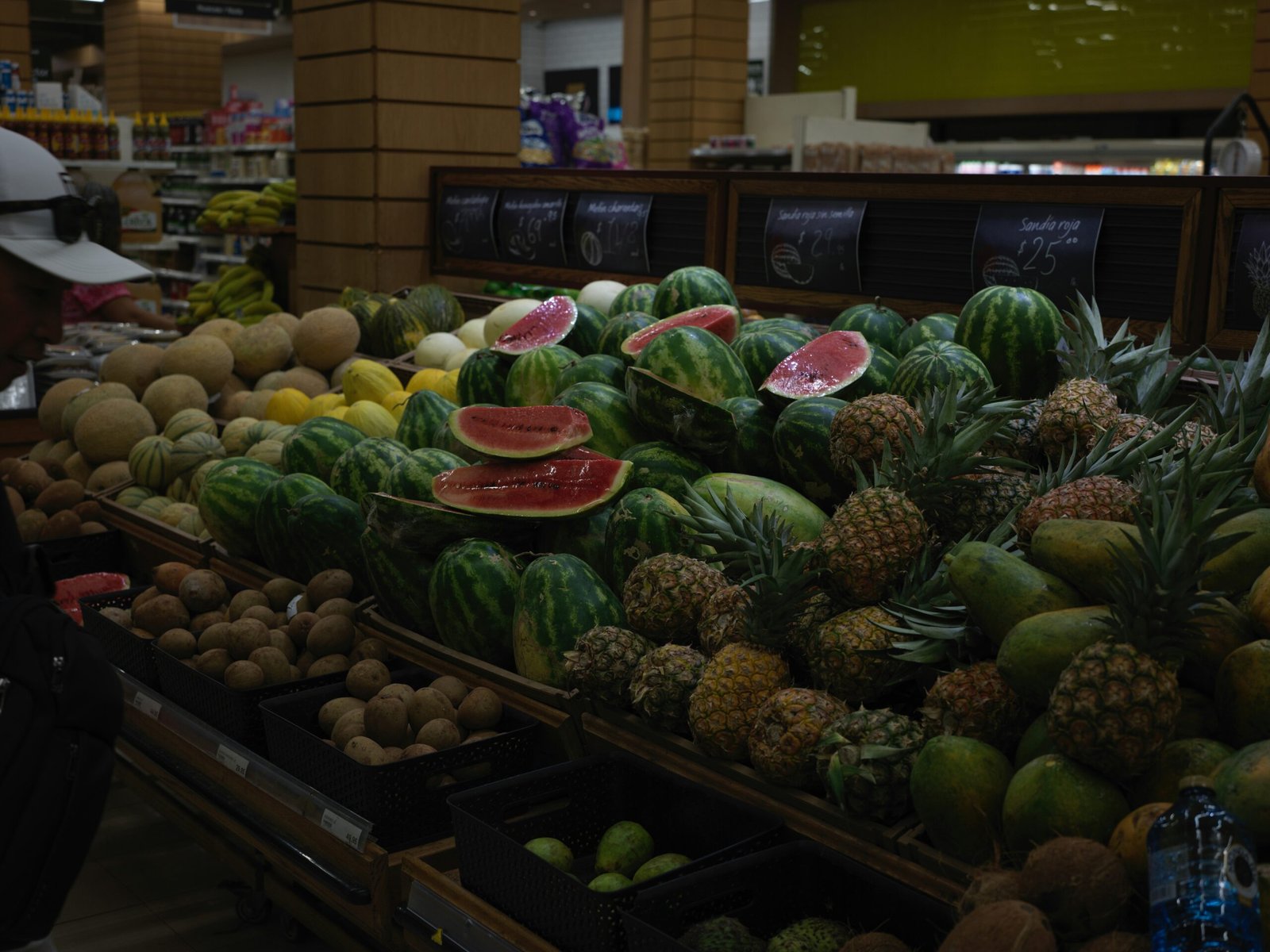
How to Budget Groceries Without Feeling Deprived

Groceries are one of the easiest budget categories to underestimate because small purchases add up throughout the week. A workable grocery budget should reduce waste and impulse spending without turning every meal into a restriction.
Start With What You Already Spend
Before choosing a target, look at the last four to eight weeks of grocery spending. Include supermarket trips and regular grocery-delivery orders. Separate true groceries from restaurants, takeout and household items when possible.
Build the Budget Around Meals You Actually Eat
Pick a short list of breakfasts, lunches and dinners you genuinely like. Repeating a few reliable meals makes shopping easier and reduces the number of ingredients that sit unused.
For example, you might choose three breakfasts, three lunches and five dinners for a week. Add flexible snacks and one small treat rather than pretending you will never buy anything fun.
Use a Four-Part Grocery List
- Proteins: choose the options that fit your diet and budget.
- Produce: prioritize foods you know you will use before they spoil.
- Staples: rice, pasta, oats, bread, spices or other regular basics.
- Extras: snacks, drinks and treats with a clear spending limit.
Cut Waste Before Cutting Quality
Throwing away unused food is often more expensive than buying a slightly better ingredient that you actually finish. Check your fridge and pantry before shopping, use older ingredients first and freeze suitable foods when you know you will not eat them soon.
Give Yourself a Flexible Amount
If your weekly grocery target is $100, you do not have to spend exactly $100. You might spend $82 one week and $113 the next because of a household staple. Track the monthly trend instead of treating every single trip as a pass-or-fail test.
This fits naturally into the broader system in How to Start Budgeting Without Feeling Overwhelmed.
Common Grocery Budget Mistakes
- Choosing a target without checking past spending.
- Shopping while hungry and adding convenience foods.
- Buying large quantities because the unit price looks cheaper.
- Making a detailed meal plan that is too unrealistic to follow.
- Forgetting that prices vary by location and season.
A Simple Weekly Routine
Spend 10 minutes checking your fridge, 10 minutes planning meals and 10 minutes writing the list. Shop once for the main trip, then allow a small buffer for fresh items that genuinely need replacing.
FAQs
What percentage of income should go to groceries?
There is no single percentage that works for every household. Income, household size, location and dietary needs all matter. Use your actual spending as the starting point.
How can I lower my grocery bill quickly?
Start with food waste, impulse purchases and duplicate ingredients. Those changes often require less sacrifice than completely changing what you eat.
For more budgeting basics, visit the Feed Flow Personal Finance Guide.
nn
Related Feed Flow Guides
For more practical ideas, read this related Feed Flow guide and this companion article.
Further reading: https://www.usda.gov/food-and-nutrition
nn
Set a Weekly Number
A monthly grocery target is easier to manage when you turn it into a weekly planning number. Leave a little flexibility for price changes and unexpected needs.
Build Meals Around Staples
Choose inexpensive staples you regularly use, then add fresh ingredients around them. Planning several meals from overlapping ingredients reduces waste and makes shopping faster.
Use a Three-Level List
Separate the list into must-buy items, useful extras and optional treats. If the total is too high, cut from the optional section first instead of making the entire week miserable.