





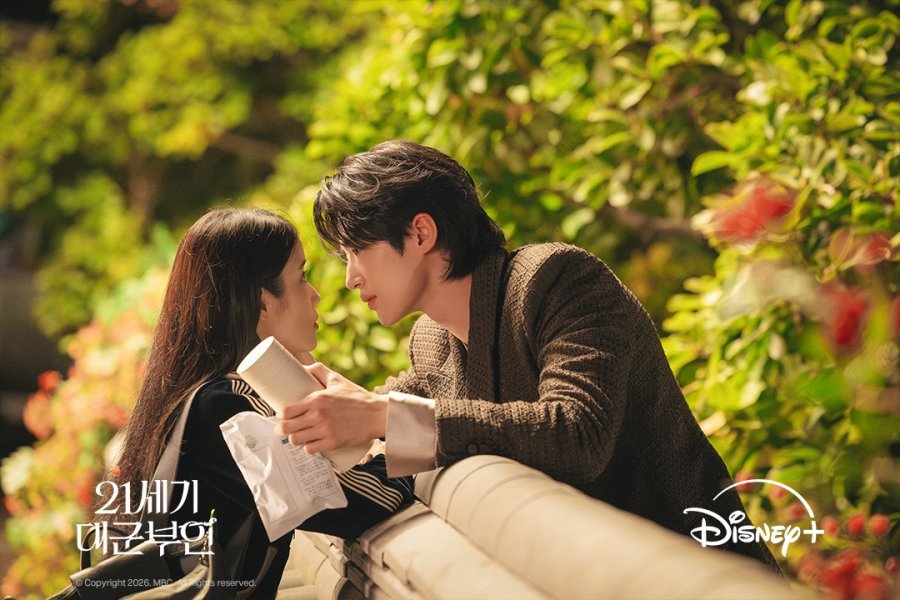
Perfect Crown Review: Is 21st Century Grand Queen Worth Watching?

Perfect Crown is a 2026 Korean romantic drama set in an imagined modern South Korea where the monarchy still exists. IU plays Seong Hui-ju, a successful chaebol heiress who lacks the social status she wants, while Byeon Woo-seok plays Grand Prince I-an, a royal figure whose title does not give him the freedom he might appear to have. Their contract marriage brings the two into a relationship shaped by status, ambition and public expectations.
This is a spoiler-light review focused on the premise and viewing experience rather than the ending.
What is Perfect Crown about?
The drama builds its romance around a contrast: Hui-ju has wealth and business influence but is treated as an outsider by the social order, while I-an has royal status but is constrained by the expectations attached to it. Their arrangement is practical at first, yet it creates opportunities for both characters to question the roles they have been assigned.
The fictional constitutional monarchy gives the series a heightened setting without removing familiar pressures around family, reputation and marriage. Royal protocol and corporate power sit alongside the personal question at the centre of the story: how much of a person’s identity is shaped by other people’s idea of their worth?
Cast and character appeal
IU’s Hui-ju is written as ambitious and capable, not simply as someone waiting to be rescued by a royal romance. Her desire for recognition drives the premise and gives her a clear reason to negotiate for a different future. Byeon Woo-seok’s I-an offers a contrasting kind of constraint: privilege gives him visibility, but it also limits how freely he can act.
The pairing is most interesting when the characters’ similar frustrations lead them to different choices. A contract-marriage setup can become predictable if misunderstandings do all the work; the stronger material comes from watching the leads negotiate trust, public image and private feelings while their own goals remain important.
Themes beyond the romance
- Status and belonging: money, family background and a title do not necessarily guarantee respect or autonomy.
- Public image: the leads have to consider how their choices will be interpreted by institutions and audiences around them.
- Ambition: the story asks what the characters are willing to trade for recognition and control over their lives.
- Marriage as a bargain: the initial arrangement creates a clear tension between practical motives and genuine attachment.
Who is likely to enjoy it?
Try Perfect Crown if you like polished romantic dramas, alternate-world settings, powerful families, royal protocol and leads who must negotiate social expectations. The premise also suits viewers who enjoy a relationship that begins as an agreement and changes as the characters learn more about each other.
It may be less appealing if you prefer strict historical realism, a story with little romance, or a plot that avoids familiar contract-marriage conventions. The fictional monarchy is part of the drama’s design, so it is better approached as an alternate present than as a realistic account of contemporary Korean politics.
Is Perfect Crown worth watching?
Its central hook is the clash between wealth and inherited status, with a romance that gives the leads a reason to challenge the rules around them. Whether it works for you will depend on the chemistry, pacing and how much you enjoy the genre’s conventions. If the premise appeals, give the opening episodes a try and judge how well the relationship and wider power dynamics develop.
Release and streaming information
Perfect Crown is a 2026 series. Streaming availability differs by country, so check an official regional listing for current access and episode details. The Disney+ title page provides an official synopsis where available. For another fantasy-leaning Korean series, see our review of The King: Eternal Monarch.