






#1 Napoleon Bonaparte: Architect of Destiny


Napoleon Bonaparte: An Overview
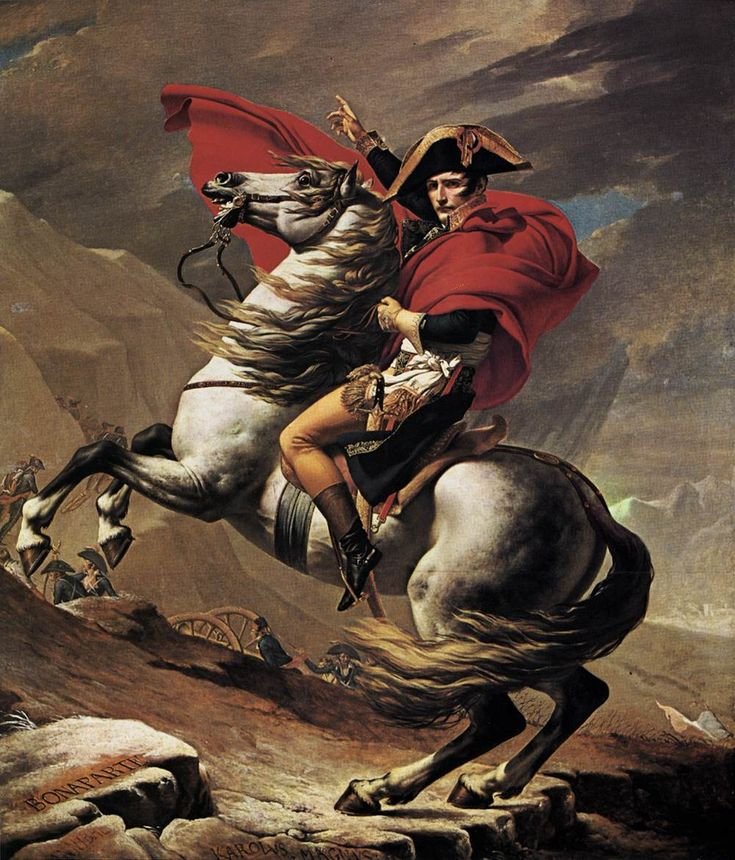
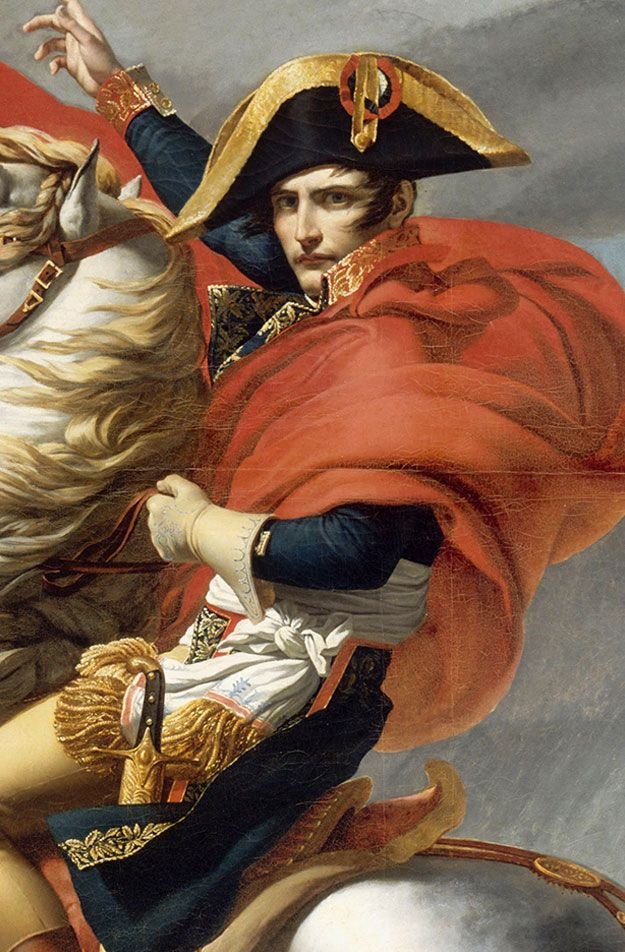
Napoleon Bonaparte (1769–1821) rose from a military officer born in Corsica to become First Consul and later Emperor of the French. His career reshaped France and much of Europe during a period of revolutionary upheaval and prolonged war.
Early Life and Rise to Power
Born in Ajaccio, Corsica, Napoleon received military education in mainland France and entered the French army. His reputation grew during the French Revolutionary Wars, particularly through campaigns in Italy. Political instability later helped him gain influence, culminating in the coup of 18 Brumaire in 1799 and his appointment as First Consul.
Military Campaigns
Napoleon developed a reputation for rapid movement, concentration of forces and aggressive battlefield maneuver. Victories at Austerlitz and Jena helped establish French dominance across much of continental Europe. The Peninsular War and the disastrous 1812 invasion of Russia, however, exposed the limits of French power.
Reforms and the Napoleonic Code
Napoleon’s legacy was not limited to warfare. His government centralized administration and supported reforms in education, finance and law. The Civil Code of 1804, commonly called the Napoleonic Code, influenced legal systems well beyond France, although the Napoleonic state also restricted political freedoms and maintained authoritarian rule.
Downfall
Continued warfare created increasingly difficult military and political conditions. The failed Russian campaign, the Sixth Coalition’s advance and Napoleon’s defeat at Leipzig contributed to his first abdication in 1814. He returned during the Hundred Days before losing at Waterloo in 1815 and spending his final years in exile on Saint Helena.
Historical Legacy
Historians continue to debate Napoleon’s place in European history. His administrative and legal reforms had long-term influence, while his wars caused enormous casualties and political disruption. Studying both aspects gives a fuller picture than treating him solely as either military hero or tyrant.
Conclusion
Napoleon remains one of the most consequential figures of modern European history. His rise, reforms, wars and eventual downfall illustrate how military power, political institutions and personal ambition can reshape a continent.