




How to Create a Cozy Bedroom Without Making It Look Cluttered

A cozy bedroom does not need more stuff. In a small room, adding pillows, blankets, baskets, wall art, plants, and decorative objects can quickly create the opposite effect: the room feels busy instead of relaxing.
The trick is to create warmth through texture, lighting, proportion, and repetition while keeping the floor and major surfaces visually quiet.
Start with one visual direction
Choose a simple base before buying anything. For example:
- Warm neutral + cream
- Soft pink + white
- Beige + wood
- Gray + muted blue
- White + black accents
This does not mean every object must match. It simply gives you a filter for deciding what belongs in the room.
Feed Flow’s 21 Small Bedroom Ideas is useful if you want more layout inspiration before changing the decor.
Use the bed as the main cozy element
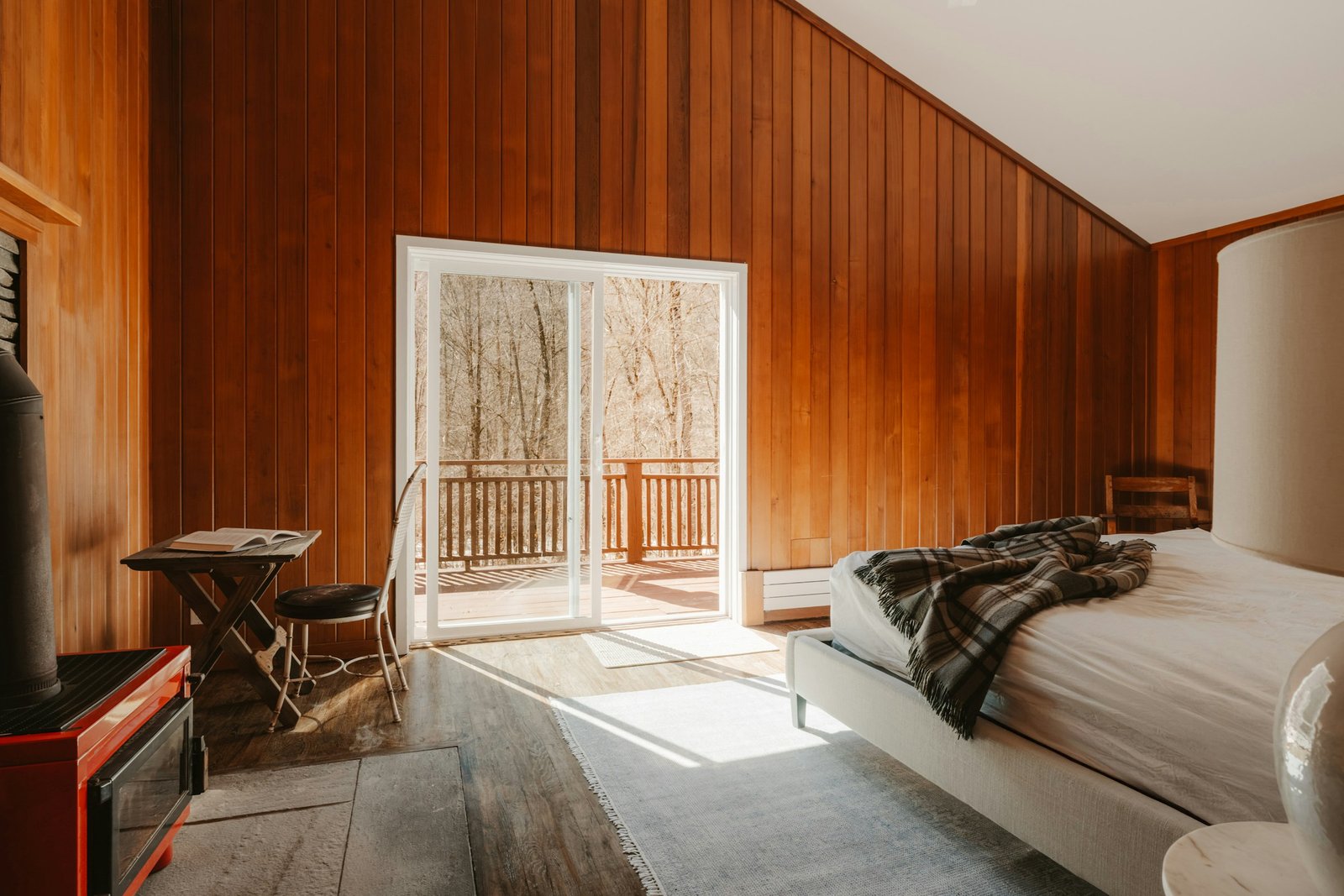
The bed is usually the largest visual object in a bedroom, so it can create most of the cozy feeling without covering the rest of the room in decorations.
Try:
- A duvet with visible texture
- One folded throw
- Two sleeping pillows plus one or two decorative pillows
- A simple headboard or upholstered element if the room allows it
You do not need ten pillows. A controlled arrangement looks more intentional and leaves space for actual sleeping.
Layer lighting instead of adding decor
One bright ceiling light can make a bedroom feel functional but not especially relaxing.
Use two or three light sources where possible:
- General room lighting
- Bedside or desk lamp
- Optional low-level accent lighting
Choose warm light for areas where you want a calmer evening atmosphere. Keep study lighting bright enough for reading and working.
The important part is that the lighting serves a purpose. Decorative lights should not become another pile of cables and objects.
Keep the floor mostly clear
An open floor makes a bedroom feel easier to move through. Avoid using the floor as permanent storage.
If shoes, bags, laundry, and boxes collect there, the room will look cluttered even if the furniture itself is attractive.
Give each recurring item a home:
- Shoes in one location
- Laundry in one hamper
- Bags on hooks or a dedicated shelf
- Cables in a small organizer
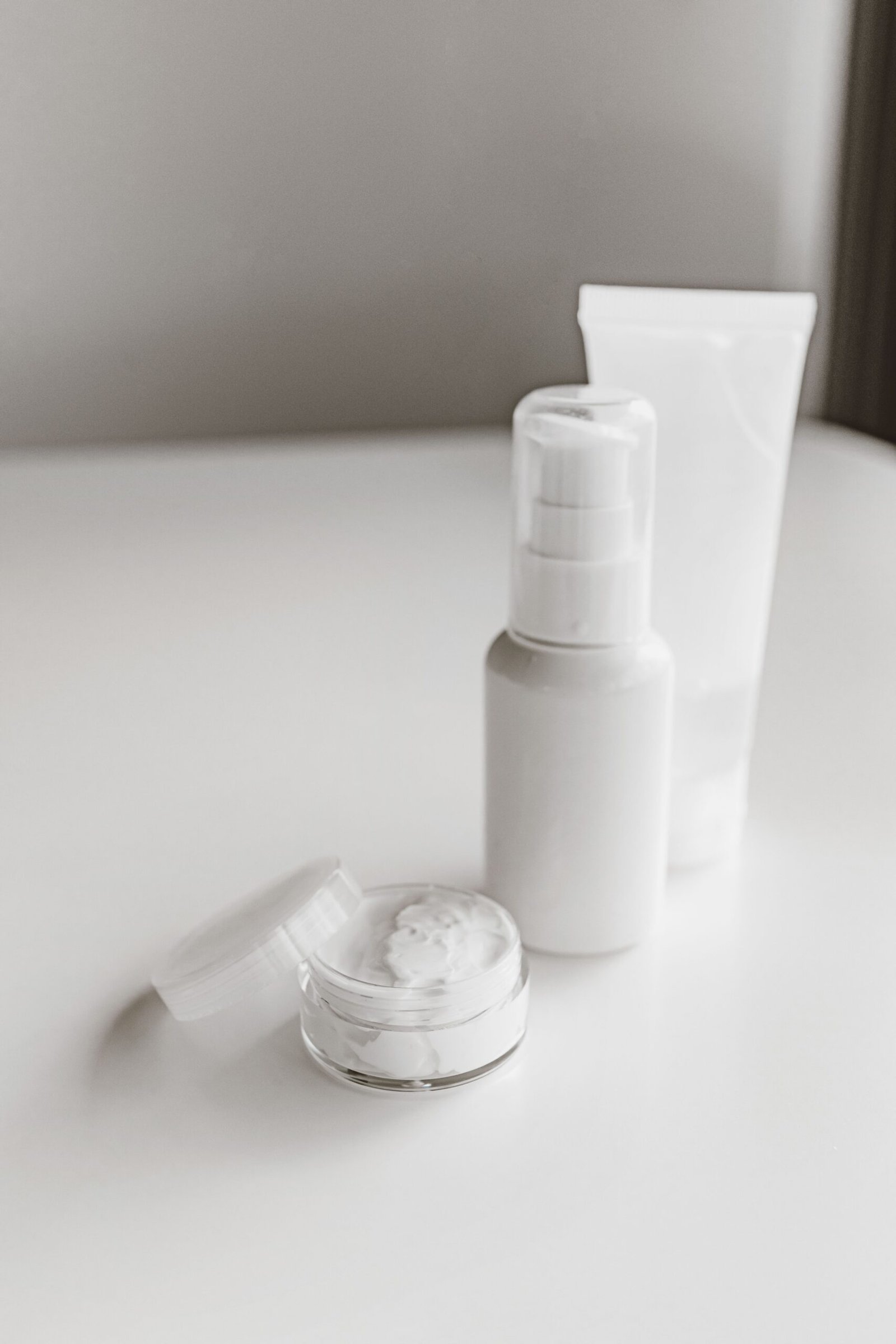
- Daily skincare together
This is one reason storage decisions matter more than decorative purchases in a small room.
Choose fewer, larger decorative pieces
Ten tiny objects can create more visual noise than one larger piece.
Instead of covering every shelf, choose one or two items that anchor the area. A framed print, large mirror, simple vase, or single plant can have more impact than a collection of small objects.
This also makes cleaning easier.
Use vertical space carefully
Walls can provide storage and decoration without taking floor space, but do not cover every available surface.
A simple arrangement might include:
- One large artwork above the bed
- A narrow shelf
- Hooks near the entry area
- A mirror opposite or near a useful light source
If you rent, check your lease or building rules before drilling into walls. Use approved removable solutions where appropriate.
Hide functional clutter
Cozy rooms still need practical things. Chargers, tissues, medications, books, hair tools, and water bottles do not have to disappear completely, but they should have a defined place.
Use closed or visually simple storage for items that create noise.
Open shelves work better for a small number of attractive objects than for every item you own.
Repeat materials instead of colors everywhere
A room can feel coordinated without matching every color.
Try repeating one material two or three times: wood, woven fabric, metal, or glass. Repetition creates visual consistency without making the room look like a furniture showroom.
For example, a wood bedside table can work with a wood frame and a small wood tray.
Leave some empty space
Empty space is part of the design.
Do not fill every corner because it feels unfinished. A clear bedside surface, open wall section, or uncluttered dresser can make the decorative areas look more deliberate.
If you have too many things, Feed Flow’s Small-Space Home Guide is a useful starting point for storage and layout decisions.
A five-minute nightly reset
The easiest way to keep a cozy room cozy is to reset it every night.
Put clothes in the hamper or closet, return cups and dishes, put shoes away, clear the desk, and straighten the bed.
You do not need a one-hour cleaning routine. Five minutes can prevent small messes from becoming a weekend project.
The cozy-but-not-cluttered test
Stand in the doorway and look at the room for a few seconds.
Ask:
- Is the bed clearly the focal point?
- Can I see most of the floor?
- Are the main surfaces usable?
- Do the colors and materials repeat naturally?
- Is there enough light for the room’s activities?
- Are decorative items helping the room or simply filling space?
If the answer to the last question is “filling space,” remove a few items before buying anything new.
A cozy bedroom is usually created by better choices, not more choices.
Related Feed Flow Guides
For more practical ideas, read this related Feed Flow guide and this companion article.
Further reading: https://www.architecturaldigest.com/story/how-to-make-a-bedroom-cozy