



How to Choose an Engagement Ring Setting: Prong, Bezel, Halo and More

How to Choose an Engagement Ring Setting: Prong, Bezel, Halo and More
The setting is the part of an engagement ring that holds the center stone and determines much of the ring’s practical behavior. It affects how exposed the diamond is, how much metal surrounds it, how the ring sits on the finger, and how the design works with a wedding band.
GIA’s current guide to engagement ring settings separates setting types, such as prong and bezel, from setting styles, such as solitaire and halo. That distinction makes ring shopping easier because you can evaluate the stone’s security separately from the overall look.
Feed Flow’s diamond shape guide is the natural next step if you have chosen a setting but still need to compare round, oval, pear, emerald, marquise or other shapes.
What an Engagement Ring Setting Does
A good setting has a basic job: keep the stone secure while allowing the ring to be worn comfortably. The design also controls how much of the stone is visible and how light reaches it.
Think about the setting in four ways: security, height, appearance and maintenance. Two rings can have the same diamond but feel completely different because the mounting changes those four factors.
Prong Settings
Prongs use small metal supports to hold the diamond. Four- and six-prong arrangements are common, and the number and shape of the prongs can change the visual character of the ring.
Prongs leave more of the stone exposed than a full bezel, which can create an open, classic appearance. The trade-off is that exposed areas and prongs need to be checked periodically, especially on a ring worn every day.
GIA notes that properly shaped and positioned prongs should minimize snagging while securely holding the gemstone. Ask the jeweler how the prongs are finished rather than judging the design from a product photo alone.
Bezel Settings
A bezel uses a rim of metal around the gemstone. It gives the center stone more physical protection and creates a clean outline around the diamond.
Bezel settings can be especially practical for people who use their hands heavily or regularly work around clothing, equipment or activities where a raised stone could catch. They can also change the apparent size and outline of the stone.
GIA’s guidance notes that a bezel can protect the girdle from bumps and can be a useful choice for an active lifestyle. It also points out that the amount of metal can affect the visual brightness of a poorly cut diamond, so the stone still needs to be evaluated on its own merits.
Halo Settings
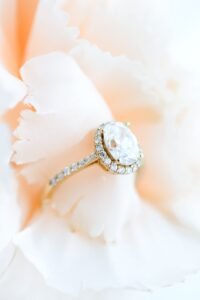
A halo places smaller stones around the center diamond. It is a style rather than one specific method of securing the center stone, so a halo can use prongs, a bezel or another mounting approach.
The surrounding diamonds can make the center stone look larger and add more sparkle. The extra detail also creates more surfaces where dirt can collect and more small stones that may need maintenance.
Cathedral and Raised Settings
Cathedral designs use raised shoulders that rise toward the center stone. They create a traditional profile and can provide room beneath the center stone for a wedding band or other design elements.
Height is the important question. A high-set ring can show more of the diamond and create a dramatic profile, but it may also be more exposed to knocks. A lower profile can feel more practical for everyday wear.
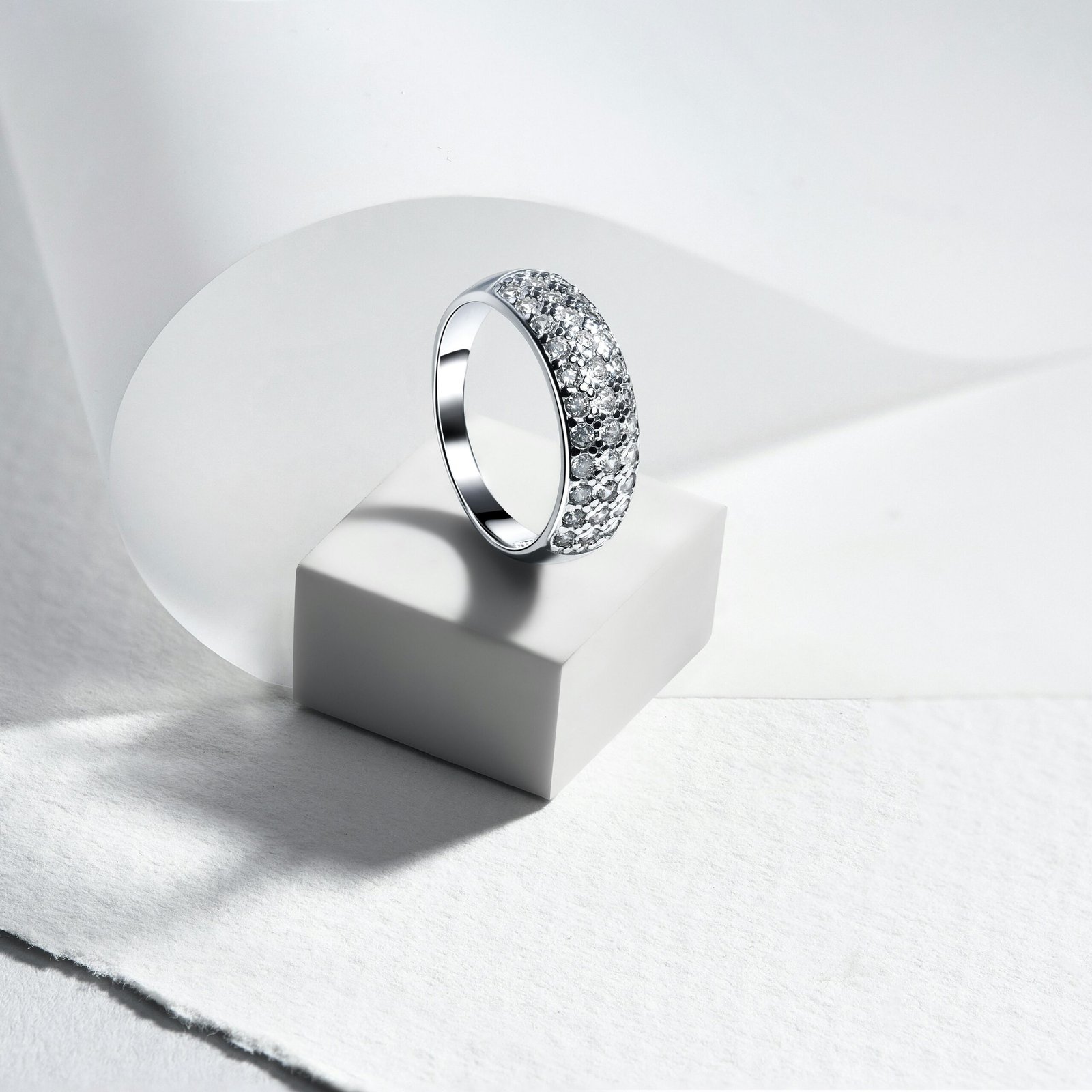
Pavé and Channel Details
Pavé uses many small stones set closely along a surface, often the band or halo. Channel settings hold stones between metal walls. Both can add continuous sparkle without changing the center diamond.
These details increase visual complexity and can affect future maintenance or resizing. GIA notes that pavé bands may require occasional maintenance and can be more difficult to resize because adjustments may disturb small stones.
Match the Setting to Your Lifestyle
- Very active hands: consider a lower profile or protective bezel and ask about practical stone protection.
- Traditional look: compare a solitaire with four- or six-prong options.
- Maximum center-stone presence: compare open prong designs and raised settings.
- More visual size: consider a halo or other design that frames the center stone.
- Minimal maintenance: simpler designs usually give you fewer small stones and crevices to inspect.
There is no setting that is automatically right for everyone. Your work, hobbies, hand use and willingness to maintain the ring matter.
Match the Setting to the Diamond Shape
Shape and setting should be considered together. Pointed shapes such as pear and marquise need particular attention at their tips. Emerald cuts show broad step facets, so a setting should frame the stone without hiding the visual feature that attracted you to it.
If you are comparing an oval, pear or marquise, look at the actual stone in the intended setting. A shape can look different once metal surrounds its outline.
Questions to Ask Before Buying
- How high will the center stone sit?
- How are the vulnerable corners or points protected?
- How often should the setting be inspected?
- Can the ring be resized later without disturbing small stones?
- How will the setting work with the wedding band?
- What care and cleaning method does the jeweler recommend?
For a high-value purchase, also ask for the diamond’s grading report where applicable and confirm the metal purity, return policy, warranty and aftercare terms.
Prong vs. Bezel: The Practical Difference
If you are deciding between the two, start with exposure. Prongs leave more of the diamond visible and can give a classic open look. A bezel surrounds the stone with metal and gives the center more protection.
Neither automatically produces a better ring. The right choice depends on the stone, the wearer’s routine and the look you want. A well-made prong setting can be secure, while a poorly executed setting can create problems regardless of its name.
Low-Profile vs. High-Profile Rings
Ask how far the center stone rises above the finger. A high setting can create a dramatic silhouette and leave room for certain wedding-band arrangements. A lower setting can feel more contained and practical.
Think about sleeves, gloves, sports, work with your hands and whether you regularly catch jewelry on clothing. A ring that constantly snags will become frustrating even if you love its appearance.
Think About the Wedding Band Before You Buy
Some engagement rings leave a straight path for a wedding band. Others have a raised center, cathedral shoulders, halo or other construction that can create a gap.
If you already know what kind of wedding band you want, bring that preference into the engagement-ring decision. Feed Flow’s jewelry guide covers the broader buying process, while the diamond-shape guide helps you compare the center stone itself.
Maintenance Should Be Part of the Decision
Small stones, fine pavé, exposed prongs and intricate details can require more inspection than a simple mounting. Ask the jeweler what should be checked during routine service and whether the setting can be resized or repaired later.
GIA’s current setting guide also notes that pavé designs may need occasional maintenance and can be harder to resize because adjustments can disturb small stones. That is worth knowing before choosing a detailed band.
A Simple Decision Process
- Choose the diamond shape.
- Decide how much protection you want around the stone.
- Compare low and high profiles.
- Check how the engagement ring sits with the wedding band.
- Ask about maintenance and resizing.
- Compare the actual finished ring, not just the setting name.
Feed Flow’s Take
Choose the setting after thinking about how the ring will actually be worn. A beautiful mounting should protect the stone, fit the wearer’s routine and work with the diamond shape rather than simply look good in a product photo.
GIA’s engagement ring buying guide is a useful reference when you are ready to compare the setting with the rest of the purchase.