



How Tall Should a Nightstand Be Compared to Your Bed?

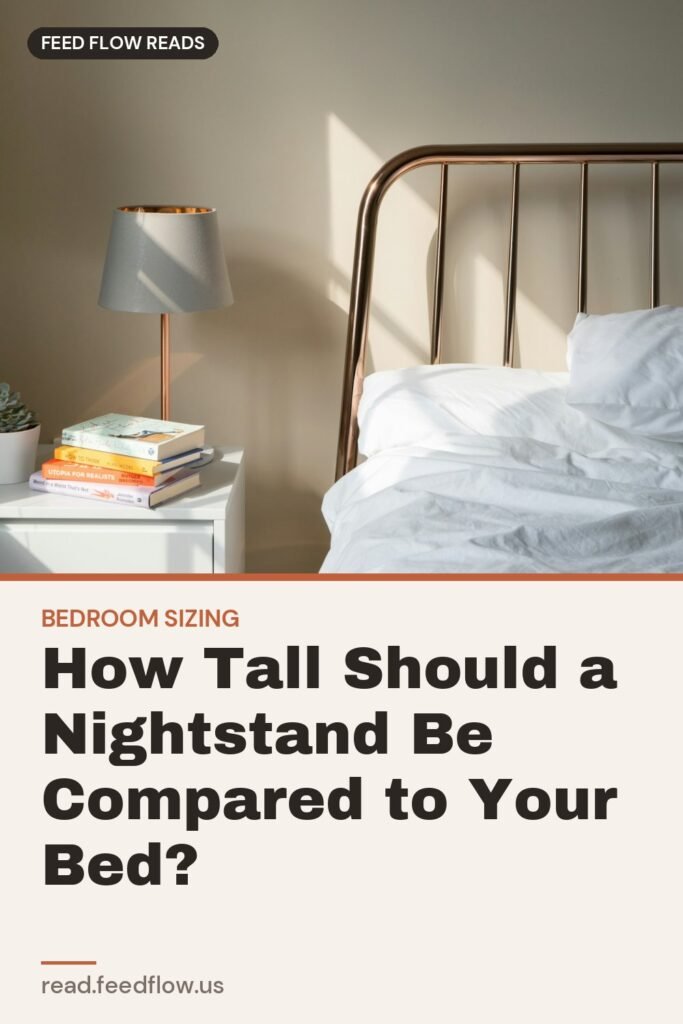
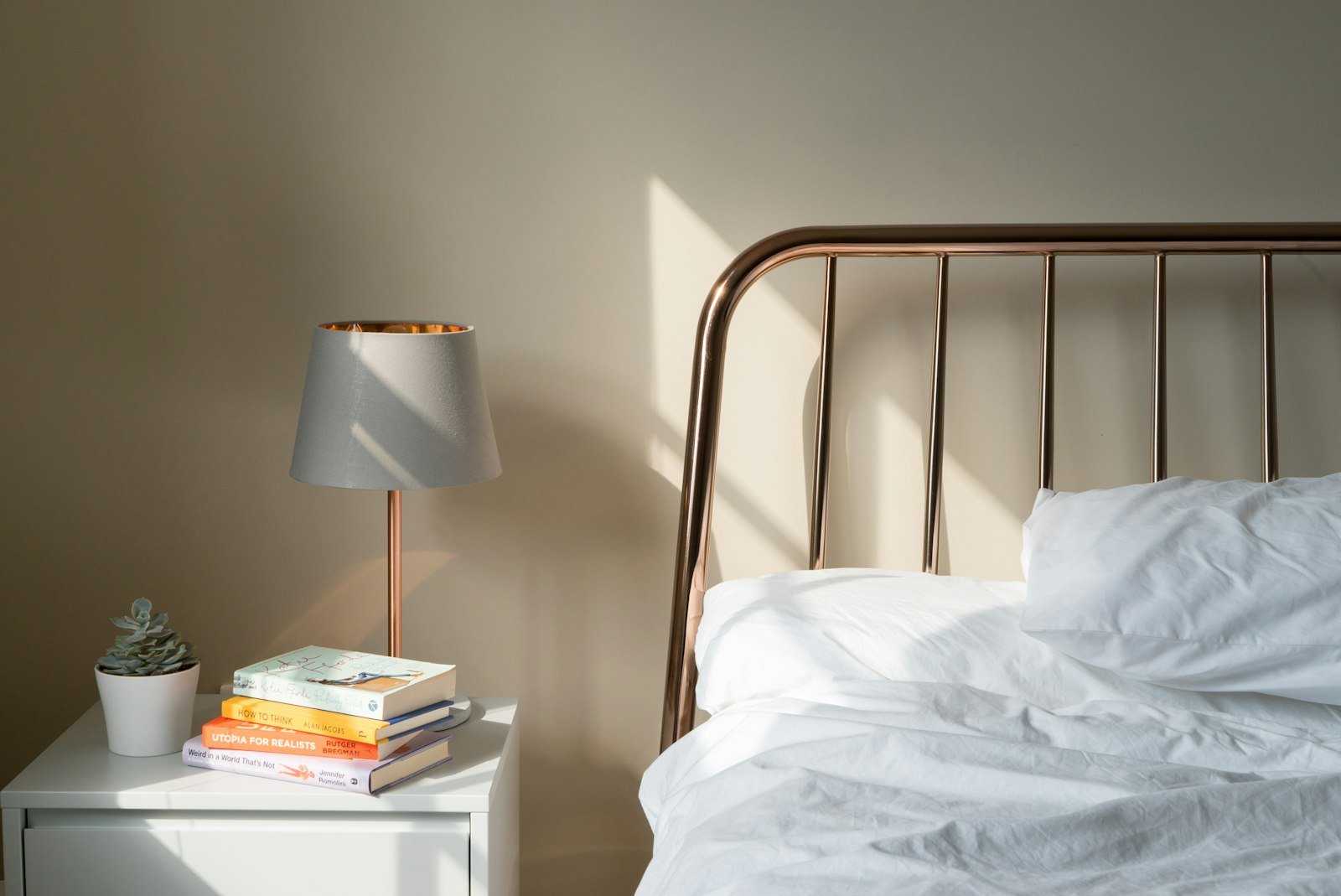
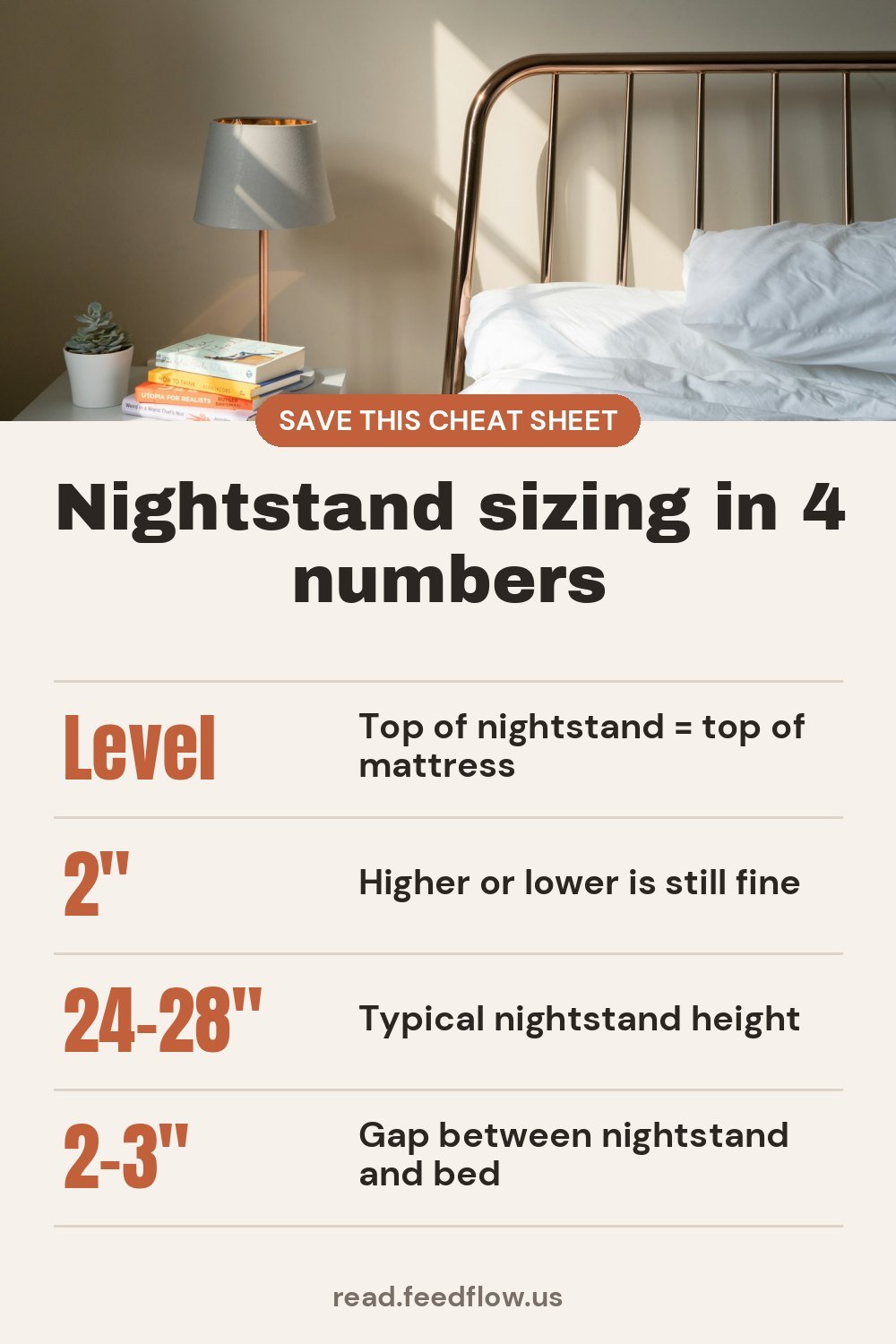
A nightstand should be roughly level with the top of your mattress, or within about 2 inches above or below it. That keeps your phone, glass of water and lamp switch within easy reach and makes the bed and nightstands look like they belong together.
Most nightstands sold in the US are 24 to 28 inches tall, which matches a typical bed. Low platform beds and tall beds with thick mattresses are where people get it wrong.
The Nightstand Height Rule
- Ideal: nightstand top level with the mattress top.
- Acceptable: up to about 2 inches higher or lower.
- Stretching it: 3 to 6 inches off. It still works, but you will notice the reach and the look.
A slightly taller nightstand is usually easier to live with than a much shorter one, because reaching down while lying in bed is awkward.
How to Measure
- Make the bed with your usual mattress topper and pad.
- Measure from the floor to the top of the mattress, not the frame.
- Use that number as your target nightstand height, then allow about 2 inches either way.
If you are buying a new mattress, check its thickness first. Swapping a 10-inch mattress for a 14-inch pillow top raises the bed by 4 inches and can make your old nightstands feel short.
Height Chart by Bed Type
| Bed setup | Typical mattress-top height | Nightstand height to look for |
|---|---|---|
| Floor bed or very low platform | 8 to 16 in | Low tables or stools, 10 to 18 in |
| Platform bed, 10 to 12 in mattress | 18 to 24 in | 20 to 26 in |
| Standard frame with foundation | 24 to 28 in | 24 to 30 in |
| Tall bed with box spring and thick mattress | 28 to 35 in | 28 to 36 in |
Width, Depth and Spacing
- Width: about 15 to 20 inches for small rooms and twin or full beds, 20 to 28 inches for queen and king beds.
- Depth: roughly 14 to 20 inches. Deeper than the mattress edge can make it hard to get out of bed.
- Gap from the bed: about 2 to 3 inches, so you can tuck in the bedding without the nightstand feeling far away.
- Walkway: leave enough space to walk past the nightstand to the bed. Feed Flow’s walkway guide covers the numbers.
Nightstands do not have to match each other, but keeping them at a similar height helps the room feel balanced.
Fixes When the Height Is Wrong
- Too short: add furniture risers, set a tray or stack of books on top, or swap in a taller chest or side table.
- Too tall: lower the lamp to a sconce, use the nightstand for storage and keep a small shelf for your phone at mattress level.
- No room for a nightstand: use a floating wall shelf mounted at mattress height, or a narrow C-shaped table that slides over the bed edge.
FAQ
Should a nightstand be taller than the bed?
Slightly taller is fine, up to about 2 to 4 inches. Much taller makes it feel like a wall next to your pillow.
What is the standard nightstand height?
Most range from 24 to 28 inches, which matches a typical mattress-top height of about 25 inches.
Do nightstands need to match the bed?
No. Mixing styles is common. Similar height and visual weight on both sides matter more than matching finishes.
Feed Flow’s Take
Measure to the top of the mattress, then shop for nightstands within about 2 inches of that number. It is the single measurement that makes a bedside table comfortable to use and right for the bed.