



Goodbye Earth: Best K-drama Series Review 2024

Goodbye Earth: Best K-drama Series Review 2024
Introduction
As an ardent fan of Korean dramas, diving into the intriguing world of “Goodbye Earth” was nothing short of a captivating journey. From its compelling storyline to the exceptional performances by the cast, this drama managed to keep me hooked and left a lasting impression.
Plot and Characters

“Goodbye Earth” follows the life with the complexities of human relationships, intertwined with elements of love, betrayal, and redemption, are skillfully woven into the narrative. Each character is meticulously developed, adding layers of depth and authenticity to the story. As a viewer, I found myself emotionally invested in their struggles and triumphs, making the viewing experience all the more immersive.
Themes and Message
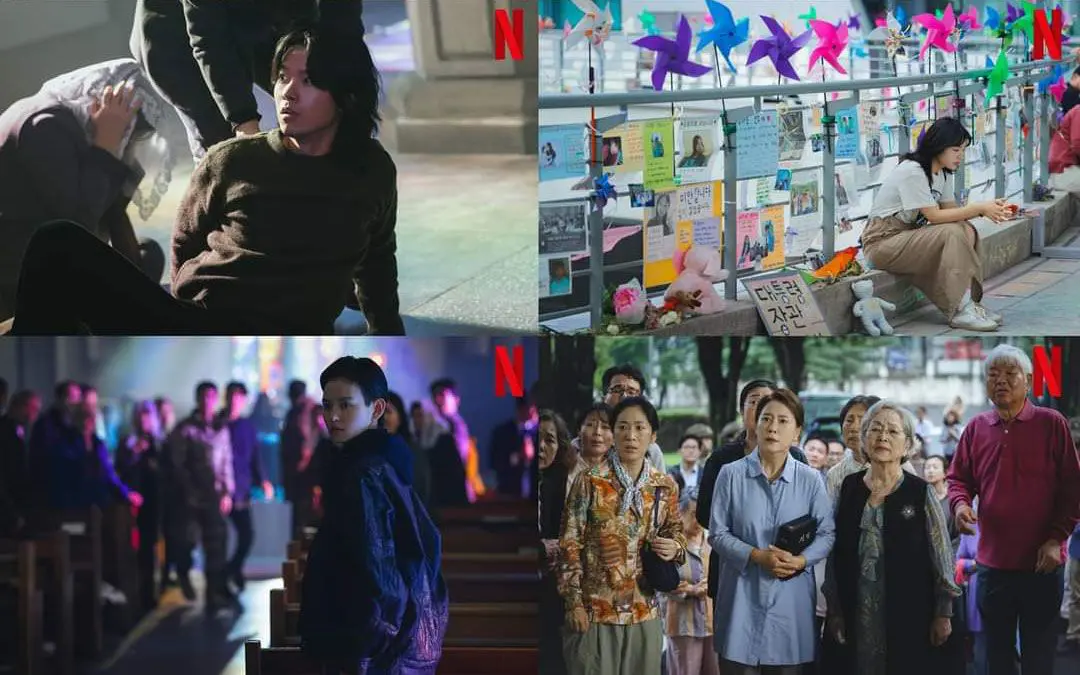
What sets “Goodbye Earth” apart is its exploration of profound themes that resonate on a deeper level. The drama delves into themes which shedding light on the intricacies of human nature and the consequences of our choices. Through its thought-provoking narrative, the drama urges viewers to reflect on their own lives and relationships, evoking a sense of introspection and empathy.
Direction and Cinematography

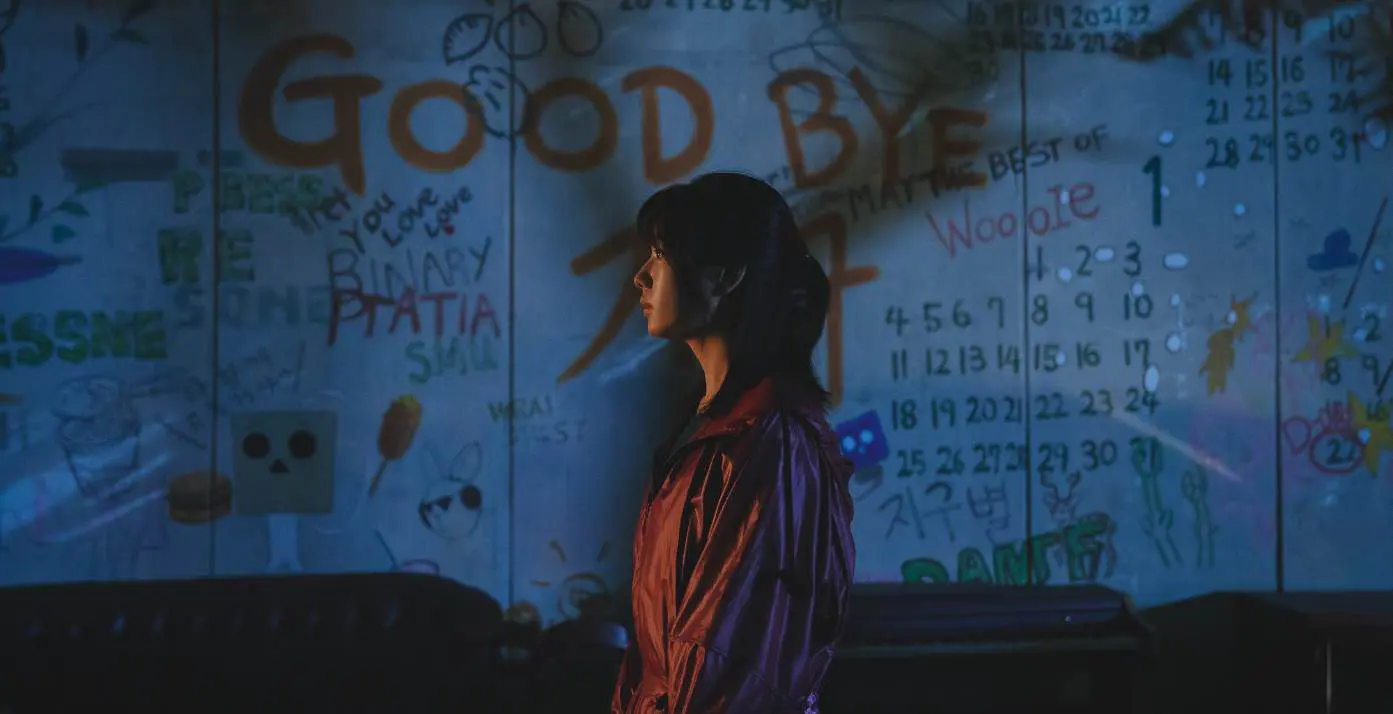
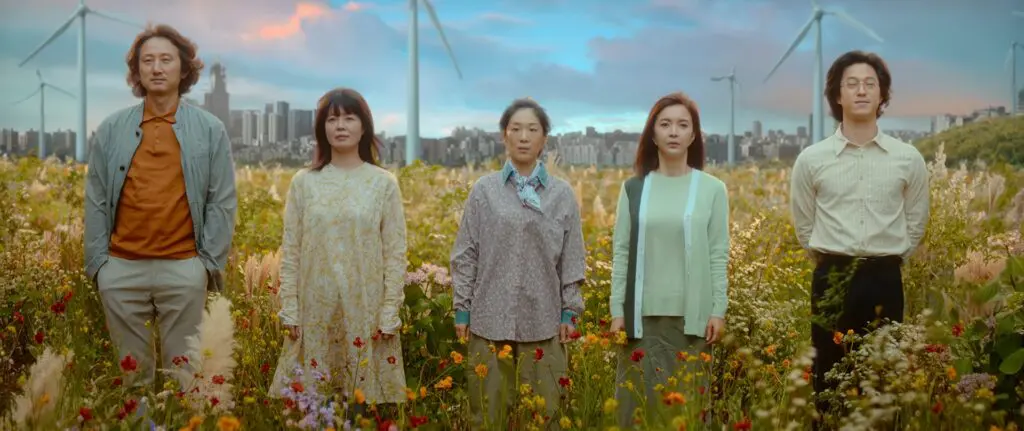
The visual aesthetics and cinematography of “Goodbye Earth” deserve special mention. The scenic beauty captured in each frame enhances the emotional impact of the narrative. The director’s keen eye for detail and distinct visual style elevate the drama, creating a visually stunning masterpiece that is a treat for the senses.
Acting Performances
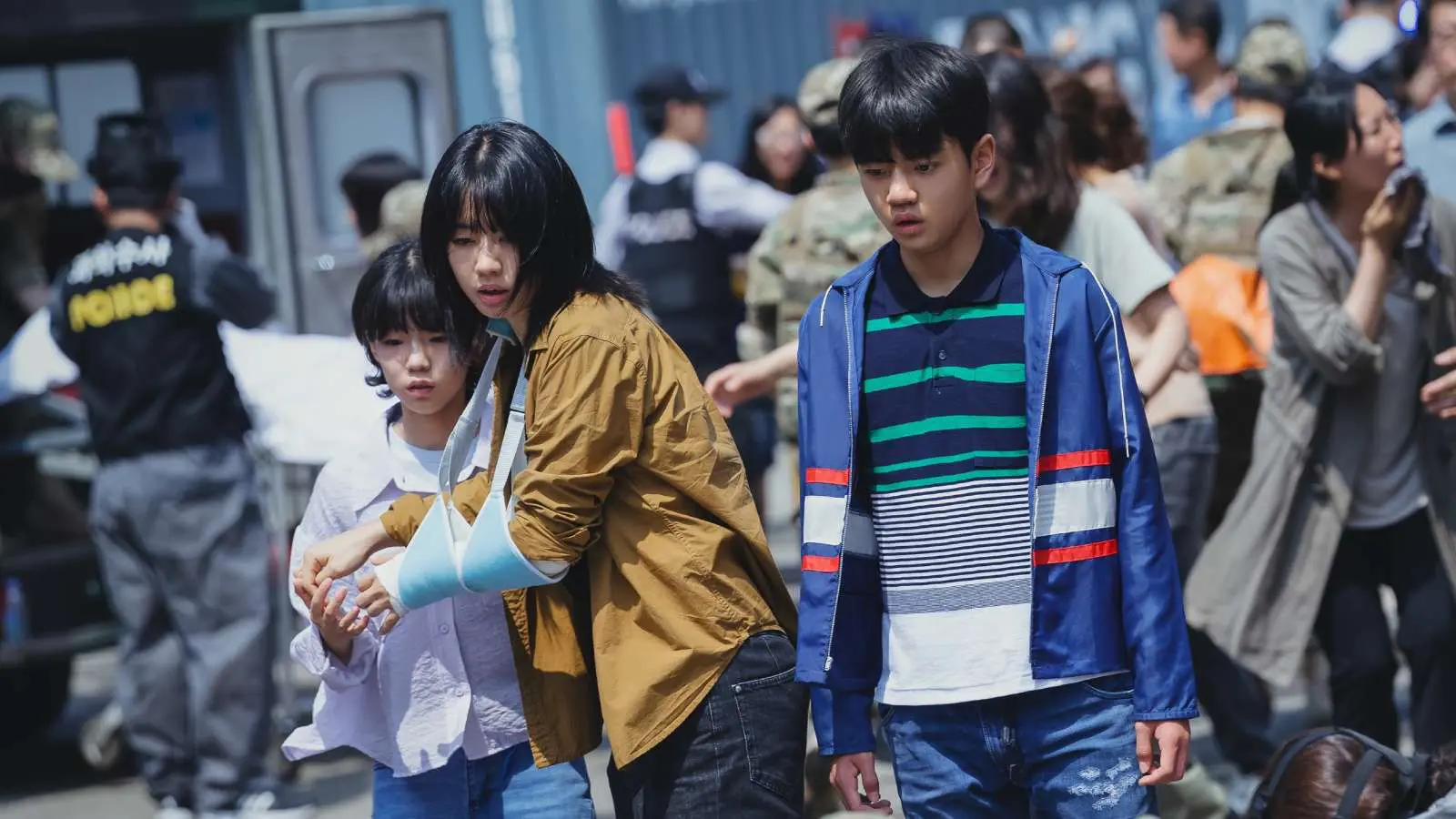
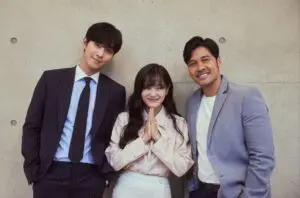
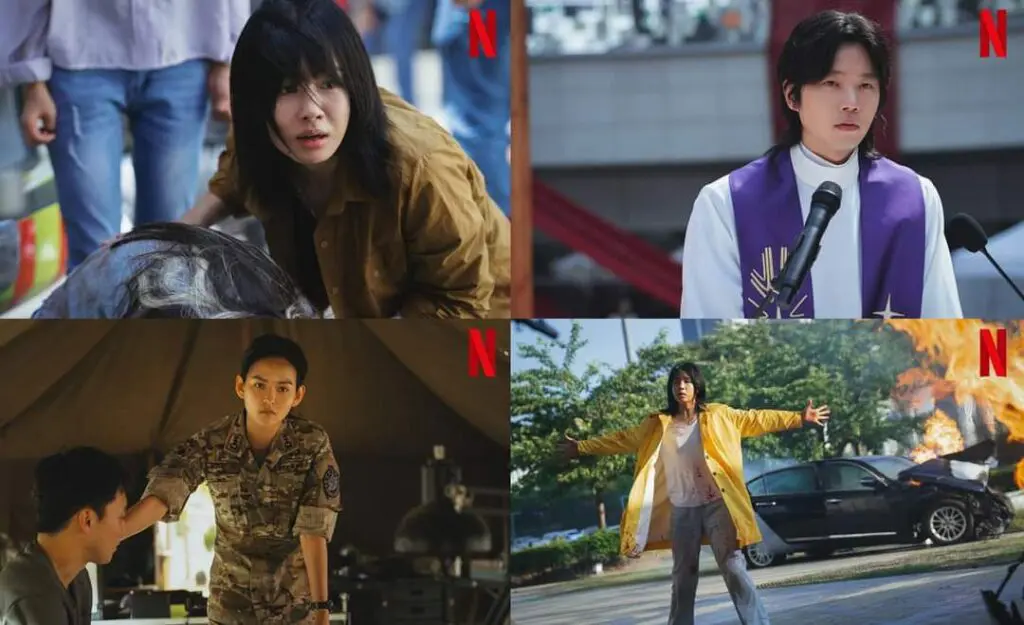
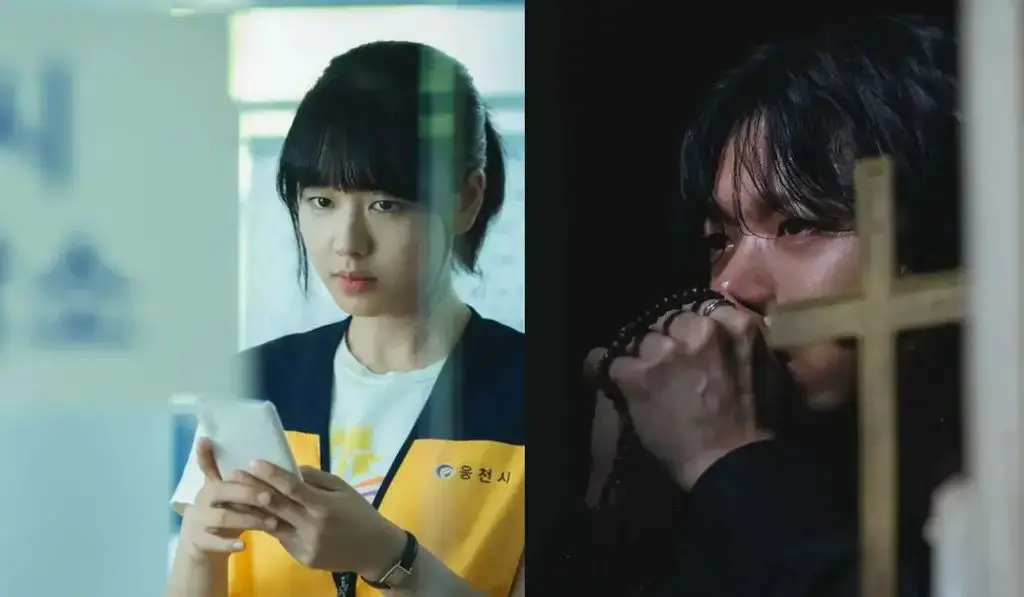
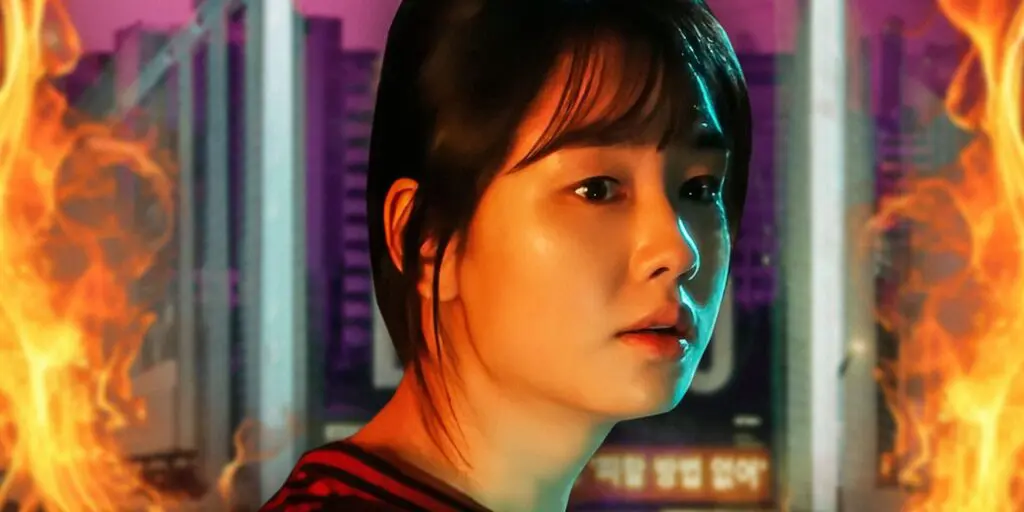
The cast of “Goodbye Earth” delivers stellar performances that breathe life into their respective characters. From the nuanced emotions portrayed by the leads to the compelling portrayal of supporting roles, every actor shines in their performance. Special acknowledgement goes to Yoo Ah-in, Ahn Eun-jin, Jeon Sung Woo and Kim Yoon Hye, who left a lasting impression with their impeccable acting skills.
Goodbye Earth | Official Trailer | Netflix
Watch this video on YouTube: https://www.youtube.com/watch?v=NC0DNl82Cgg
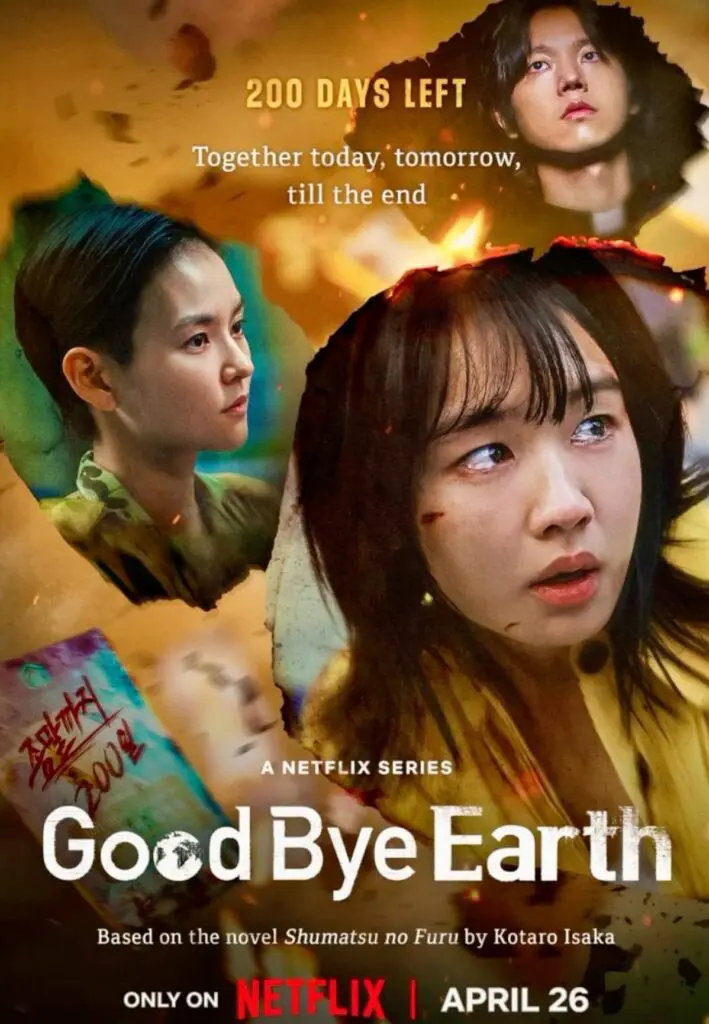
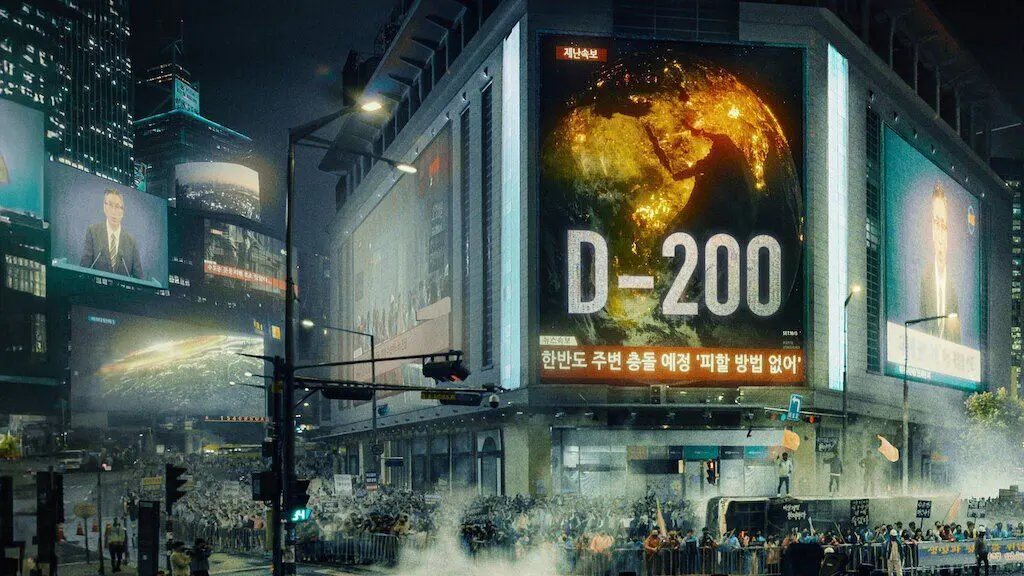
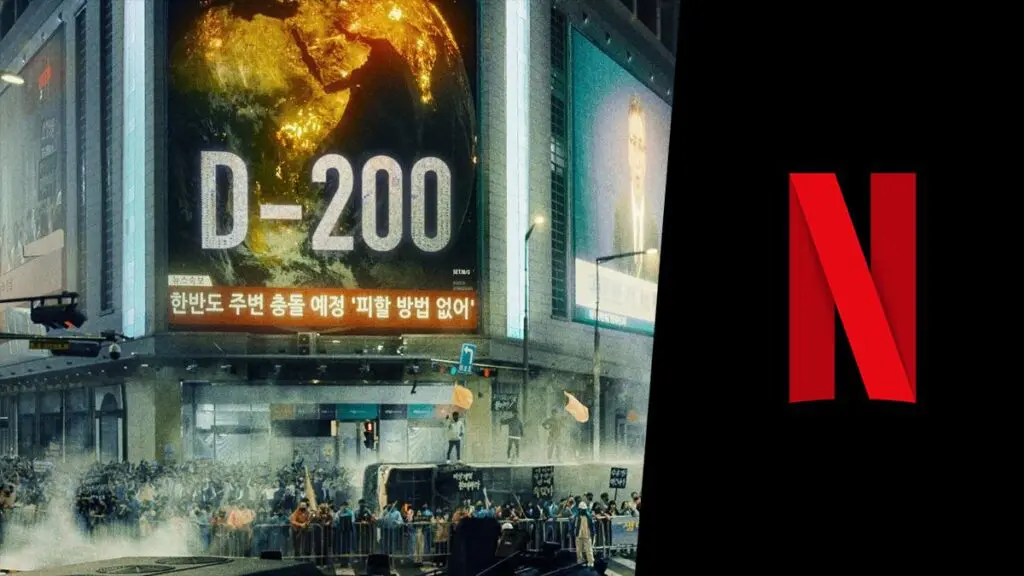
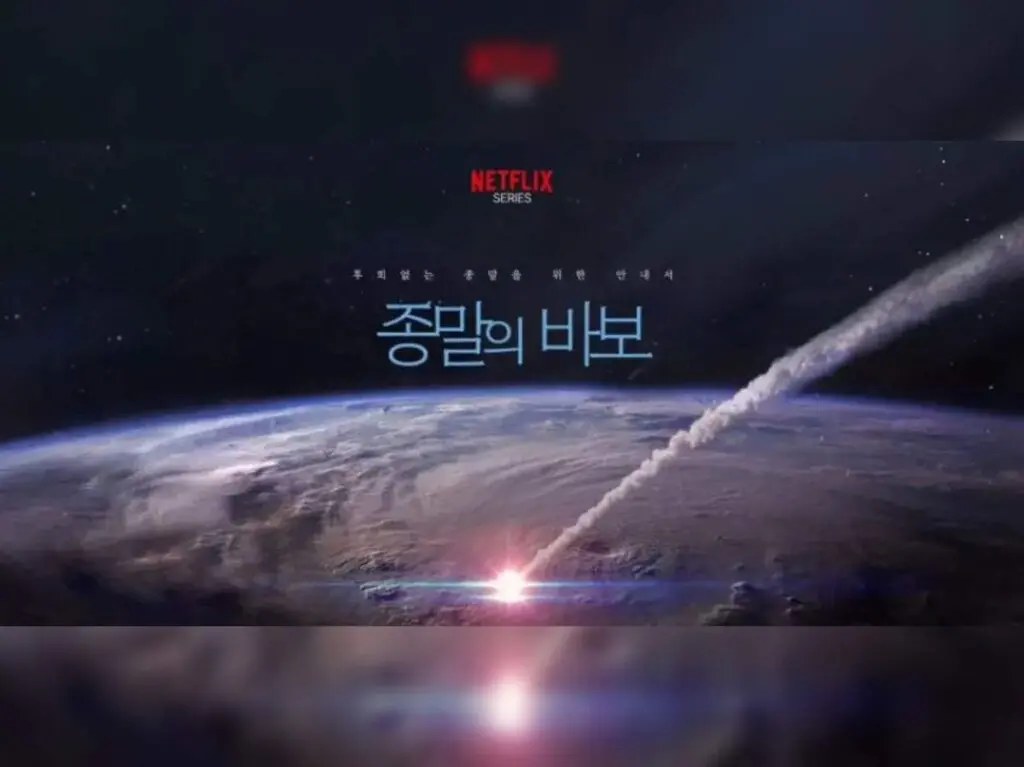
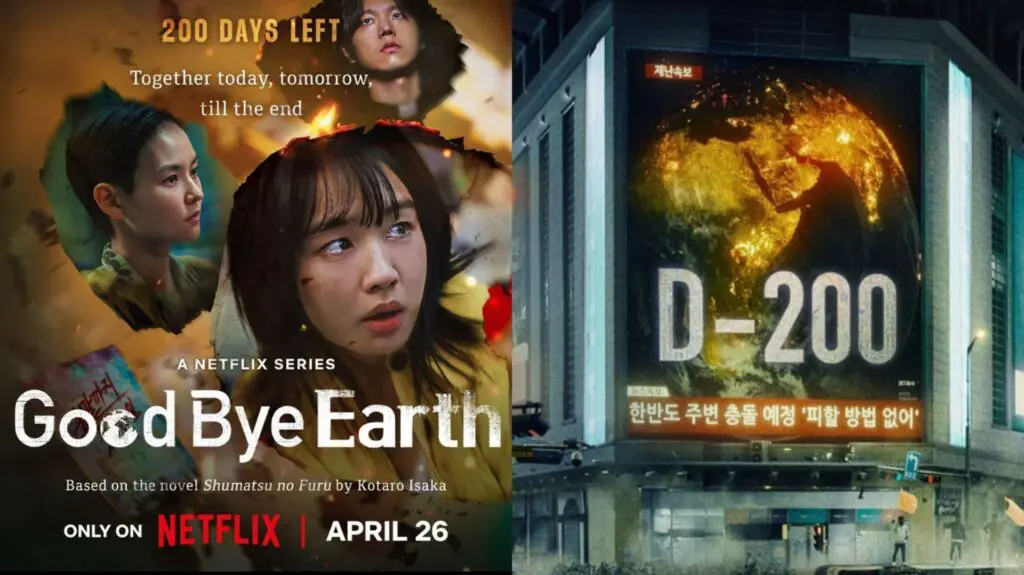
The world is in utter chaos with only 200 days left until an asteroid collides with Earth, but some remain determined to make the most of each remaining day and their humanity to the very end in this Netflix series.
Impact and Conclusion
As the credits rolled on the final episode of “Goodbye Earth,” I was left with a profound sense of satisfaction and contemplation. The drama had succeeded not only in entertaining me but also in leaving a lasting impact on my perspective. It’s a rare gem that manages to strike a perfect balance between entertainment and provocation, making it a memorable viewing experience that will stay with me for a long time.
In conclusion, “Goodbye Earth” is more than just a Korean drama; it’s a heartfelt journey that delves deep into the complexities of the human experience. With its engaging storyline, exceptional performances, and poignant themes, this drama is a must-watch for any fan of the genre. I highly recommend immersing yourself in the world of “Goodbye Earth” and allowing yourself to be swept away by its emotional resonance and compelling storytelling.
Gallery
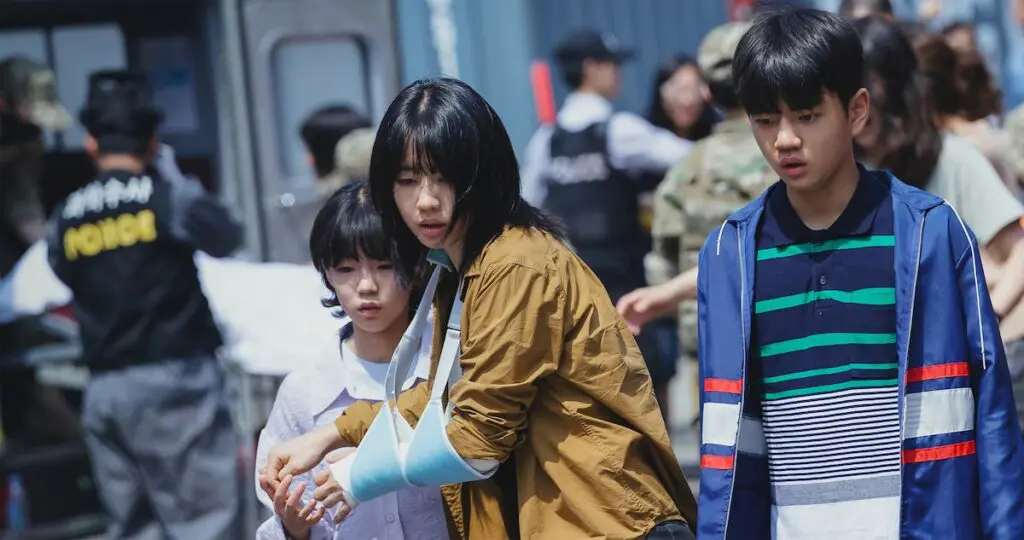
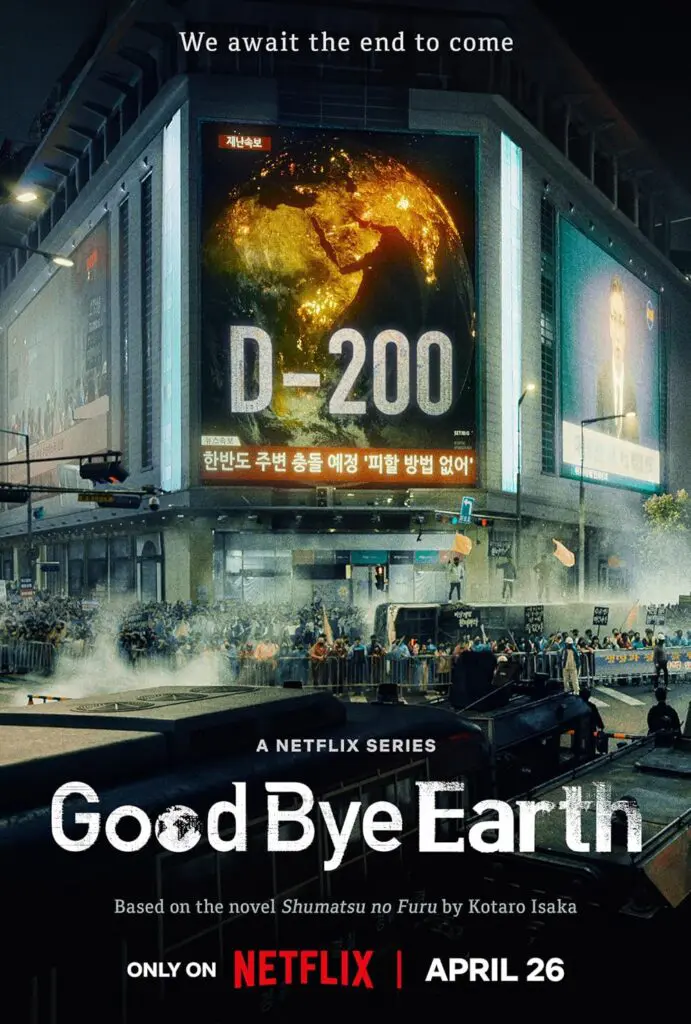
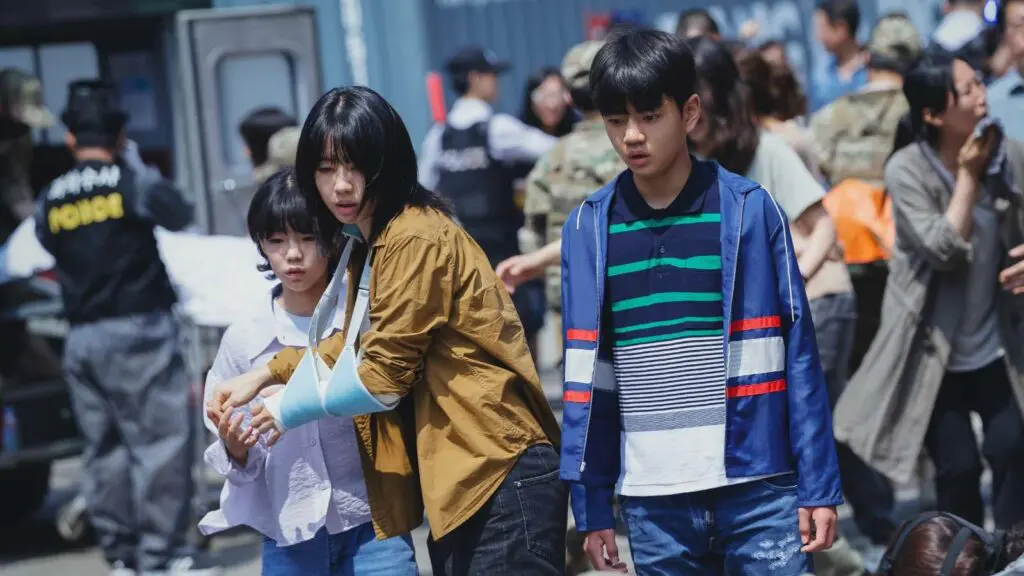
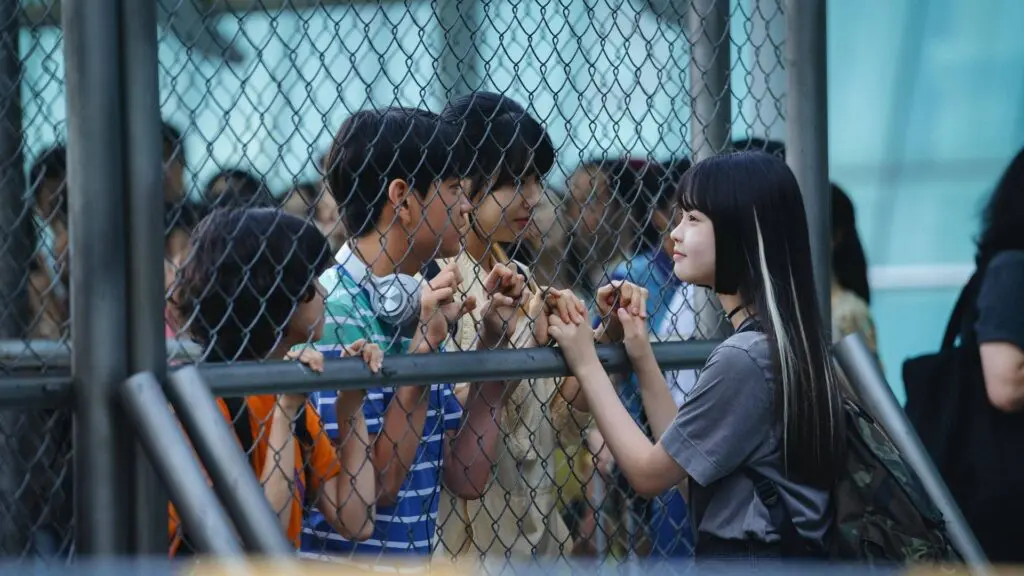
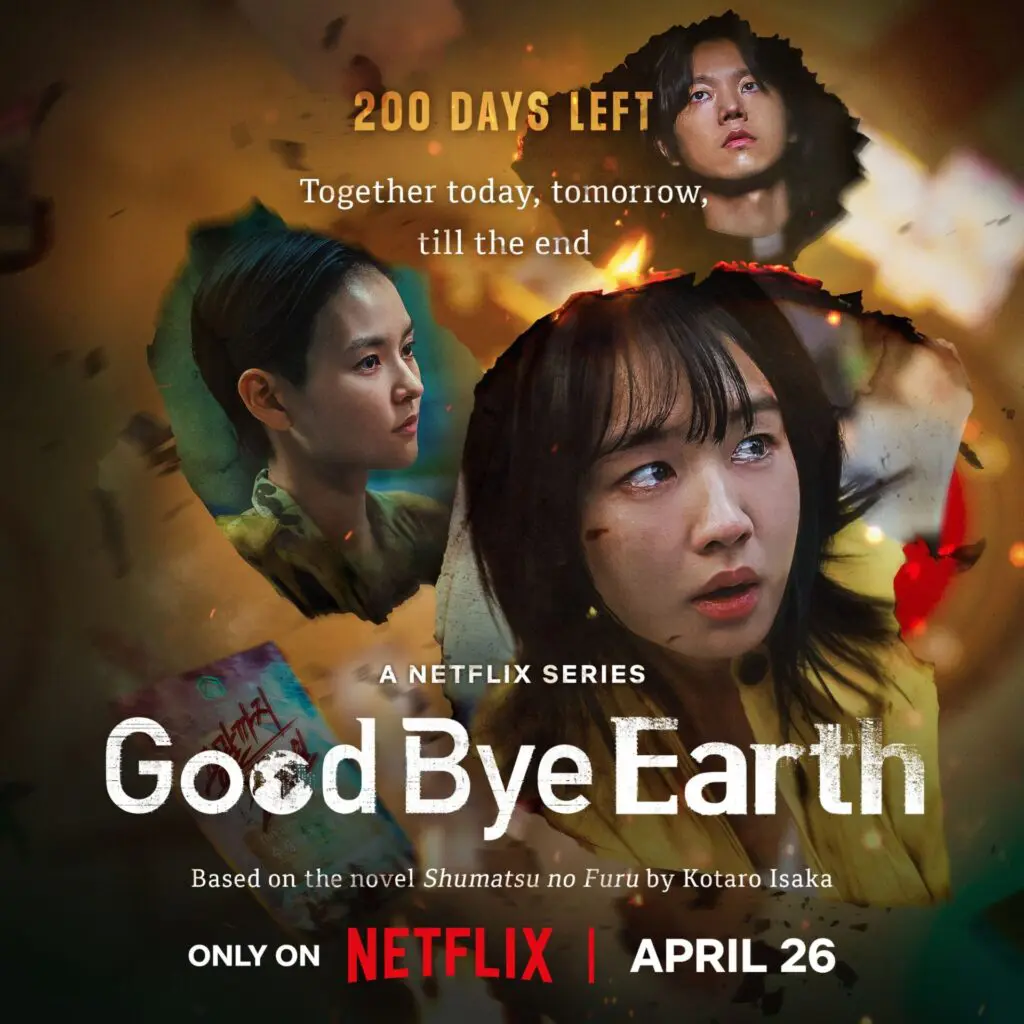
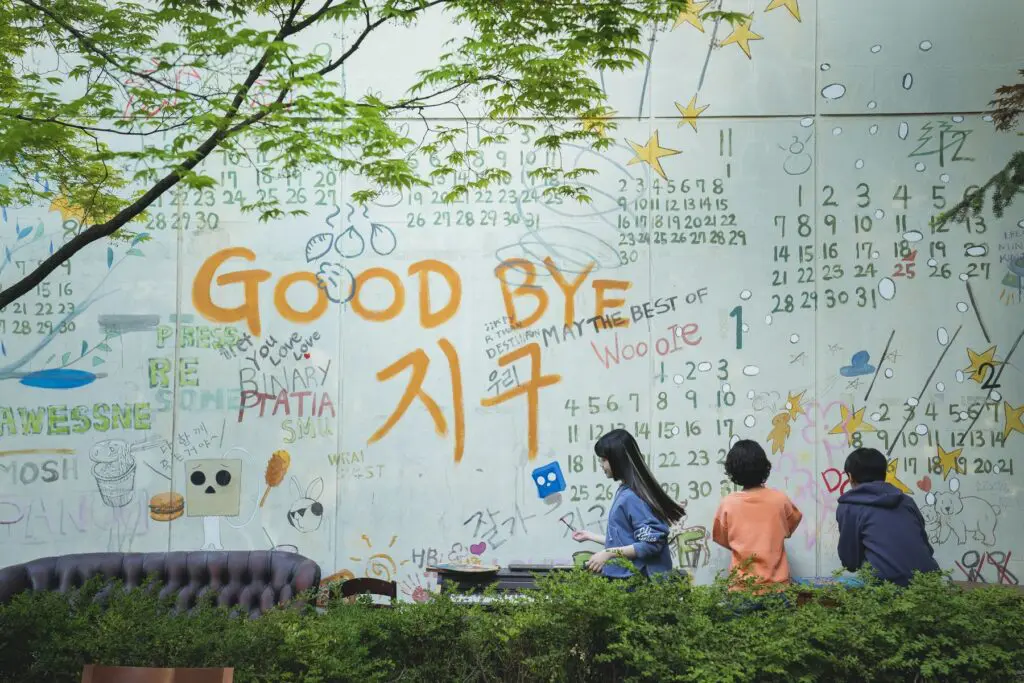
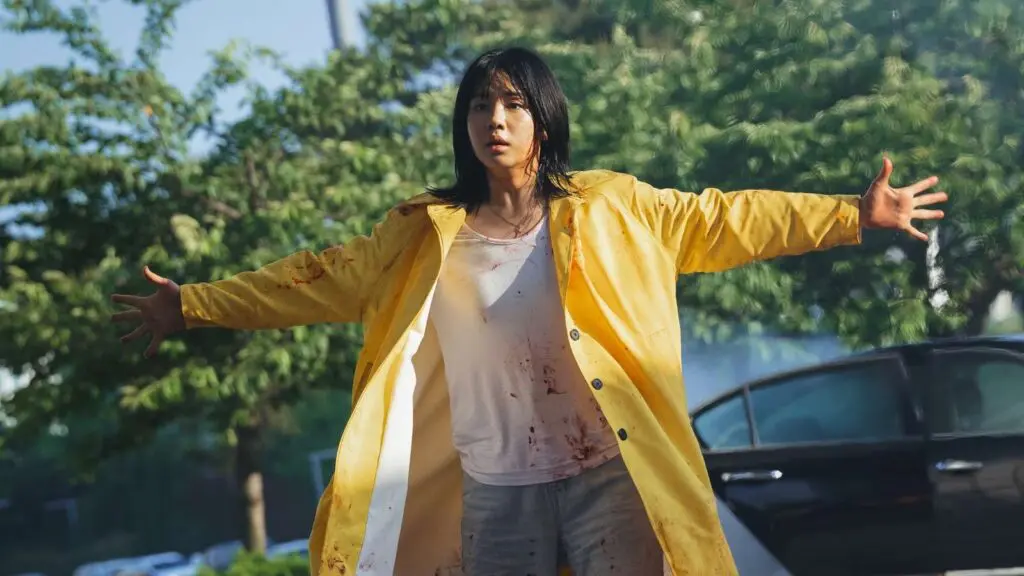



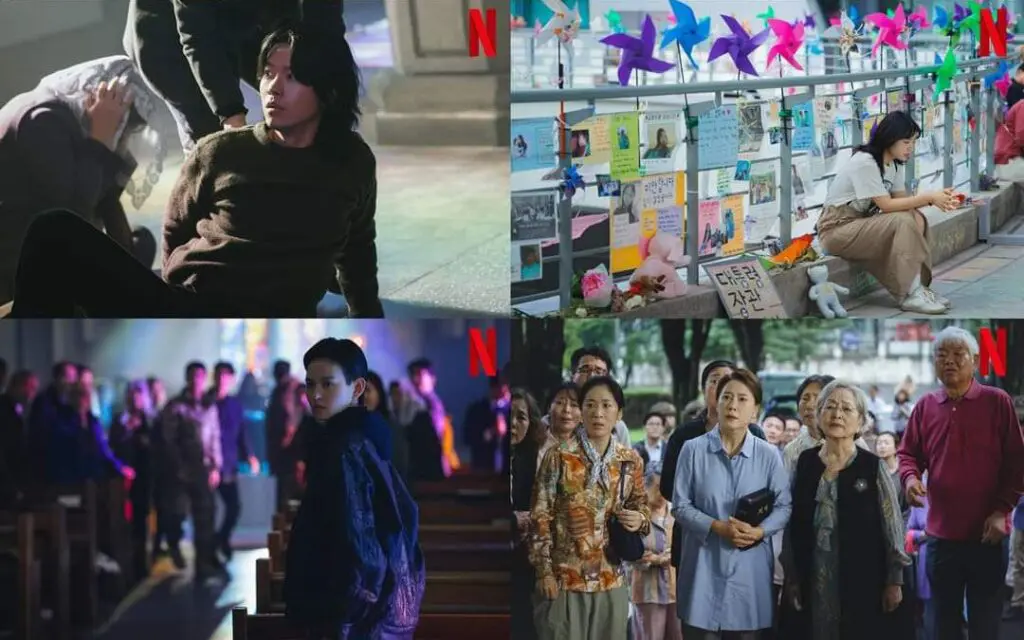

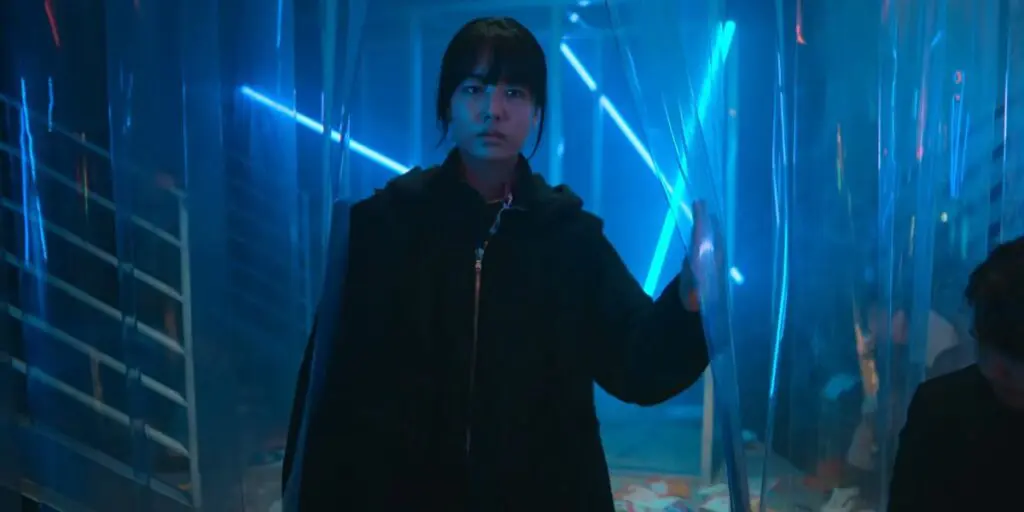

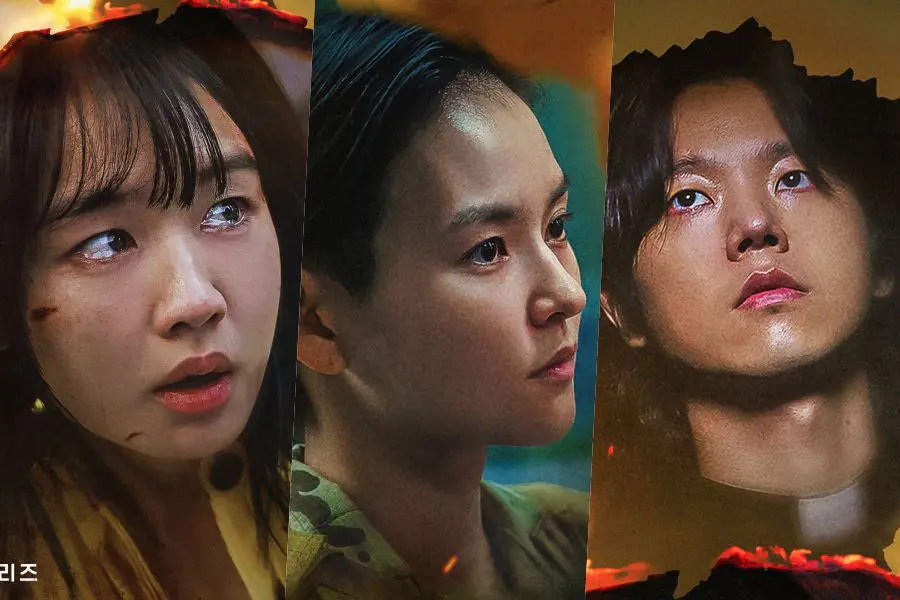
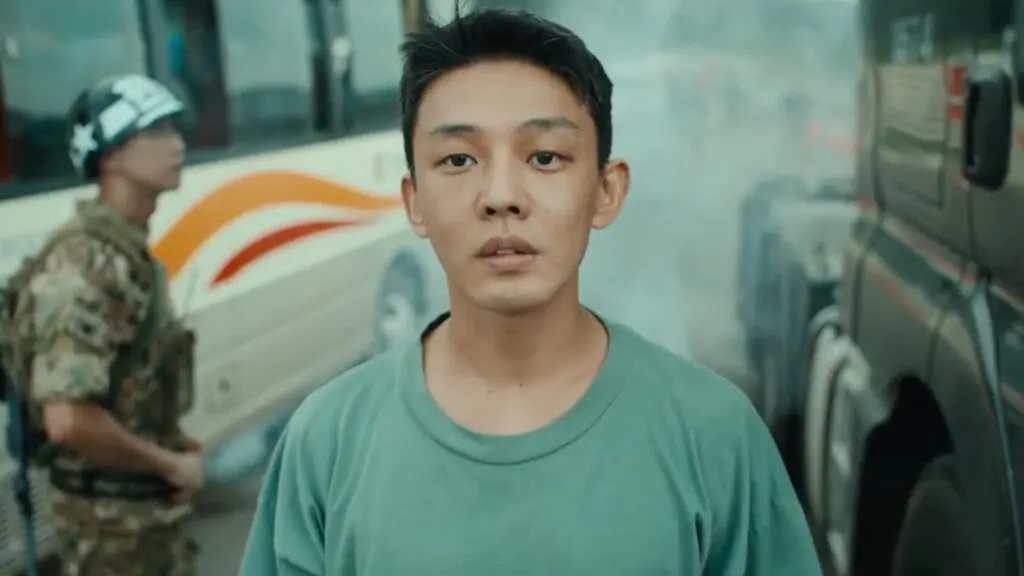
More Reviews
A Soulful Slice of Life: “Goodbye Earth”
If you’re expecting Goodbye Earth to be a high-octane, doomsday thriller about the final days before an asteroid collides with Earth, you’ll be disappointed. This K-Drama isn’t about a frantic battle against an impending apocalypse. Instead, it’s a contemplative slice of life that explores how ordinary people cope with the knowledge of their collective demise.
The show takes place in the city of Ungcheon, where the asteroid’s impact is imminent. Rather than focusing on averting disaster, Goodbye Earth delves into how people continue their lives in the face of this unavoidable end. It’s a poignant study of human behavior and relationships during the final days.
The asteroid isn’t the primary concern for the residents of Ungcheon. The political system has largely collapsed, leaving a power vacuum filled by those who could seize control. Rather than reveling in dystopian despair, the drama explores interpersonal dynamics within a community. We see a range of characters—noble, corrupt, devout, and troubled—navigate their final days together. Flashbacks gradually reveal their connections and histories, deepening our understanding of their relationships.
The residents are more troubled by everyday issues—like the disappearance of their priest or the mishandling of church funds—than by the asteroid itself. The real pain and fear stem from the chaos and corruption that precede the asteroid’s impact, rather than the end itself.
Goodbye Earth is a quietly gripping and complex drama that might leave some questions unanswered. Its focus is on personal processes and emotional responses rather than on providing concrete resolutions. The series is a slow-paced, soulful exploration of how people confront their final days, emphasizing the importance of how we live rather than merely surviving.
For those expecting a high-stakes thriller akin to Deep Impact, this might not be the drama for you. However, for fans of slice-of-life stories, Goodbye Earth offers a unique and touching narrative set against a rare dystopian backdrop. It’s a moving portrayal of individuals striving for emotional balance and humanity amidst chaos, reminding us that how we live is more significant than simply enduring until the end.
A Philosophical Drama with a Challenging Start
The initial episodes of this philosophical drama present a perplexing experience for viewers, marked by a disjointed narrative structure. The plot fluctuates erratically between different timelines, often without clear transitions, leaving audiences struggling to piece together the sequence of events. The seamless blending of flashbacks with present-day scenes further muddles the storyline, making it difficult for viewers to grasp the overall narrative.
Additionally, the early episodes introduce a wide array of characters, which, while potentially enriching the story, contribute to the confusion. The extensive cast is not adequately developed amidst the chaotic storytelling, leading to many characters feeling underutilized and diminishing their impact on the plot.
However, the series begins to improve from the fourth episode onward. As the narrative starts to solidify and the timelines become more coherent, the characters, previously disjointed, begin to connect in meaningful ways.
In summary, while this philosophical drama struggles with an initial lack of clarity and coherence, it gradually overcomes these issues, offering a more engaging and structured viewing experience as the series progresses.
A Nihilistic Drama with a Lengthy and Disjointed Narrative
This drama, set in a neighborhood facing the end of the world, explores the theme of human folly amidst impending doom. Despite its grand scope, the series fails to deliver a coherent philosophical impact, with its 12-hour run feeling excessively drawn out. The narrative lacks focus and resolution, leaving viewers with an incomplete sense of closure.
The show attempts to examine how ordinary people in a small town would cope with the last 200 days of their lives as societal norms crumble and survival becomes precarious. However, the execution is marred by a lack of direction and purpose. The main story only begins to unfold around episode six, highlighting significant issues with pacing and editing.
Characters in the series often lack clear goals, with many appearing passive or underdeveloped. The character of Yoo Ah-in, for example, is largely inconsequential, merely following the female lead without contributing meaningfully to the plot. This issue of repetitiveness is pervasive, with early episodes setting a pattern that the subsequent episodes fail to break.
The drama’s length and lack of substantive content raise questions about its necessity as a visual medium. Despite appreciating some elements, including a portion of the series and its supporting characters, the overall experience feels bloated and repetitive. There is no effective setup or payoff, leaving the narrative to fizzle out without resolution.
In summary, while the show has its merits, particularly in its exploration of nihilistic themes and character portrayals, it is ultimately let down by a disjointed structure and excessive runtime. The series might have been more impactful if it had been more concise and focused.
A Slice of Life Set Against an Apocalyptic Backdrop
Unpopular opinion: I genuinely enjoyed this slice-of-life drama set against the backdrop of the world ending. It’s not the high-octane, action-packed dystopia you might expect, which is arguably its biggest misstep in marketing. However, there’s much more to appreciate here.
The characters are deeply intriguing, grappling with profound struggles and emotions. Their development is rich and complex, making the show a philosophical exploration of humanity and its dualities. Themes like power, religion, family, relationships, loss, despair, and love are thoughtfully examined.
The ambitious narrative construction, including non-linear timelines and cuts, can be polarizing. Some viewers may find it disorienting, especially if they’re accustomed to more straightforward storytelling. Personally, I found the deviations in perspective manageable given the strength of the story and performances.
The portrayal of relationships, especially between Yoo Ah-in’s and Ahn Eun-jin’s characters, is particularly notable. The drama delves into social constructs like children taking on adult roles, marriage, and pregnancy in a world on the brink of collapse. The depiction of love and touch is extraordinarily poignant—it’s perhaps the most emotionally charged portrayal I’ve ever seen. The acting is so compelling that it deserves accolades.
While the slow countdown to the asteroid’s impact might seem drawn-out, it was refreshing not to have a conventional hero trying to avert disaster. Instead, the focus is on how people navigate their final days, which provides a unique and introspective take.
The show’s visual and musical elements also shine. The OSTs are remarkable, complementing the story’s emotional depth and connecting well with the narrative, similar to the work in The Last of Us and The Leftovers.
There are notable gaps in the story, particularly due to the omission of Yun Sang’s perspective, which affects the overall narrative. This results in some filler content that can be less engaging. Despite this, the storyline remains intriguing and beautifully crafted.
I’m disheartened by the treatment of Yoo Ah-in and the uncertainty of his future projects. The series provides a deep dive into past chaos and present fears, culminating in a moving finale. While the ending might be divisive, the series offers a unique and impactful experience. I encourage viewers to form their own opinions rather than relying solely on reviews or popular sentiment.
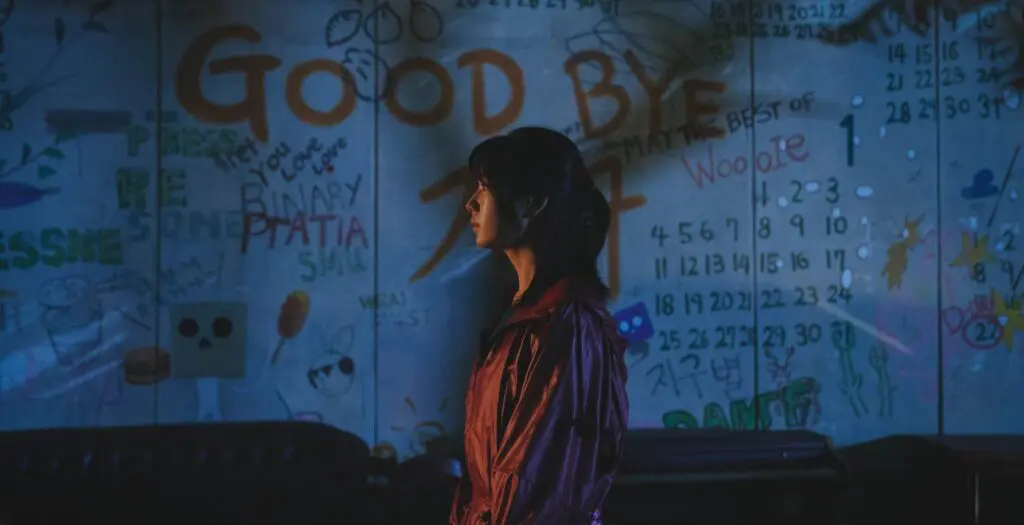
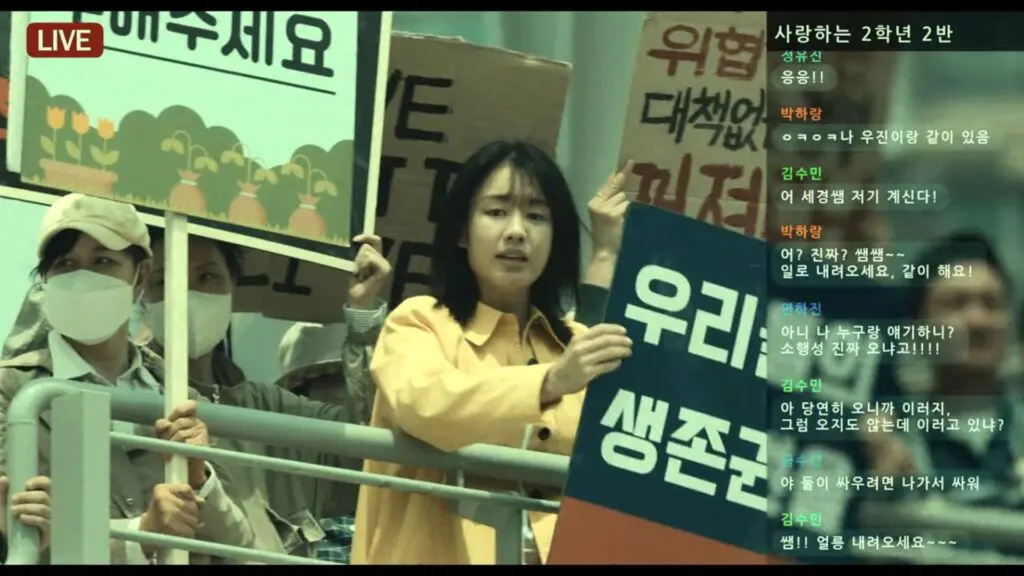
I’m glad I gave this drama a chance and watched it to the end. Despite Yoo Ah-in’s character being relegated to a supporting role, I found the storyline compelling, particularly the transformation of a secondary school teacher into a dark hero seeking justice for her murdered students while coming to terms with the grim fate awaiting her and the rest of the Koreans who couldn’t escape the country.
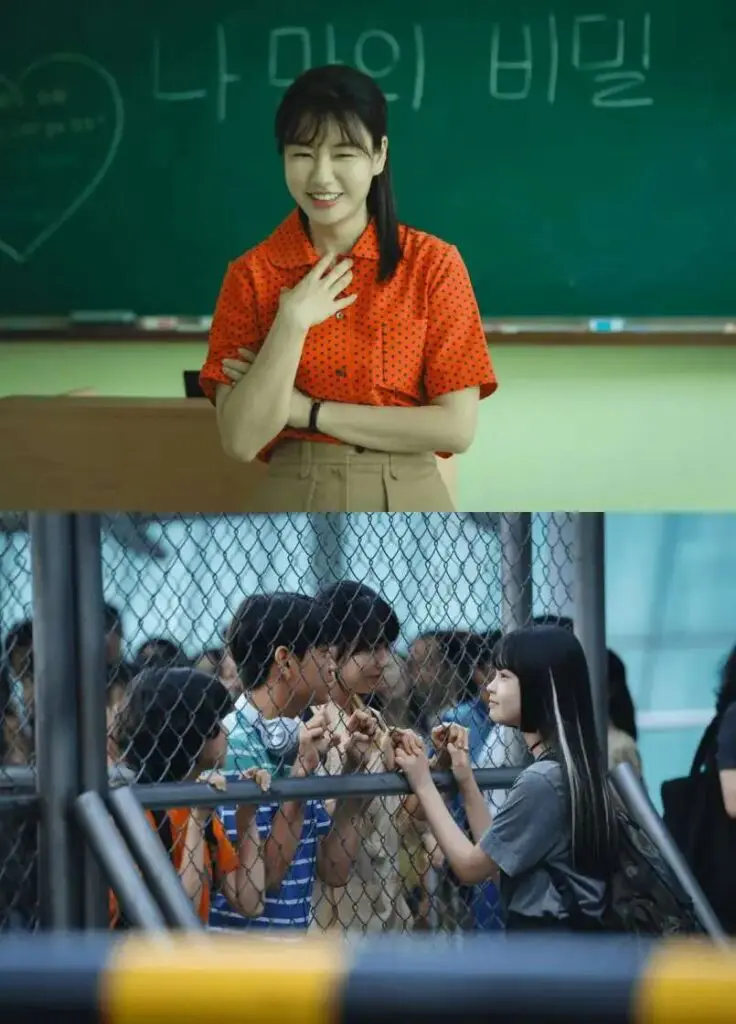
The female characters in this drama—Se-kyung, In-a, Mi-ryeong, Gye-Hyang, Myung-Ok, Sister Chae, Young-Ji, the deputy mayor, and the female doctor—are incredibly strong and unite to protect the surviving children, some of whom have been orphaned due to the town’s unrest.
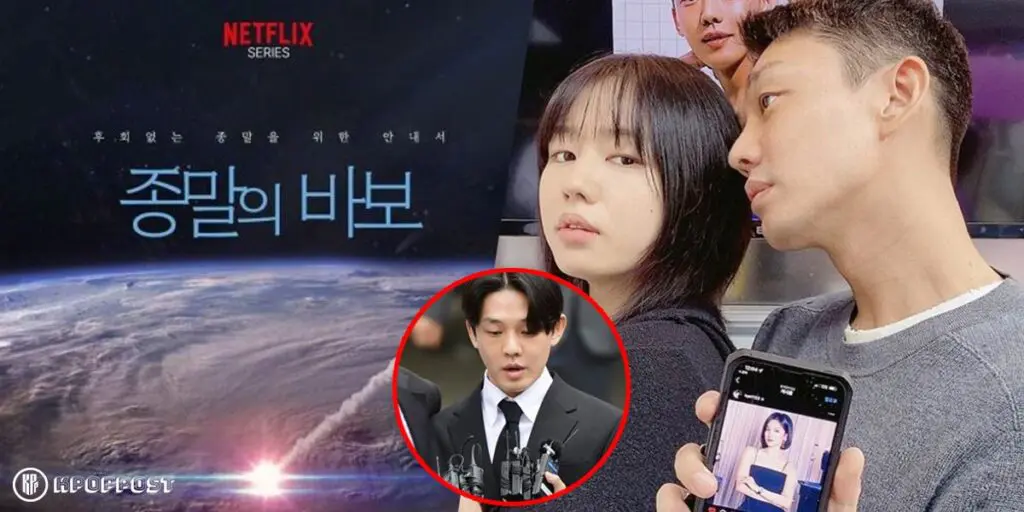
Although Yoo Ah-in’s screen time was diminished because of the drug controversy, he still delivered a standout performance alongside the lead, Se-kyung, showcasing his professionalism and acting skills.
The drama concludes 10 days before the asteroid impacts Korea. While I was disappointed that In-a left the town instead of standing with Se-kyung against the human trafficking syndicate, I hope the children and teenagers manage to survive and reach safety. I also hope Yun Sang arrives in time to be with Se-kyung at the harbor before the syndicate completes their final transaction. I’m eager to see what becomes of these key characters and how their stories unfold.
So, I watched this series, and it was really disappointing.
First off, I heard that Yoo Ah-in was initially meant to be the main focus, but due to his drug scandal, his scenes were cut, and the attention shifted to Ahn Yoon-jin’s character. For me, this change marked the start of the story’s decline. Honestly, focusing on the kids might have been more compelling than a middle school teacher’s poorly executed revenge plot.
Secondly, the plot was all over the place. The editing was a mess, which I can understand considering the production team had to rework the entire story following Yoo Ah-in’s scandal. It must have been a nightmare for them to make such drastic changes in a short time.
Thirdly, this was the slowest K-Drama I’ve ever watched. After the first episode, I found myself constantly checking the time, which is unusual for me.
In conclusion, I wish directors would avoid releasing a series if it’s going to be rushed and poorly executed. K-Drama fans, let’s ease up on the excessive hate—it’s not the end of the world if a show doesn’t meet expectations.
If you had just 200 days left to live, what would you do?
Goodbye Earth truly took me by surprise. Initially, I was apprehensive due to its low ratings, expecting a disappointment. However, the first episode quickly won me over with its depth and unique approach. Though the beginning was a bit uneven, the story’s progression was incredibly compelling.
The drama goes beyond a typical end-of-the-world scenario; it’s a profound exploration of philosophical, political, and emotional themes, offering an uncomfortably realistic look at human nature. The way various plotlines intertwined and focused on the wellbeing of innocent children amidst human greed and selfishness was both moving and thought-provoking.
The show’s narrative resonates with the themes from the drama Monstrous, highlighting humanity’s darker side and the chaos driven by greed. Sungjae’s storyline, centered around a church providing support during crisis, stood out to me. His powerful performance, especially in emotional scenes like the city hall memorial and fasting period, was truly impactful.
The main cast, including Seongwoo, Eunjin, and Yoonhye, delivered outstanding performances that exceeded my expectations. I was pleasantly surprised by Yoo Ah In’s presence in the series, even though his role didn’t stand out as much. Eunjin and Ah In’s chemistry was engaging, and their love story added a meaningful layer to the plot. The dynamics among the four friends were excellent, and the bromance between Yoo Ah In and JSW was a highlight, despite Yoo Ah In not being able to promote the drama.
Goodbye Earth has a distinct jdrama vibe, fitting since it’s based on a Japanese novel. It captures the essence of how people might cope with an impending apocalypse, exploring various facets of human nature, from creating bucket lists to grappling with denial and despair. This realistic portrayal of life’s little moments, even in a catastrophe, is what made the drama resonate so deeply with me. I’m considering reading the original novel to delve further into its themes.
I believe the MDL rating for Goodbye Earth is too low. The YAI scandal likely influenced viewers’ expectations, and the slow-paced, slice-of-life nature might not have suited everyone. If you appreciate character-driven, reflective stories over high-paced action, this drama could be worth your time. It reminded me of the Korean drama Live, blending slice-of-life elements with emotional and thriller aspects.
The only reason I didn’t give it a perfect 10 is that the ending felt a bit vague and left me wanting more closure for the characters. A special movie or sequel would be great to explore the unresolved threads. I’m going to miss the characters, especially the church gang. The final scene with Sungjae and the dog was a touching conclusion, and Ina’s representation was a significant highlight.
If you have any query regrading our Site, Advertisement and any other issue, please feel free to contact at contact@read.feedflow.us or Contact Us.