





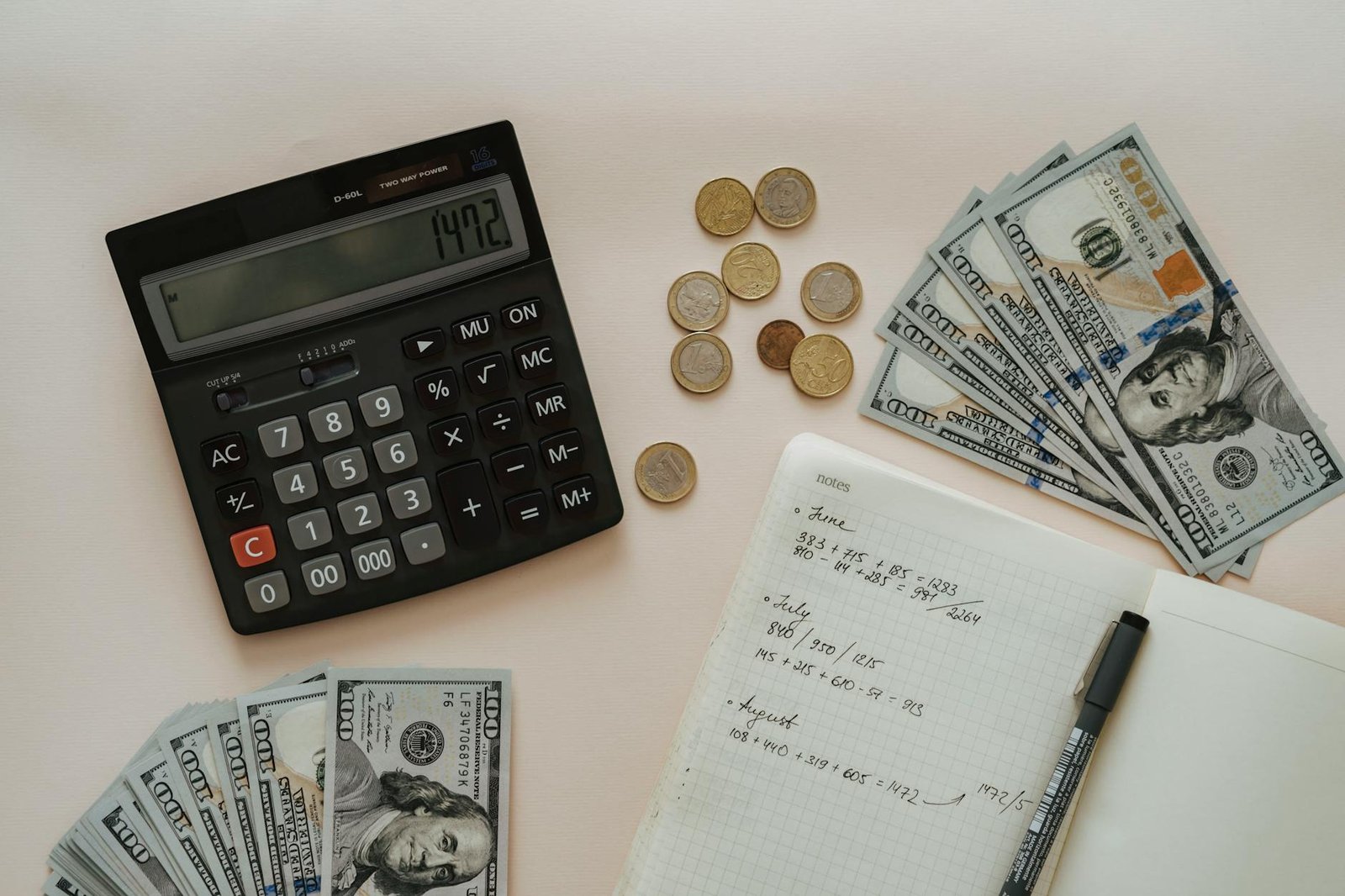
Fixed vs. Variable Expenses: Examples and How to Budget Them

Fixed and variable expenses are two useful ways to understand where your money goes. Fixed expenses usually stay similar from one billing period to the next. Variable expenses change with usage, prices or choices. A third category—periodic expenses—covers costs that arrive less often, such as annual insurance, school fees or vehicle maintenance.
These labels describe how a cost behaves, not whether it is essential. Rent is usually fixed and essential; a streaming subscription may be fixed but optional. Groceries are variable and essential, while restaurant spending is variable and often more flexible.
Fixed vs. Variable vs. Periodic Expenses
| Type | What it means | Examples | Budgeting approach |
|---|---|---|---|
| Fixed | Usually similar each month | Rent, loan payment, fixed subscription, insurance premium paid monthly | Schedule it first and review the contract or renewal date |
| Variable | Changes with use, prices or behaviour | Groceries, fuel, electricity, dining out, household supplies | Estimate from recent spending and review the category regularly |
| Periodic | Arrives weekly, quarterly, annually or irregularly | Annual insurance, school expenses, car repairs, holiday travel | Estimate the total and set aside a portion each month |
Examples of Fixed Expenses
- Rent or a mortgage payment under a stable agreement.
- Loan repayments with a set monthly amount.
- Insurance premiums paid on a monthly schedule.
- Phone or internet plans with a fixed package price.
- Subscriptions and memberships that renew at a set price.
Fixed does not mean permanent. Rent can rise at renewal, subscriptions can change price, and a loan payment can change under some terms. Keep the renewal date in your calendar and check statements for increases.
Examples of Variable Expenses
- Groceries and household supplies.
- Fuel, public transport top-ups or rideshare trips.
- Electricity, gas or water bills when charges depend on use.
- Dining out, entertainment and personal shopping.
- Medical or repair costs that vary from month to month.
Some variable costs are essential and cannot simply be cut. The goal is to understand the range and plan realistically, not to assume every changing expense is discretionary.
A Simple Monthly Budget Example
| Category | Planned amount | Type |
|---|---|---|
| Rent | $1,200 | Fixed |
| Phone and internet | $80 | Fixed |
| Groceries | $350 | Variable |
| Transport | $160 | Variable |
| Utilities | $120 | Variable estimate |
| Annual insurance and repairs fund | $100 | Periodic-cost saving |
These figures are examples, not recommended amounts. Replace them with your own currency, actual bills and recent spending. Add debt payments, healthcare, savings and other responsibilities that apply to your situation.
How to Budget Fixed and Variable Costs
- List required bills. Record due dates, amounts and renewal dates for rent, debt, insurance and utilities.
- Review two or three months of variable spending. Use actual transactions rather than a guess, and account for seasonal changes where relevant.
- Plan for periodic costs. Divide a predictable annual cost by the number of months until it is due and set that amount aside if your cash flow allows.
- Choose flexible limits. Set realistic targets for dining out, entertainment and other categories you can influence.
- Review after the month ends. Compare planned and actual amounts, then adjust the next month instead of treating one unusual bill as failure.
When a purchase feels difficult to classify, our guide to needs vs. wants can help you decide its priority. If you prefer digital tracking, compare the approaches in our guide to personal finance apps.
Frequently Asked Questions
Are groceries fixed or variable expenses?
Usually variable, because the total changes with prices, household needs and shopping habits. You can still set a planned grocery budget based on recent spending.
Are utilities fixed or variable?
It depends on the bill. A fixed-price plan may stay similar, while usage-based electricity, gas or water bills can vary. Check the pricing terms on your bill.
Can a fixed expense be reduced?
Sometimes. Review unused subscriptions, compare eligible plans at renewal and check whether a contract has fees or restrictions before making a change.
For a consumer-focused explanation of expense categories, see the Consumer Financial Protection Bureau and its budgeting education resources.