



Brilliant Earth Review: What to Know Before Buying a Diamond

Brilliant Earth Review: What to Know Before Buying a Diamond
Brilliant Earth is known for engagement rings and fine jewelry, with a public emphasis on diamond traceability, sourcing standards and both natural and lab-grown stones. Those themes can be important to a buyer, but they need to be evaluated alongside the ring’s design, stone documentation, price and service terms. A sourcing statement is one part of the decision, not a substitute for comparing the actual product.
This article reviews publicly available brand information and practical buying considerations rather than claiming personal purchase experience or independent verification of every supply-chain statement. Policies, inventory and product prices change; consult the current official pages before ordering.
Best For: Buyers who want to compare engagement rings while paying attention to diamond origin and sourcing disclosures.
Style: A range of classic and contemporary fine-jewelry designs.
Potential Strength: The brand publishes mission and sourcing information that shoppers can review alongside product specifications.
Buyer Caution: Read the definitions, scope and exclusions behind sustainability claims, and verify return eligibility for the exact piece.
The Quick Verdict: Buyer Summary
Brilliant Earth is worth shortlisting if sourcing information is an important part of your diamond purchase and you are willing to read beyond the marketing summary. Its public mission reports discuss natural-diamond origin, lab-grown diamond manufacturing standards and the use of repurposed metals. Those disclosures offer more context than a simple label, but buyers should still check the specific stone and finished ring.
- Potential strength: Public reports provide detail about the company’s stated sourcing and material approach.
- Best comparison method: Compare the exact diamond, grading documentation, metal, setting and total cost, then assess sourcing information separately.
- Buyer caution: Ethical or environmental terminology can mean different things, so read the brand’s definition and scope.
Brand Positioning and Product Range
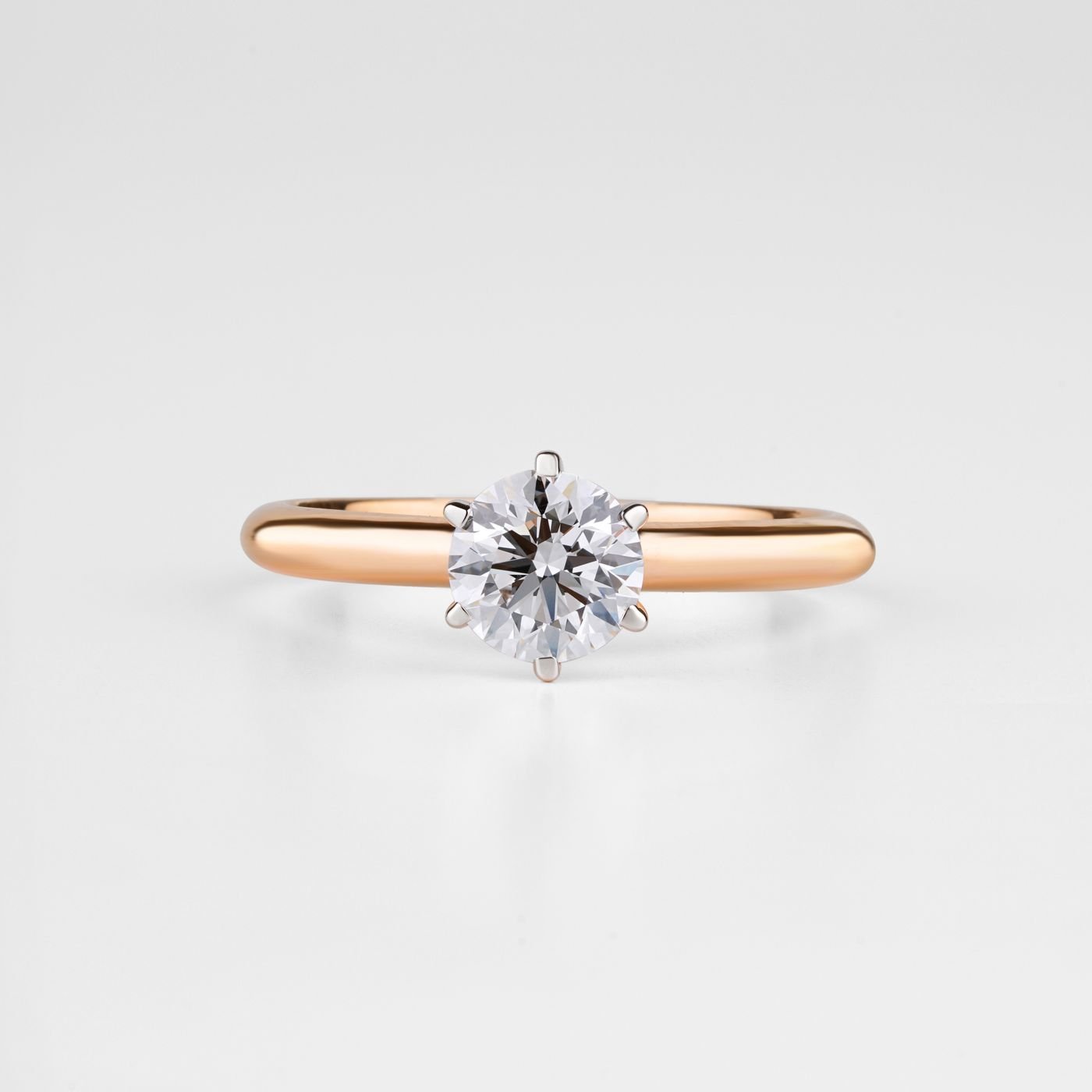
The brand’s public site includes engagement rings and fine jewelry with different center-stone, setting and metal choices. Before browsing, set priorities: stone shape, overall appearance, metal color, setting height, budget and the service you may need after delivery. That makes a broad catalogue more useful and helps prevent a buyer from focusing on a single headline feature.
If you are shopping for a proposal, confirm the timeline for the exact design and whether it is made to order. If you are buying a piece for daily wear, consider comfort, maintenance and how exposed stones or delicate details may behave during ordinary activities.
Natural vs. Lab-Grown Diamonds
Natural and lab-grown diamonds differ in origin and usually in market price, while sharing the same fundamental crystal structure. A lab-grown diamond is not the same as a simulant such as cubic zirconia; it is diamond material grown in a controlled environment. Buyers should still compare individual stones, grading documentation, proportions and the finished ring rather than assuming that origin alone determines beauty or quality.
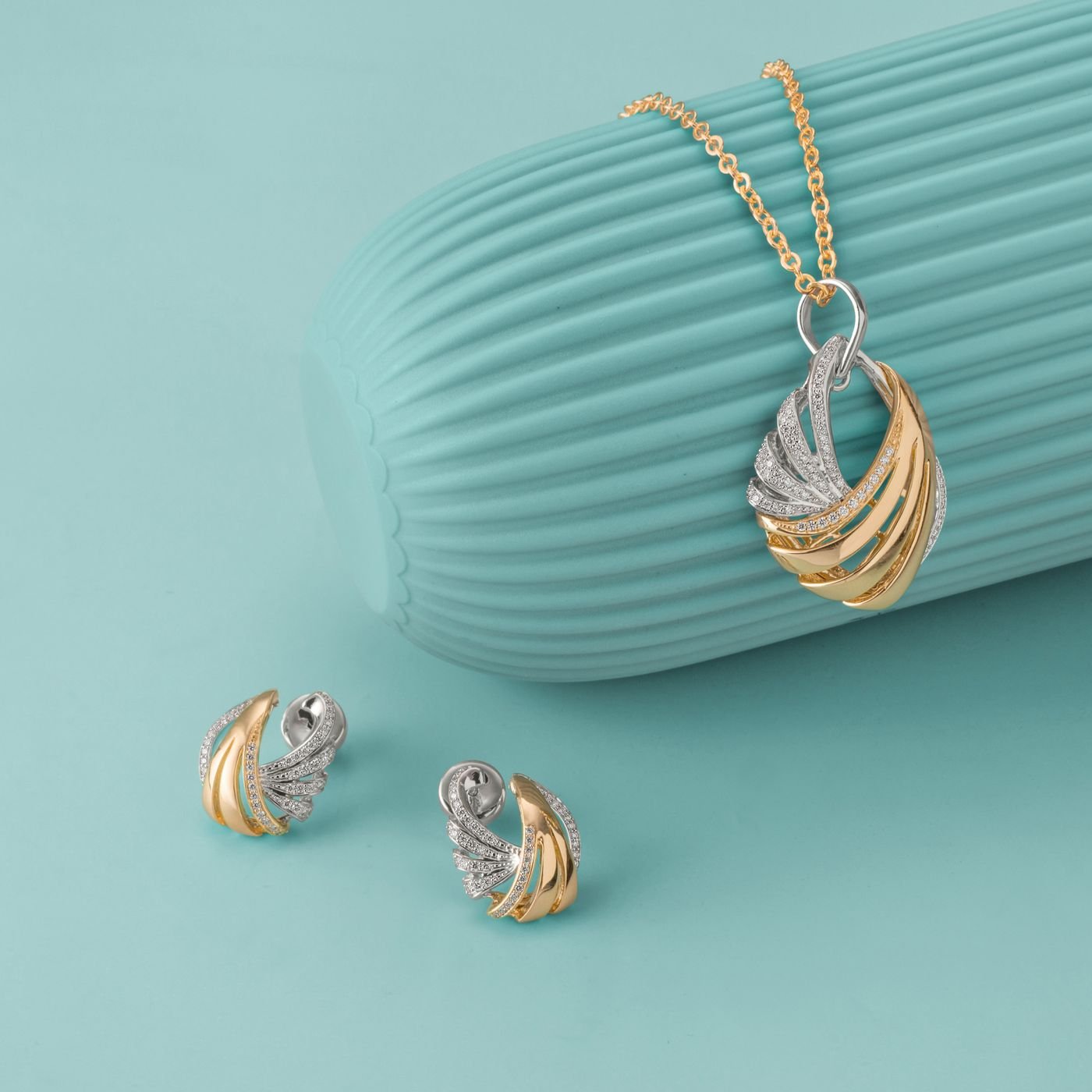
Check the grading report for the specific stone and make sure the product listing accurately describes origin. The Gemological Institute of America offers independent education on diamond characteristics and grading. For the setting, confirm the metal, dimensions, prong design, resizing options and any included service.
Sourcing and Sustainability Claims
Brilliant Earth’s published mission and transparency reports describe its sourcing approach, including natural-diamond origin information, standards for suppliers and material-reuse initiatives. Its 2025 report also provides specific metrics and examples. Treat these as the company’s disclosed claims and read the methodology, dates and scope rather than assuming each statement applies identically to every product or component.
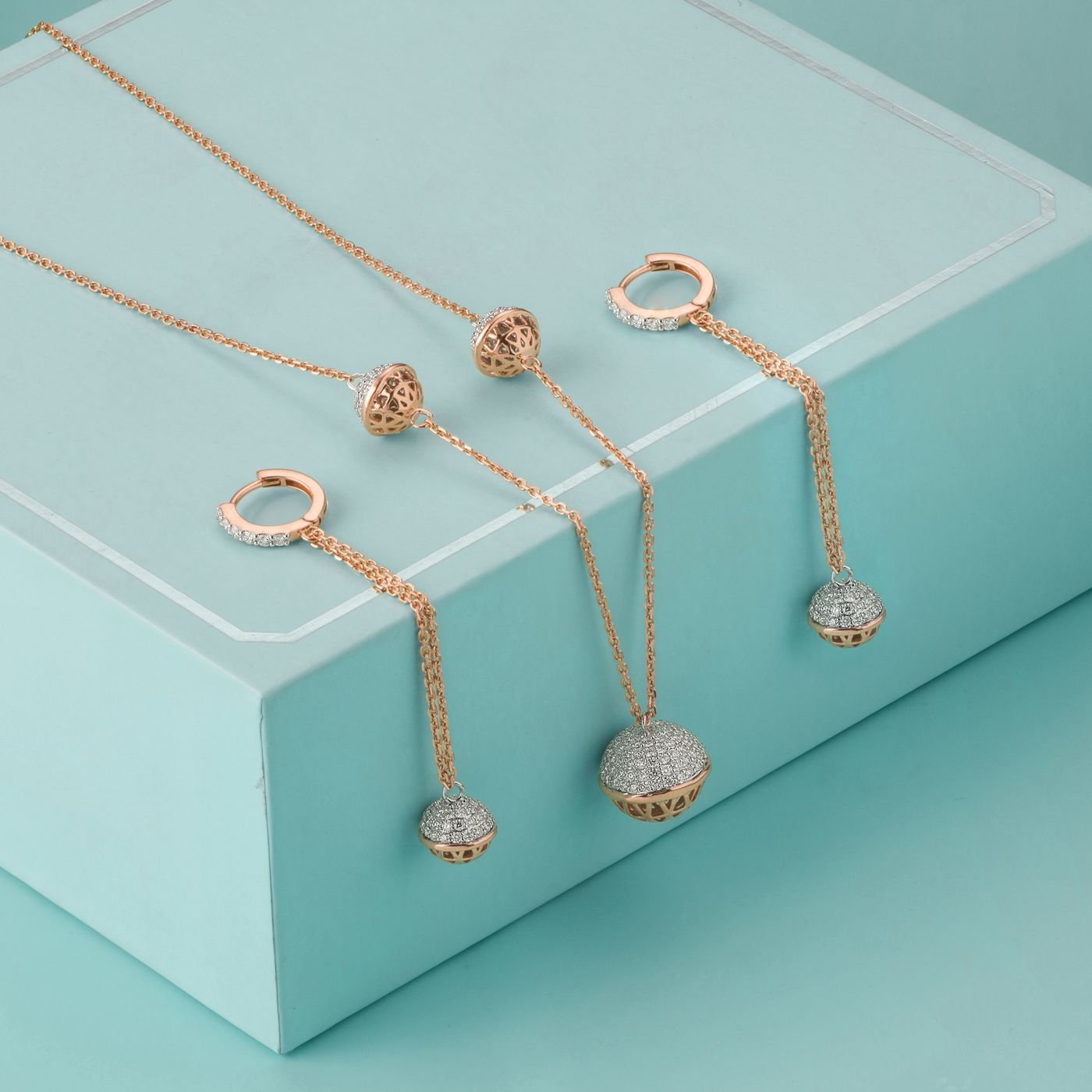
When a sourcing claim influences your decision, look for the definition used, whether the information applies to all items or selected collections, what third-party checks are described and when the report was published. For a high-value purchase, save the relevant disclosure and product listing so you can refer back to the exact claims that informed your decision.
Pricing and Value
Compare total cost using the same basic specification: stone origin, shape, carat weight, color and clarity information, setting metal, side stones and final ring configuration. Add shipping, tax and any service cost relevant to your location. A ring with a similar photograph can differ meaningfully in stone quality, metal and construction.
Do not use sustainability language as a shortcut for quality assessment, and do not assume a higher price automatically proves a better stone. Evaluate the product specification, the supporting documentation and the services you actually value.
Returns, Resizing and Support
Brilliant Earth’s official information currently advertises free 30-day returns and exchanges for eligible purchases, along with resizing and diamond-upgrade services. The exact conditions, timing, exclusions and geographic availability matter, so read the current terms for your item and delivery country. Customization or made-to-order details can affect what is possible after checkout.
Before ordering, check the return window, whether the piece must be unworn, which sizing services are included and how warranty or repair requests are handled. If a proposal date or event is involved, confirm the expected delivery and production timeline directly with the retailer.
Buyer Checklist
- Verify the origin and grading report for the exact diamond.
- Compare the complete ring specification and total checkout price.
- Read the sourcing report’s definitions, scope and publication date.
- Check current return, resizing and warranty terms for the item.
- Save the product listing, report and relevant policy pages.
For a broader explanation of stones, metals and settings, start with the Feed Flow jewelry guide.
The Brilliant Earth buying test: separate diamond quality from sourcing claims
First compare the stone on its own merits. Natural and lab-grown diamonds are both diamond material, but they have different origins and typically different market pricing. Neither origin tells you whether a specific stone has the cut, proportions, appearance or documentation you want. Compare the exact report, shape, carat weight, color and clarity information, and inspect the setting and finished ring. Carat is weight rather than a direct measure of face-up size; proportions can change how large a stone looks. A sourcing story should not replace this product-level evaluation.
Second, read sourcing claims as defined disclosures. Brilliant Earth’s 2025 Mission Report describes supplier standards and gives specific figures, including that the company used 99.5% repurposed gold and 96.4% repurposed silver in its jewelry suppliers’ purchases, and that 32% of its lab-grown diamonds were cut and polished with renewable energy, renewable energy credits or a stated sustainability certification. These are company-reported figures with a defined reporting period and scope—not proof that every individual piece contains repurposed metal or that every lab-grown diamond was produced with renewable energy. The distinction matters if sourcing is a key reason for your purchase.
When a claim influences your choice, ask four questions: what exactly is measured; what period does the figure cover; does it apply to the whole business or a specific collection/material flow; and what kind of verification or audit is described? A supplier audit, chain-of-custody procedure and third-party product certification are not identical forms of evidence. A thoughtful buyer can value published transparency while still checking the boundaries of each statement.
Natural origin, lab-grown origin and the limits of broad labels
The company’s report describes its approach to natural-diamond origin and supplier standards, as well as its lab-grown diamond supplier evaluation process. Treat these as disclosures about the company’s program, and look for product-level origin information when choosing a specific stone. A broad statement about a brand’s sourcing standards does not automatically establish the precise history of every stone, every metal component or every manufacturing step in a ring.
For independent background on diamond characteristics and grading, use the Gemological Institute of America. For company-specific claims, read the dated 2025 Mission Report directly and check whether the current product page provides additional detail. Avoid collapsing environmental, labor and traceability questions into a single “ethical” label: they are related, but they are not the same test.
Returns, resizing and ownership costs
Brilliant Earth’s customer-care page advertises 30-day returns or exchanges for most items, complimentary resizing within the first year for most rings, a lifetime manufacturing warranty and a lifetime diamond-upgrade program. The qualifiers “most items” and “most rings” are important. Confirm whether your exact item qualifies, what conditions apply, how a customized order is treated, and what you must provide to initiate service. The brand’s current customer-care information should be checked before checkout; do not assume every service applies identically to every product or country.
Include service and fit in the value calculation. A ring bought for a proposal date has a delivery deadline; a ring worn every day needs a practical setting and a credible maintenance route. Ask about production timing, resizing limitations and return eligibility before engraving or committing to a customized configuration. Save the product details, grading report and policy terms used in your decision.
When Brilliant Earth is a good fit
It is worth shortlisting if diamond-origin information and published sourcing disclosures are meaningful to you and you are prepared to examine the evidence rather than rely on a slogan. It is not automatically the best choice solely because sourcing is prominent in the brand story; compare the exact stone, ring construction, price and service with alternatives. This is a desk-based review of public information, not an independent audit of Brilliant Earth’s supply chain or hands-on test of its jewelry.
Frequently Asked Questions
Does Brilliant Earth offer lab-grown diamonds?
Its official reports describe lab-grown diamond collections alongside natural diamonds. Check the specific listing for origin and grading details.
Are its sourcing claims independently verified?
The company publishes reports describing its policies and some verification processes. Read the report’s scope and methodology, and distinguish company disclosures from an independent assessment of every individual piece.
What should I check before ordering a ring?
Verify the diamond report, metal, setting, total price, delivery timeline and current return or resizing terms before checkout.