


How to Build a Capsule Wardrobe on a Budget

How to Build a Capsule Wardrobe on a Budget
A capsule wardrobe does not require owning exactly 30 or 40 pieces, and it does not mean throwing away everything you already own.
The useful idea is simpler: keep a smaller group of clothes that work together, fit your real life and get worn often. If your goal is to spend less, the first step is not shopping. It is figuring out what you already have.
Feed Flow’s guide to finding your personal style is a good companion to this process because a capsule wardrobe works better when it reflects your actual taste instead of a trend you saw online.
What a Capsule Wardrobe Actually Is
A capsule wardrobe is a deliberately limited selection of clothing designed to create many wearable combinations. The exact number is personal.
For one person, a capsule may be built around work clothes. For another, it may focus on college, casual weekends, travel or a climate with only a small seasonal change.
The test is practical: Can you get dressed easily with the clothes you keep?
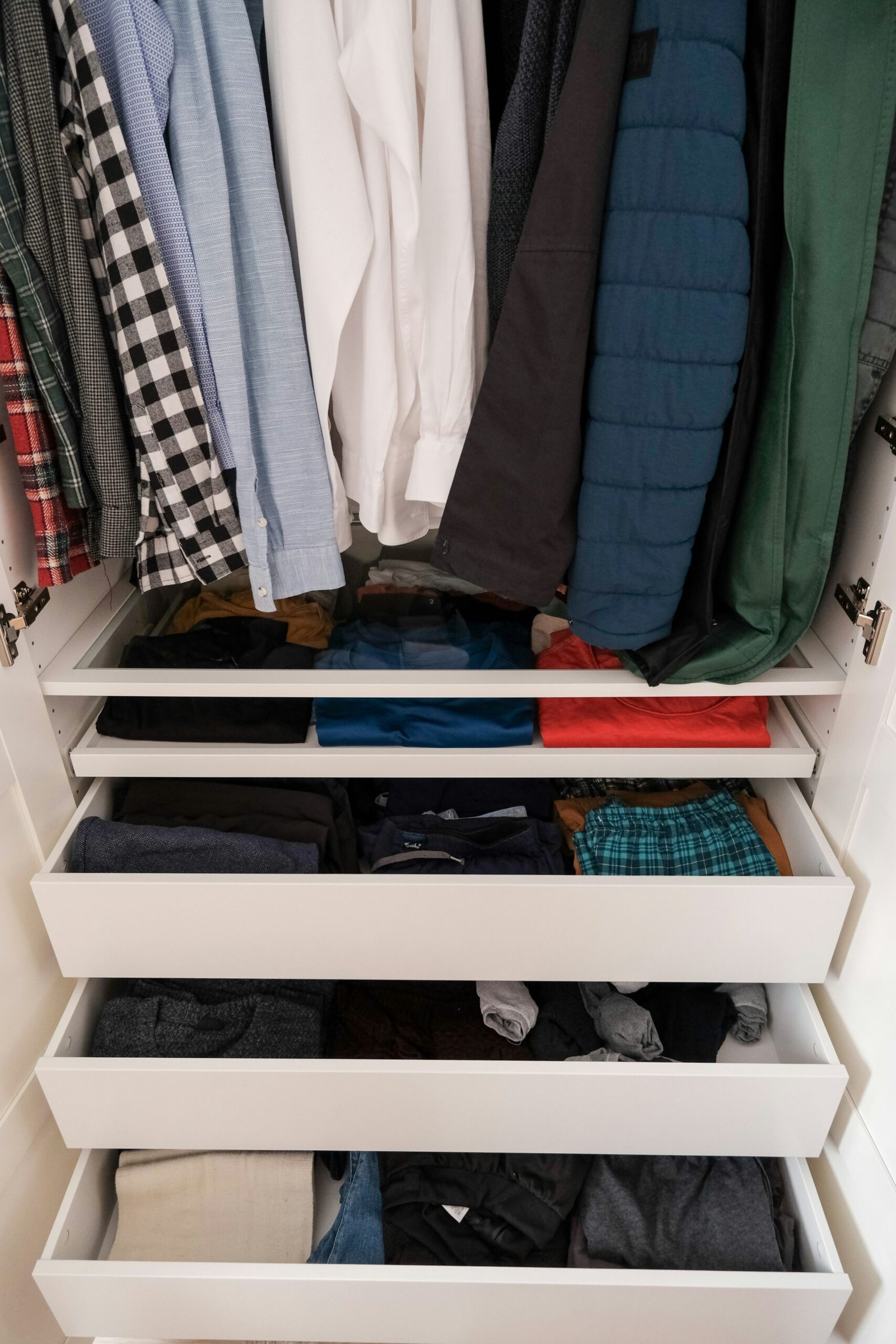
Audit Your Existing Closet First
Pull out the clothes you actually wear. Then separate everything into four groups:
- Wear often: pieces that fit, feel comfortable and match your current life.
- Wear sometimes: useful seasonal or occasion pieces.
- Needs a decision: items that need tailoring, repair or honest evaluation.
- Doesn’t work: clothes that no longer fit your body, lifestyle or taste.
Do not keep something because it was expensive. The money has already been spent. The useful question is whether the item deserves space in your current wardrobe.
Choose a Simple Color Palette
You do not need a beige wardrobe to make a capsule work.
Choose two or three base colors that you already wear, then add a few accent colors you genuinely like. Black, navy, white, gray, brown or denim can work as bases, but there is no rule that says one of them must be included.
The purpose of a palette is to make combinations easier. If almost every top works with at least two bottoms, you need fewer total pieces to create variety.
Build Around a Small Core
Start with the categories you use most.
- Everyday tops
- Bottoms that fit your normal routine
- One or two layering pieces
- A practical outer layer for your climate
- Everyday shoes
- One dressier option if your lifestyle requires it
The exact count matters less than the relationship between the pieces. A closet full of basics that you dislike is not more useful than a smaller wardrobe containing clothes you actually reach for.
What to Buy First
Once you know what is missing, make a short shopping list. Buy the gaps rather than starting over.
Prioritize pieces that solve several problems at once. A jacket that works with jeans, trousers and a dress is usually more useful than a highly specific statement piece you can only wear one way.
Before buying, ask:
- Can I make at least three outfits with this?
- Does it work with clothes I already own?
- Will I wear it during a normal week?
- Is the fit good enough that I will reach for it?
- Am I buying it because I need it or because the sale makes it feel urgent?
What Usually Wastes Money
The biggest capsule-wardrobe mistake is shopping for the fantasy version of your life.
If you work from home most days, buying five formal outfits will not make your closet more efficient. If you live in a hot climate, building a wardrobe around heavy layers will create the same problem.
Other common money traps include buying duplicates before checking your closet, purchasing uncomfortable shoes because they look good, and replacing good-quality basics simply because a new trend appeared.
Make More Outfits From Fewer Pieces
Take your most useful pieces and create outfit formulas rather than individual outfits.
For example, a simple formula might be straight-leg trousers + fitted top + layer + everyday shoe. Change the color or layer and the same structure becomes several different looks.
You can also photograph combinations you love. A small album on your phone becomes a practical reference on busy mornings and helps you remember clothes that otherwise get ignored.
Seasonal dressing can work the same way. Feed Flow’s fall outfit guide can give you ideas for adapting everyday pieces when the weather changes.
Keep the Wardrobe Working
Every few months, review what you actually wore. If something never leaves the closet, figure out why. It may need tailoring, a different styling combination or simply a place in your archive rather than your everyday rotation.
Replace worn essentials when they genuinely need replacing. Avoid turning “capsule wardrobe” into another reason to shop constantly.
The best budget capsule wardrobe is not the one with the fewest clothes. It is the one where most of what you own earns its place by being useful, comfortable and easy to combine.