
Table of Contents
How to Stop Procrastinating and Get Your Life Together (Simple Daily System)
Procrastination isn’t just about being lazy—it’s usually about feeling overwhelmed, stuck, or unsure where to start. You tell yourself you’ll do it later, but later turns into stress, guilt, and pressure. Over time, this cycle affects your confidence and productivity. The truth is, getting your life together doesn’t require a perfect plan—it requires a simple system you can actually follow every day. Once you reduce friction, taking action becomes easier than avoiding it.
Why Procrastination Feels So Hard to Break
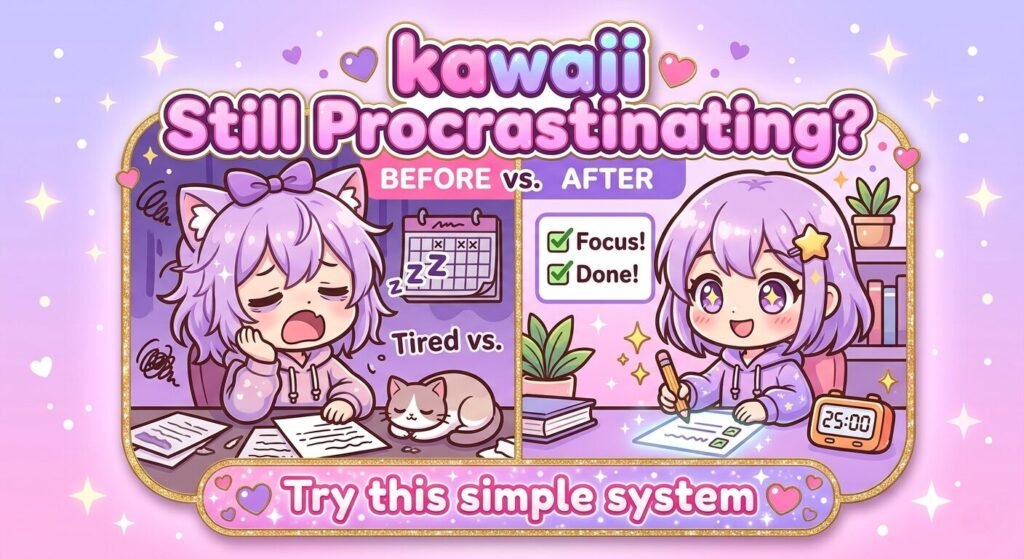
Procrastination feels good in the moment because it removes pressure. But that relief is temporary. Your brain avoids discomfort by delaying tasks, even when you know it will create more stress later. This creates a loop where avoidance becomes a habit. Breaking this pattern requires understanding why your brain resists action in the first place.
You’re Not Lazy—You’re Overwhelmed
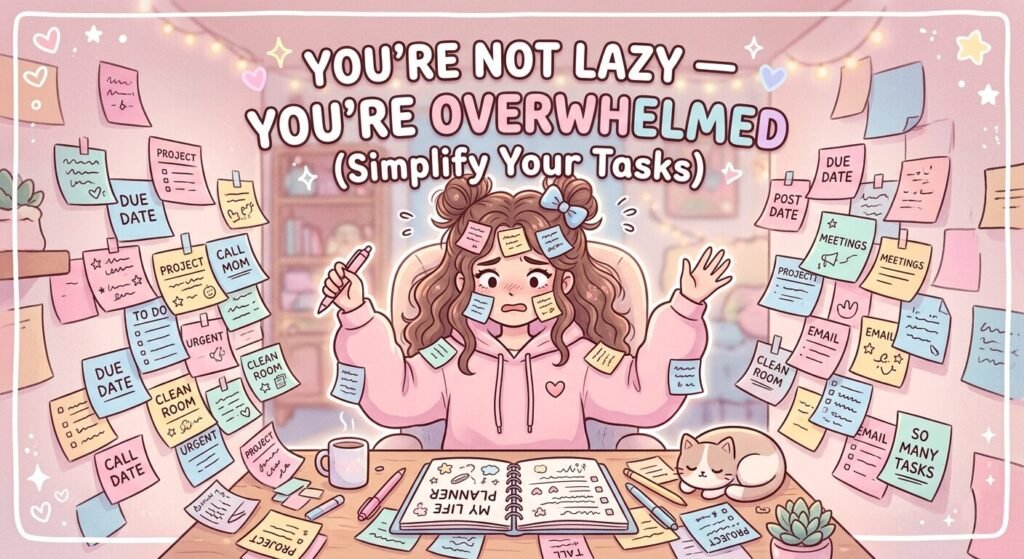
Most of the time, procrastination comes from having too much on your mind. When tasks feel too big or unclear, your brain shuts down. Instead of starting, you delay. This doesn’t mean you lack discipline—it means your system isn’t working. Simplifying your approach can completely change how you respond to tasks.
The Cycle That Keeps You Stuck
You delay → you feel guilty → you get stressed → you delay again. This cycle repeats daily and slowly affects your motivation. The longer it continues, the harder it feels to break. The key is not motivation—it’s creating a system that removes the need for it.
Step 1: Make Tasks Feel Smaller
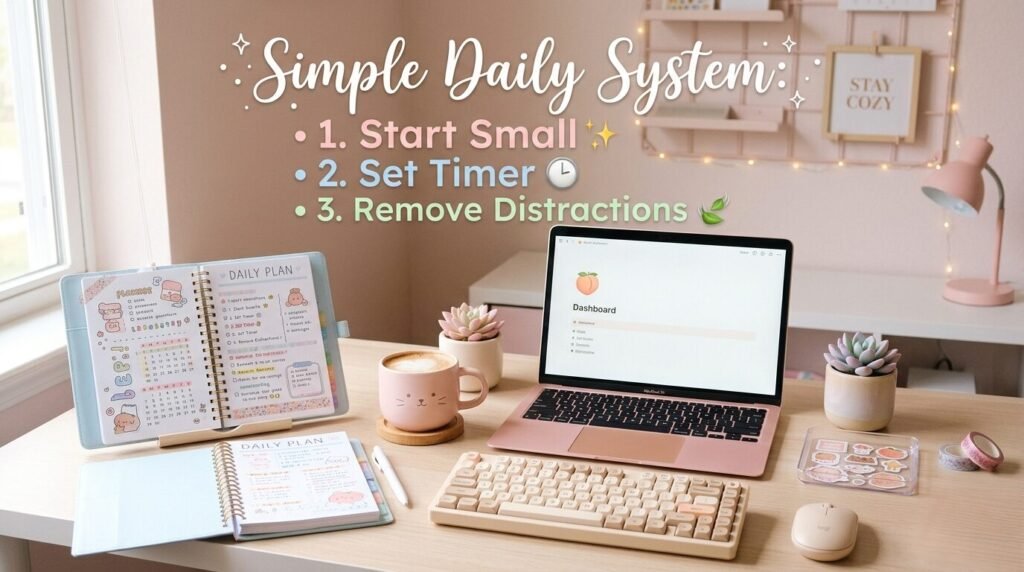
Instead of thinking about the full task, focus on the smallest possible action. For example, instead of “finish work,” start with “open the document.” Small steps reduce resistance and make starting easier. Once you begin, momentum takes over naturally.
Step 2: Build a Simple Daily System
Create a routine that you follow daily, even when you don’t feel like it. This could be a short to-do list, time blocks, or a fixed work session. Systems reduce decision fatigue and help you stay consistent. When actions become routine, procrastination loses power.
Step 3: Remove Distractions That Drain You
Distractions make procrastination easier. Notifications, scrolling, and unnecessary apps pull your attention away. Reducing these distractions creates focus naturally. Even small changes—like putting your phone away—can improve productivity instantly.
Step 4: Focus on Progress, Not Perfection
Perfectionism often leads to procrastination. When you expect everything to be perfect, starting feels harder. Focus on completing tasks, not perfecting them. Progress builds confidence, and confidence reduces resistance.
What Changes When You Take Action
Once you start taking consistent action, everything shifts. Your stress reduces, your confidence improves, and your days feel more structured. Instead of feeling stuck, you feel in control. Small wins build momentum, and momentum creates long-term change.
Want a Simple Productivity System?
We’re building easy-to-follow productivity systems designed for real life. No overwhelm—just simple steps that help you take action daily.
Final Thoughts
Procrastination doesn’t define you—your system does. When you make things simpler, action becomes easier. Start small, stay consistent, and everything will begin to change.
Written by Misty
From That Girl Life — helping you reset your habits, mindset, and life step by step.
Follow That Girl Life on Pinterest