
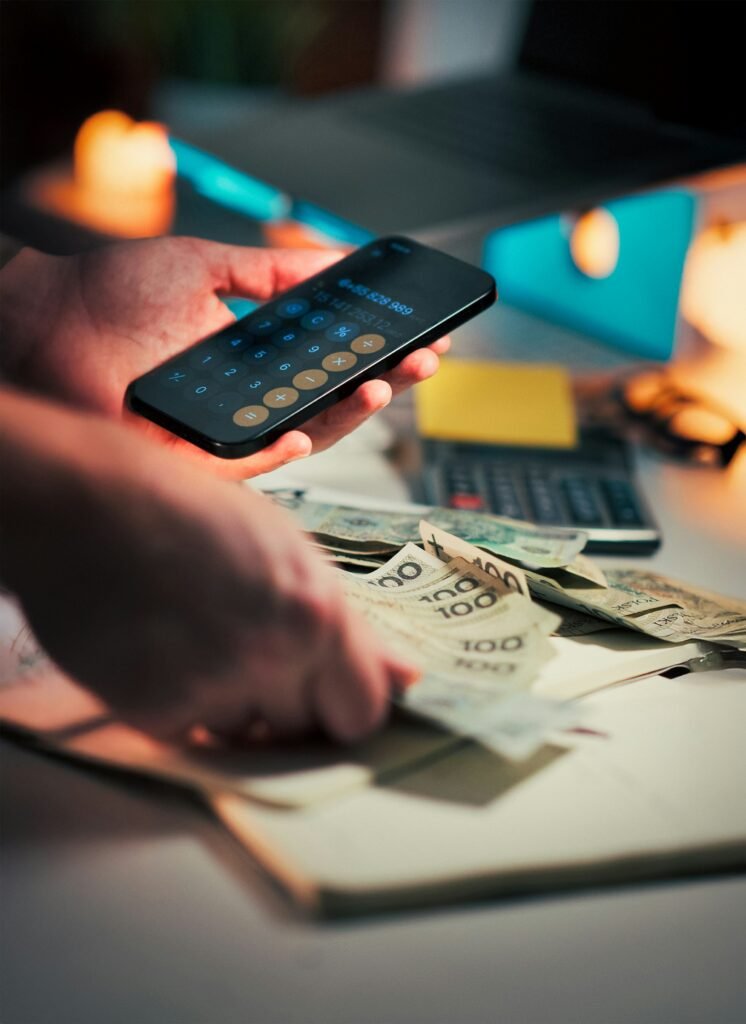
A large purchase becomes stressful when you buy it first and figure out how to pay for it later. A better system is to decide what you need, set a target date and save toward the purchase before you swipe your card.
Start with the real price
Write down the full cost, not just the advertised price. Include tax, delivery, accessories, setup, maintenance or any other unavoidable costs.
If the purchase costs $1,200 but the real total is $1,350, your savings target is $1,350.
Give the purchase a deadline
A target without a date is easy to postpone. If you need $1,350 in nine months, you need to save about $150 per month. If you can only save $100, either extend the timeline or reduce the target.
This simple calculation turns a vague goal into a monthly decision.
Create a sinking fund
A sinking fund is money you set aside gradually for a known future expense. Feed Flow already covers the basics of setting up a sinking fund. For a large purchase, give the fund a specific name such as “Laptop,” “Car Repair” or “Vacation.”
Automate the transfer
If you wait until the end of the month to save what remains, there may be nothing left. Schedule an automatic transfer after payday if your bank supports it.
Even a smaller automatic amount creates a repeatable habit. Increase it when your income rises or when another expense disappears.
Use three ways to reach the target faster
- Cut a temporary expense: pause one subscription or reduce discretionary spending for the saving period.
- Add temporary income: use extra freelance work, overtime or a short-term side project when available.
- Change the purchase: consider a lower-cost model, used item or sale if it still meets your actual need.
Feed Flow’s side-hustle ideas can help if additional income is the missing piece.
Do not drain your emergency fund
A big purchase is not an emergency just because you want it soon. Keep your emergency savings separate. Feed Flow’s emergency fund guide explains the purpose of that separate reserve.
What if you already need the purchase?
If the item is genuinely necessary, compare the cost of waiting with the cost of financing. Look for lower-cost alternatives first. If you consider credit, understand the interest rate, fees, repayment period and total amount you would pay.
For consumer credit education, the Consumer Financial Protection Bureau’s credit card resources are a useful official reference.
Use a visible progress tracker
A simple tracker can make the goal feel real. Record the target, amount saved, remaining amount and target date. Update it after each contribution.
Protect the fund
Keep the purchase money separate from your everyday spending account. If you repeatedly transfer it back for unrelated expenses, the target will keep moving.
Bottom line
Saving for a large purchase is mostly a planning problem. Know the real cost, set a deadline, divide the target into manageable contributions and keep the money separate from everyday spending.
If you need help getting the rest of your finances organized, Feed Flow’s Personal Finance Guide covers budgeting, saving and other beginner money systems.
nn
Start With the Purchase Date
Choose the date you want to buy the item, then divide the remaining cost by the number of pay periods available. If the amount is uncomfortable, extend the timeline or lower the target instead of automatically using a credit card.
Keep the Sinking Fund Separate
A separate savings bucket makes progress visible and reduces accidental spending. Label it for the exact goal and automate a transfer after each paycheck when possible.
Protect Your Emergency Fund
A large purchase is planned spending; an emergency is not. Keep these purposes separate so one purchase does not leave you exposed to an unexpected bill.