
Halloween decorating can be as simple as a few pumpkins and candles or as elaborate as a full transformation of your home. The trick is deciding what you want the space to feel like before you start buying or making decorations.
This complete Halloween decorating guide brings together the major ways to decorate for the season: front porches, entryways, living rooms, dining areas, bedrooms, windows, tables, pumpkins, DIY crafts, and party spaces. Use it as your starting point, then follow the more focused guides when you know which area you want to work on.
- Choose a Halloween decorating style
- Plan the decoration room by room
- Front porch and outdoor Halloween decor
- Indoor Halloween decorating
- Entryway and hallway ideas
- Halloween table and dining decor
- Pumpkins and jack-o’-lanterns
- DIY Halloween decorations
- Halloween decorating for small spaces
- Decorating for a Halloween party
- How to decorate on a budget
- When to decorate for Halloween
- Halloween decorating checklist
Choose a Halloween decorating style first
Before buying decorations, choose one visual direction. This prevents the common problem of collecting unrelated pieces that look fine individually but make the room feel cluttered together.
| Style | Useful colors | Good materials | Works especially well in |
|---|---|---|---|
| Classic spooky | Black, orange, white | Paper, fabric, pumpkins | Porches, family rooms |
| Gothic | Black, burgundy, deep purple | Velvet, metal, dark glass | Dining rooms, living rooms |
| Cute Halloween | Orange, cream, pink, soft purple | Paper, felt, ceramics | Bedrooms, kids’ spaces |
| Harvest Halloween | Rust, brown, cream, muted orange | Wood, dried stems, pumpkins | Entryways, dining areas |
| Haunted house | Black, gray, dark red | Gauze, distressed wood, faux cobwebs | Porches, parties |
| Minimal Halloween | Black, white, one accent | Ceramic, glass, simple textiles | Apartments, modern homes |
You do not need to use only one style. A useful rule is to keep one dominant palette and one repeated motif, such as bats, pumpkins, skulls, ghosts, ravens, or vintage Halloween graphics.
Plan the decoration room by room
Start with the areas people actually see and use. A strong decorating plan usually works from the outside toward the main living areas rather than placing decorations randomly.
- Front entrance: create the first impression with the door, porch, steps, or a small doorstep display.
- Entryway: repeat the same colors or motifs so the transition into the house feels intentional.
- Living room: decorate one or two focal points instead of covering every surface.
- Dining area: use the table, centerpiece, chairs, and nearby wall as one composition.
- Kitchen: keep decorations practical and away from heat, food-preparation surfaces, and areas where they can fall.
- Bedrooms: use smaller seasonal details such as bedding, pillows, art, garlands, or bedside decor.
- Windows and shelves: add visual height with silhouettes, paper decorations, or small collections.
Front porch and outdoor Halloween decor
The front entrance has unusually high visual impact because it can be seen from the street before anyone enters your home. Think in layers: background, middle ground, and foreground.
- Background: door, wall, windows, or a dark backdrop.
- Middle ground: wreaths, signs, lanterns, hanging ghosts, or a doorway frame.
- Foreground: pumpkins, planters, baskets, hay bales, or ground-level props.
For a large collection of ideas, see 71 Halloween Front Porch & Outdoor Decor Ideas for 2026. It focuses specifically on porches, doors, steps, yards, and outdoor displays.
For a polished porch, leave a clear walking route. Decorations should frame the entrance rather than force people to walk around them. Outdoor electrical items should also be rated for outdoor use and positioned so cords do not become trip hazards.
Indoor Halloween decorating
Inside the home, the easiest way to make Halloween decor look intentional is to decorate focal surfaces rather than every available surface. A fireplace mantel, media console, bookshelf, coffee table, dining table, or window can become the main seasonal scene.
For a room-by-room collection, use 101 Indoor Halloween Decoration Ideas for 2026. It covers living rooms, shelves, windows, tables, hallways, and smaller decorative moments.
Try repeating three elements across a room. For example, use black candleholders, small pumpkins, and bat silhouettes in different sizes. Repetition creates cohesion without requiring a matching decoration set.
Entryway and hallway ideas
Entryways are excellent places for Halloween because they are transitional spaces. A narrow console can hold a small pumpkin arrangement, a mirror can be surrounded by paper bats, and a wall can carry a simple seasonal print.
If the hallway is narrow, keep decorations shallow and above shoulder height. Hanging elements should not interfere with doors, lighting, or normal movement through the space.
Halloween table and dining decor
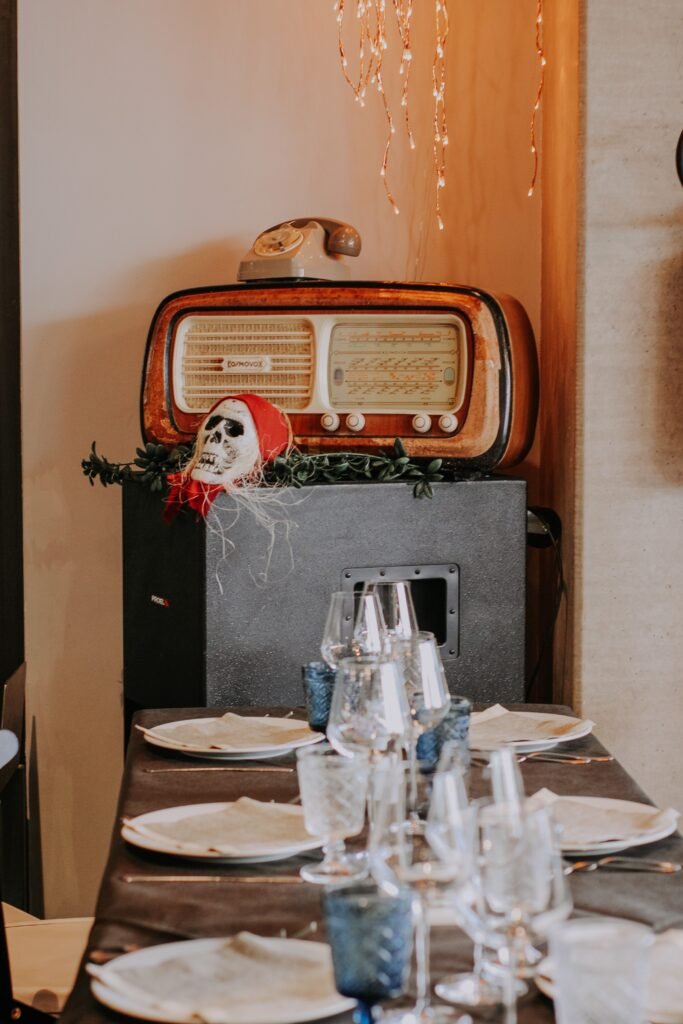
A Halloween table does not need to look like a costume shop. You can create a more sophisticated setting by combining a dark runner, neutral plates, low pumpkins, candles, and one dramatic centerpiece.
For a party, coordinate the table with the larger theme rather than designing it separately. If the party is gothic, use darker textures and candlelight. If it is family-friendly, use pumpkins, ghosts, playful colors, and easy-to-clean materials.
Keep centerpieces low enough for conversation and keep open flames away from paper, fabric, costumes, and anything children or pets could reach.
Pumpkins and jack-o’-lanterns
Pumpkins can be the simplest way to connect outdoor and indoor Halloween decorating. Mix sizes instead of using a row of identical pumpkins, and vary the finish with painted, carved, natural, or fabric-covered pieces.
For carving inspiration, see 101 Halloween Pumpkin Carving Ideas for 2026. The guide covers classic faces, cute designs, scary expressions, and more creative patterns.
For a more flexible display, place uncarved pumpkins in groups of three or five, then add one taller object such as a lantern, vase, sign, or branch arrangement to create height.
DIY Halloween decorations
DIY decorating works especially well when you want a specific size, color, or theme without buying a complete collection. Paper, cardboard, fabric scraps, jars, old frames, and inexpensive craft materials can become seasonal decor.
For paper-based projects, see 81 Paper Halloween Craft Ideas for 2026. For children and family projects, see 101 Halloween Crafts for Kids in 2026.
One practical DIY rule: make a prototype first. Test one decoration before producing ten. This is especially useful for paper garlands, window silhouettes, table signs, and repeated wall decorations.
Halloween decorating for small spaces
A small apartment does not need fewer ideas; it needs fewer physical objects. Concentrate on vertical and temporary decorations.
- Use the front door or entry wall as one focal point.
- Decorate a single shelf instead of every shelf.
- Use window silhouettes instead of bulky props.
- Swap everyday pillows or artwork for Halloween versions rather than adding more objects.
- Use a small pumpkin grouping on one table.
- Choose decorations that fold flat for storage.
- Keep floor space open so the room remains functional.
A useful target is to decorate one major focal point per room rather than trying to make every corner seasonal.
Decorating for a Halloween party
Party decor needs to do more than look good in photographs. It should help guests understand where to enter, where food goes, where activities happen, and where they can sit.
Start with the entrance, then create a clear path toward the main gathering area. Use the food table as a visual anchor and reserve one area for photographs if pictures are an important part of the event.
For a large collection of party decoration ideas, see 101 Halloween Party Decoration Ideas for 2026. For the broader event plan, see 101 Halloween Party Planning Ideas for 2026.
If you need games, 101 Halloween Party Games for 2026 can help fill the activity portion of the plan. For theme selection, see 61 Halloween Party Theme Ideas for 2026.
How to decorate for Halloween on a budget
Set a budget before shopping and divide it between the areas that matter most. A useful approach is to spend first on reusable foundations and then add inexpensive seasonal details.
| Budget area | Good investment | Low-cost addition |
|---|---|---|
| Entrance | Reusable wreath or lanterns | Paper bats, pumpkins, printed sign |
| Living room | Throw blanket or pillow covers | Garland, small figurines |
| Dining | Reusable runner or serving pieces | DIY centerpiece, paper place cards |
| Party | Reusable lighting | Paper backdrop and DIY signs |
Also check what you already own. Black vases, amber glass, baskets, candleholders, neutral blankets, old picture frames, and dark serving pieces can often become Halloween decor without buying anything new.
When should you decorate for Halloween?
There is no single correct date. For most homes, decorating in stages works better than doing everything at once.
- Early September: choose the theme, inventory existing decorations, and make a shopping or DIY list.
- Mid to late September: add subtle indoor and outdoor pieces.
- Early October: build the main decorations and complete DIY projects.
- Mid October: add pumpkins, party details, and stronger spooky elements.
- Halloween week: finish food-area decor, fresh pumpkins, lighting, and any temporary displays.
If you want the home to feel seasonal for several weeks, start with autumnal pieces and add unmistakably Halloween elements closer to October 31.
Halloween decorating checklist
- Choose one main decorating style.
- Pick a limited color palette.
- Decide which rooms or outdoor areas matter most.
- Inventory decorations you already own.
- Measure spaces before buying large pieces.
- Create one focal point per major area.
- Use repeated colors or motifs to connect rooms.
- Keep walkways, exits, stairs, and doorways clear.
- Keep candles and heat sources away from flammable decorations.
- Use weather-rated electrical decorations outdoors.
- Keep small pieces and cords away from children and pets.
- Finish large DIY projects before the final week.
- Photograph and label storage boxes so next year’s setup is faster.
Build your Halloween home from one idea, not a pile of decorations
The most successful Halloween decorating plans usually have a clear visual idea behind them. Decide whether you want the house to feel spooky, elegant, cute, playful, dramatic, or traditionally autumnal, then repeat that direction through the entrance, main living space, dining area, and outdoor display.
From here, use the focused Feed Flow guides when you are ready to work on a specific part of the home, whether that means the front porch, indoor rooms, pumpkins, paper crafts, or a full Halloween party setup.
Looking for the broader seasonal roadmap? Visit the complete Halloween ideas hub to move between decorating, costumes, beauty, parties, food, games, and activities.