
Plan Around Your Real Schedule
Look at the week ahead and identify the days when cooking time will be limited. Plan simple meals for those days and save more involved recipes for when you have time. A short plan can reduce last-minute decisions and reliance on convenience food.
Build Balanced Meals
A practical meal can combine vegetables or fruit, a protein source, a carbohydrate or whole grain and a source of healthy fat. The exact portions and foods can vary with your preferences, culture, budget and nutritional needs.
Quick Breakfast Ideas
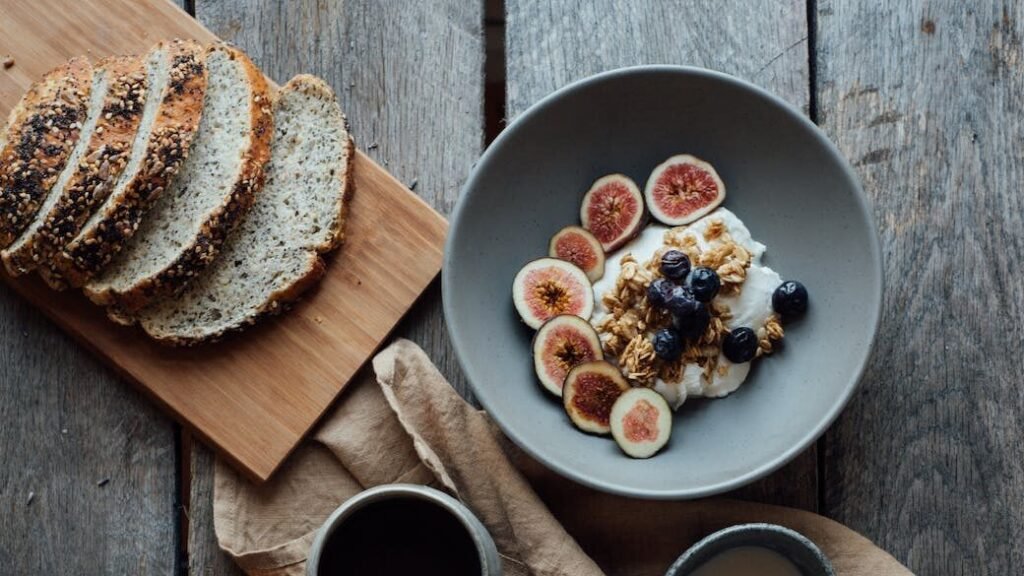
- Greek yogurt with fruit, oats or nuts
- Eggs with whole-grain toast and fruit
- Overnight oats with milk or yogurt
- A smoothie with fruit, yogurt and another protein source
Quick Lunch Ideas
- Grain bowl with vegetables and beans or chicken
- Whole-grain wrap with vegetables and a protein filling
- Leftover roasted vegetables with rice and a protein source
- Soup with a side of fruit or a simple salad
Fast Dinner Ideas
- Sheet-pan vegetables with chicken, tofu or fish
- Stir-fried vegetables with rice and a protein source
- Whole-grain pasta with vegetables and beans
- Bean or lentil bowls with prepared vegetables
Make Preparation Easier
Wash produce, cook a batch of grains or proteins and portion snacks when you have time. Keep a few shelf-stable staples available for days when plans change.
Key Takeaway
Healthy eating on a busy schedule is easier when meals are simple, repeatable and planned around your actual week. Focus on balanced choices rather than trying to make every meal perfect.