
Catbird Review: Is Brooklyn-Made Fine Jewelry Worth the Price?
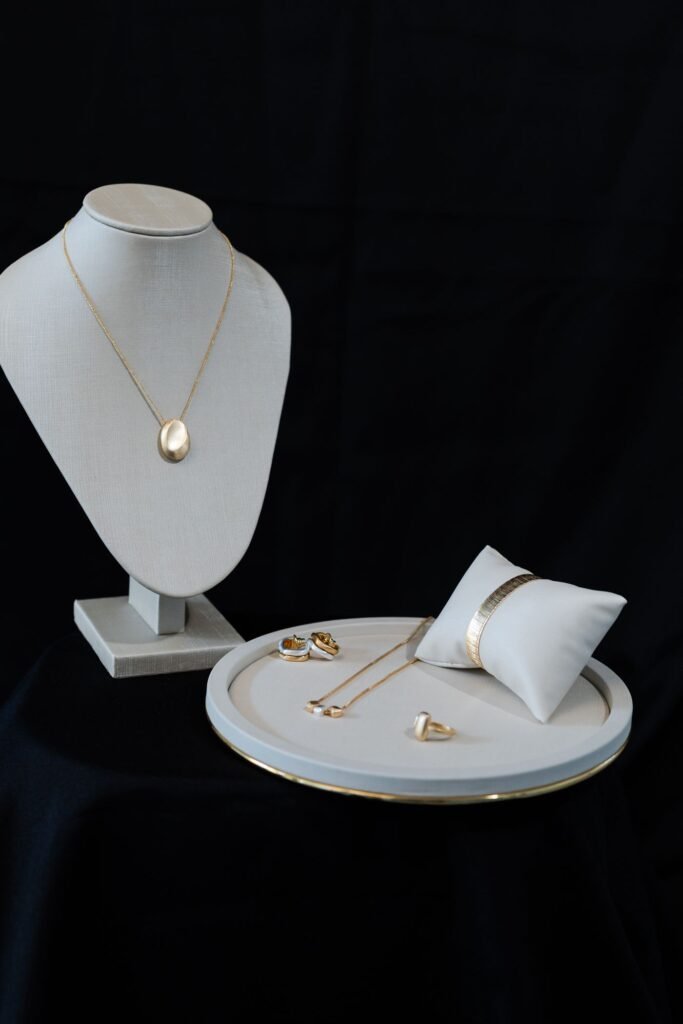
Catbird grew from a small Williamsburg, Brooklyn shop into a fine-jewelry brand with its own line and a curated selection of other designers. Its public brand story emphasizes delicate gold pieces, stacking rings, personal gifts and jewelry intended to be worn frequently. That distinct point of view makes it most useful to evaluate as a style-led fine-jewelry retailer rather than compare it only with large diamond marketplaces.
This is an editorial review based on public brand information and practical purchase checks, not a claim of personal shopping or hands-on testing. Product availability, prices, service locations and policies can change, so confirm the current details directly with Catbird.
Best For: Buyers drawn to delicate gold jewelry, stacking rings, personal gifts and selected wedding pieces.
Style: Fine, layered and often understated, with a Brooklyn studio identity.
Not Ideal For: Shoppers who want every purchase decision reduced to a single carat-price comparison or need a specific service unavailable in their area.
Value Check: Confirm the exact metal, stone, dimensions, repair terms and service eligibility for the piece.
The Quick Verdict: Buyer Summary
Catbird is worth considering if you value distinctive, delicate designs and the ability to build a personal combination of rings, chains, charms or earrings. Its own materials and brand pages describe a focus on solid gold and a high proportion of recycled gold and diamonds. These are useful starting points, but shoppers should still inspect the details for the specific item and understand the limits of any sourcing claim.
- Potential strength: A clear design identity and a mix of in-house pieces and selected independent designers.
- Best comparison method: Compare the metal and gemstone specifications, not just the overall look or brand story.
- Buyer caution: Delicate designs can require more thoughtful care than heavier everyday pieces.
Who Catbird Is Best For
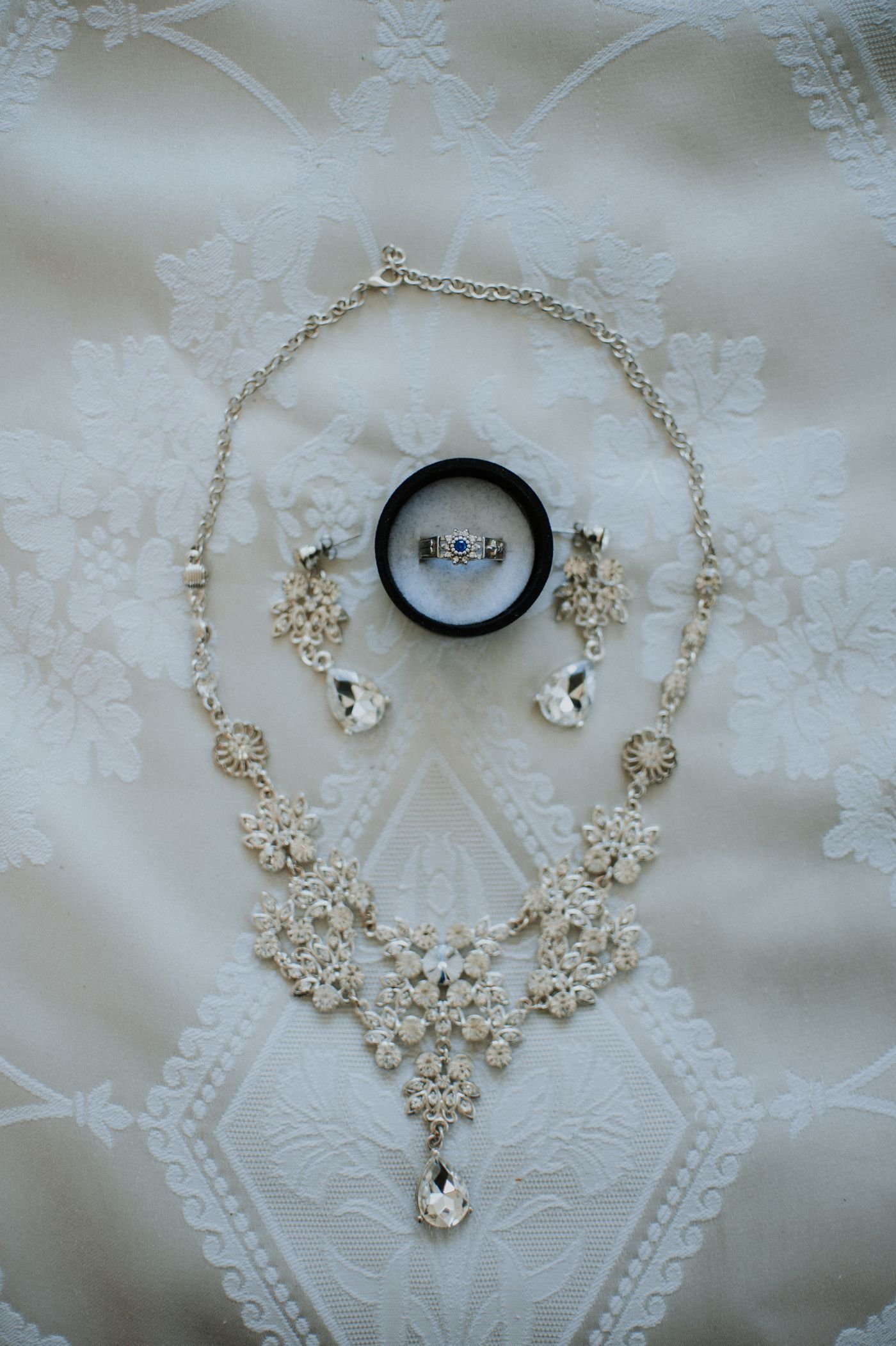
The brand’s style is a natural fit for shoppers who enjoy layering fine chains, combining slim rings or choosing a smaller piece with personal meaning. Its product mix also includes engagement and wedding jewelry, so buyers can explore more than everyday accessories. The best fit depends on whether the specific design, metal and service options match your needs.
If you are shopping for a traditional engagement ring with a large center diamond, compare the available stone specifications and setting details against specialist diamond retailers. If you are looking for a simple gold chain or stacking ring, focus instead on metal composition, dimensions, clasp or band construction, and how the piece will sit alongside jewelry you already own.
Design, Materials and Craftsmanship
Catbird’s official brand information says that its jewelry is designed and made in its Brooklyn studio with help from trusted partners, and its values pages describe using over 95% recycled gold and recycled diamonds. Those are brand-reported details, not independent guarantees about every material in every product. Review the item page for its own material and gemstone description before making a decision.
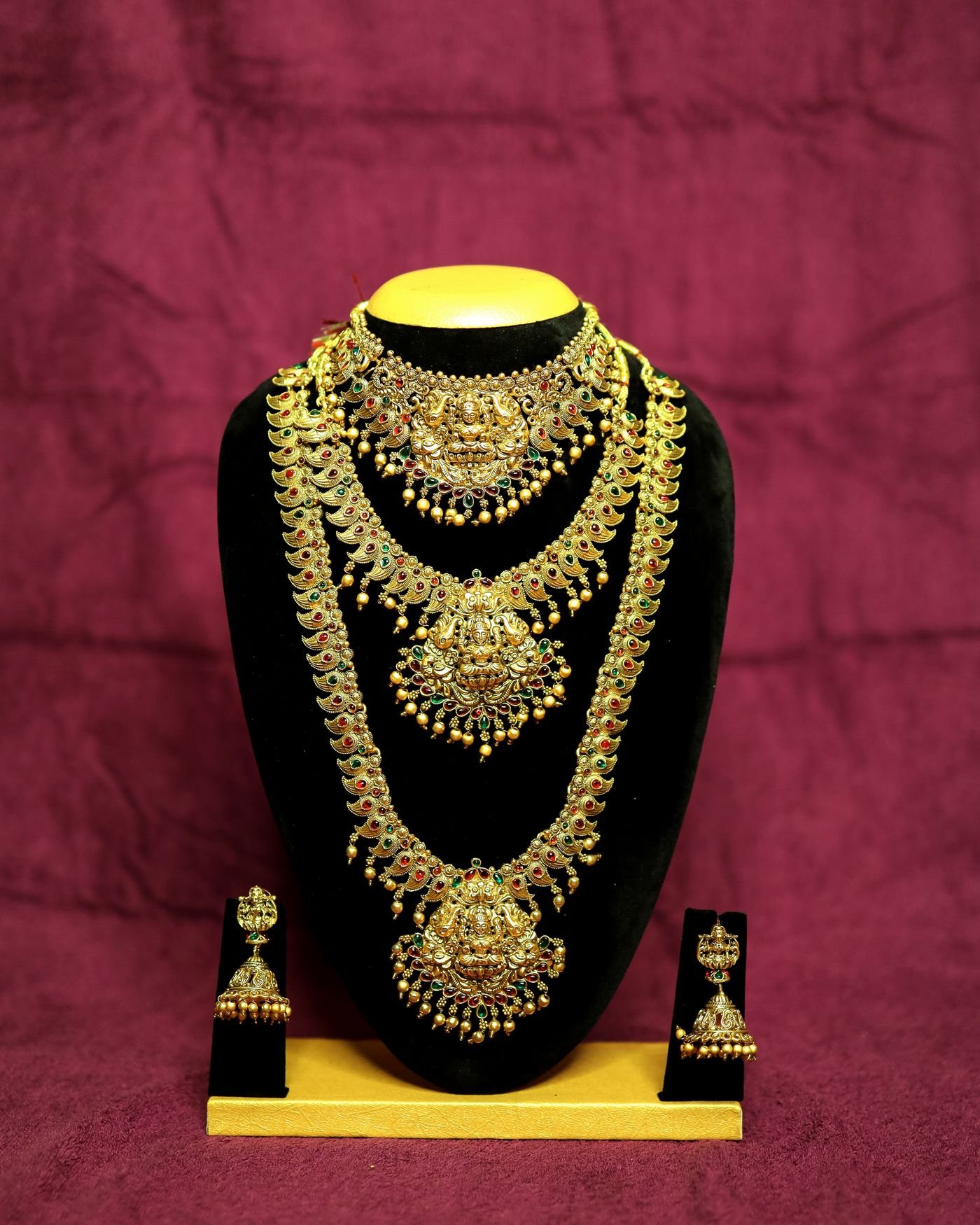
For gold, verify whether a piece is solid gold, its karat, and whether any component uses a different material. For diamonds and colored stones, check the stated origin or type and any grading documentation supplied. A gemstone’s appearance in a photograph does not establish its quality, treatment status or durability. The Gemological Institute of America offers independent educational resources on diamond and gemstone characteristics.
Delicate chains, tiny prongs and slim bands can be beautiful but may not be the best choice for every activity. Ask about repair options, resizing limits and recommended care before buying a piece intended for constant wear.
Pricing and Value
Catbird’s design identity and material disclosures may be part of the appeal, but value still depends on the exact piece. Compare the metal, stone type, dimensions, construction, finishing and service included. If two pieces have similar photographs but different specifications, their prices may not be directly comparable.
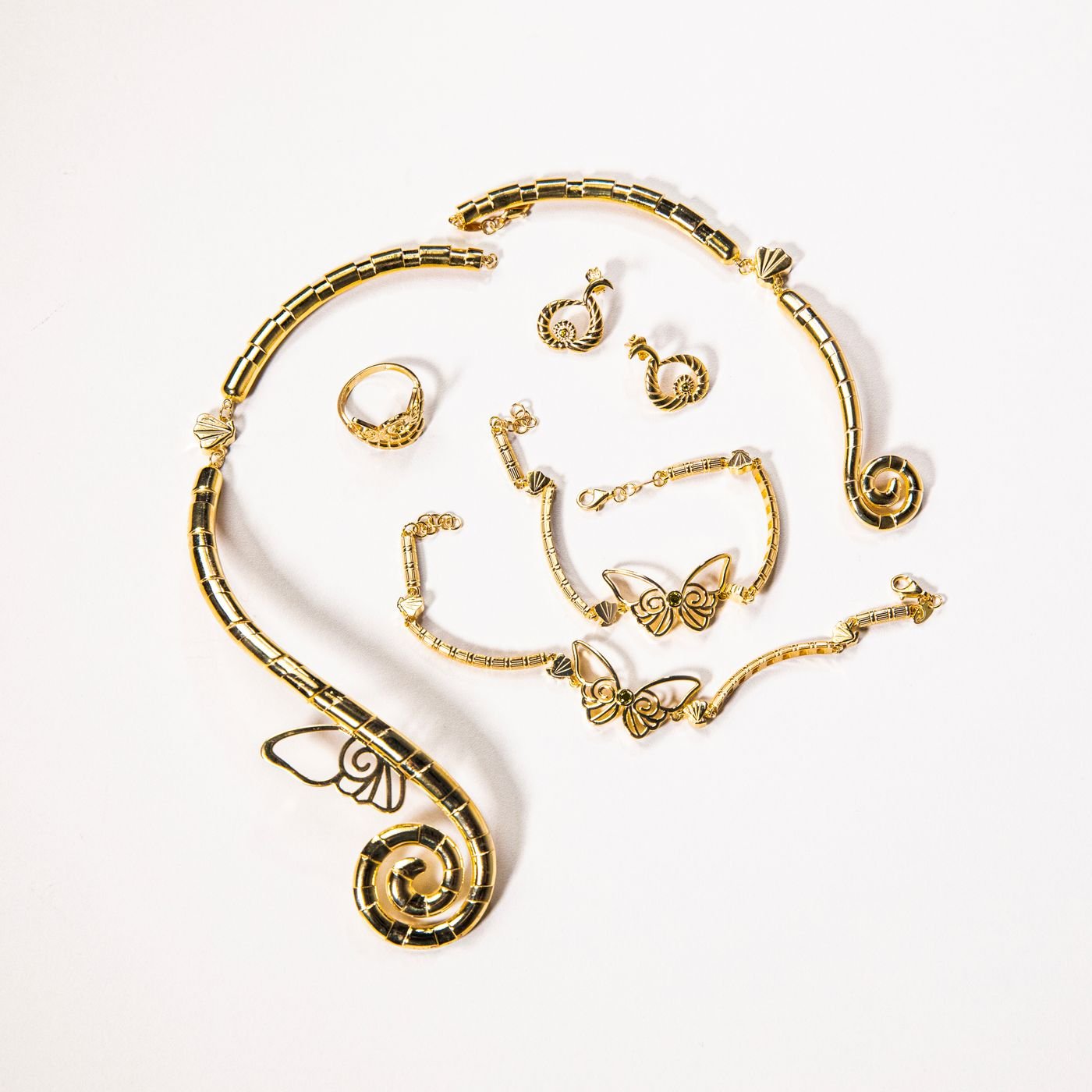
For a meaningful comparison, choose two or three similar pieces and write down the metal, stone, length or size, return window and repair policy. Include the cost of any additional service you may need. Avoid assuming that a sustainability statement or a higher price automatically means one piece will last longer than another.
Custom, Wedding and In-Store Services
Catbird’s public pages describe its studio, wedding jewelry and in-store services, including permanent jewelry at participating locations. Availability can vary by store and appointment, so check the official service page before making travel plans. If you are considering an engagement ring or a personalized piece, ask for the full production timeline, resizing options and what changes are possible after the order is placed.
For permanent jewelry or piercing services, verify the location, age or consent requirements, appointment availability and aftercare instructions in advance. A service offered at one store should not be assumed to be available at every location.
What Buyers Should Verify
- Confirm the exact metal, karat and stone description on the item page.
- Check the current return policy and exclusions for personalized or made-to-order pieces.
- Ask about sizing, repair, cleaning and service availability before checkout.
- Review any sustainability or sourcing statement in the context the brand provides.
- For a wedding or custom order, get timing and design details in writing.
For a wider overview of jewelry materials, settings and buying questions, visit the Feed Flow jewelry guide.
The Catbird buying test: materials, repairs and custom-work limits
Start with the metal, not the styling photograph. Catbird’s FAQ distinguishes 10K and 14K solid gold: it says its 10K styles are solid rather than plated, with a lower gold content and typically a lower price point; 14K contains a higher proportion of gold. In practical terms, 10K can be a rational everyday choice for someone prioritizing price and durability, while 14K may be preferred for its higher gold content and familiar fine-jewelry balance. Neither label alone tells you the weight, design strength, finishing quality or suitability for your skin. Check the individual listing and consider metal sensitivities if relevant.
Read the sourcing statement precisely. Catbird says its own line is made in New York and that it and the designers it carries use a mix of recycled and ethically sourced gold and diamonds. It also explains that recycled diamonds are reclaimed stones removed from older jewelry; because their original history cannot necessarily be traced, recycled does not mean the original mine is known. This is a useful distinction: recycled material can avoid new extraction for that stone, but it is not the same thing as full traceability to an original source. Treat the statement as the company’s disclosure and read the linked explanation rather than extending it to claims the brand does not make.
Check service eligibility before buying. Catbird’s published warranty separates wedding and engagement jewelry from its general jewelry and designer pieces. Its wedding and engagement terms describe certain complimentary services during the first year and lifetime polishing and matting for those categories; its general Catbird jewelry has a two-year warranty for qualifying breakage or damage. The terms exclude loss, normal wear and tear, misuse or improper care, and international orders are not eligible for warranty coverage or repair services at this time. Purchases from resellers are handled through the reseller, not automatically under Catbird’s direct-purchase warranty. Read the current warranty page for the exact category before checkout.
A particularly important limitation: heirloom stones and bespoke work
Catbird’s FAQ says it does not currently do custom work or set customers’ own stones. If you have an heirloom diamond or want a setting built around a stone you already own, do not assume its wedding collection means it can take on that project. Ask the company directly before planning around a service. This is a real buying distinction between a design-led retailer with its own studio and a jeweler that accepts outside stones or bespoke commissions.
Catbird makes most sense when you value its delicate design language, selected designer mix and the particular material or piece you have chosen. It may be a weaker fit if you need extensive customization, international repair support, or a retailer to assume responsibility for an heirloom stone. This review is based on public information, not hands-on testing. Before purchase, save the product listing and review the official FAQ, warranty and returns terms. Service and availability can change, so confirm them for your order.
Frequently Asked Questions
Is Catbird only an online jewelry store?
No. Catbird describes an online store as well as physical retail locations and a Brooklyn jewelry studio. Confirm current locations and services on its official site.
Does Catbird use recycled materials?
Its public brand pages state that it uses a high proportion of recycled gold and recycled diamonds. Check the specific product description and current brand disclosures for the item you are considering.
Is Catbird a good choice for an engagement ring?
It offers wedding and engagement jewelry, but suitability depends on the exact design, stone details, budget, fit and after-sales needs. Compare the specific ring against alternatives before deciding.