
Blue Nile Review: Is It a Good Place to Buy Fine Jewelry?
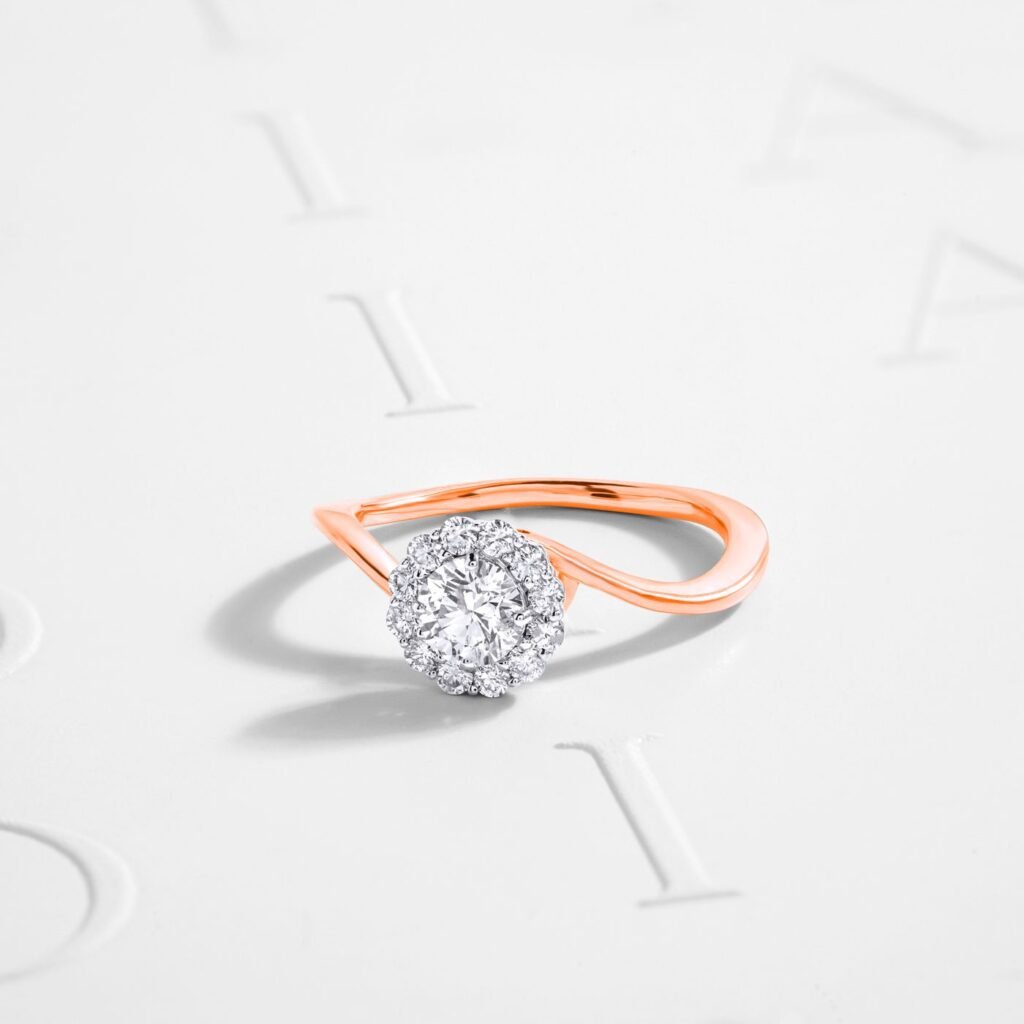
Blue Nile is an established online jewelry retailer with a broad engagement-ring and diamond selection. For buyers, the appeal of an online catalogue is the ability to compare styles, stone specifications and price points before deciding. The challenge is that a large catalogue can create false confidence if the buyer compares only carat weight or headline grades instead of the complete stone and ring specification.
This review uses publicly available brand information and practical buyer criteria; it is not a report of personal shopping or physical inspection. Availability, price and policy terms can change, so verify the current listing and return conditions for your location before ordering.
Best For: Shoppers who want to compare engagement rings and diamond jewelry online.
Style: A broad catalogue with classic and contemporary ring designs.
Potential Strength: Online filters make it possible to narrow choices by style and stone attributes.
Buyer Caution: Some customized, personalized, resized, clearance and final-sale items are excluded from the standard return policy.
The Quick Verdict: Buyer Summary
Blue Nile is worth considering if you prefer to research several options before speaking with a jeweler or visiting a showroom. Its public catalogue supports browsing engagement-ring styles and diamond attributes. The value of that choice depends on how carefully you compare the exact stone, setting, documentation and after-sales terms.
- Potential strength: A broad online selection helps shoppers explore multiple styles and specifications.
- Best comparison method: Compare stones at similar shapes and carat weights, then review grading documentation and the final ring configuration.
- Buyer caution: Return eligibility can depend on whether an item is customized, resized or marked as final sale.
What Blue Nile Offers
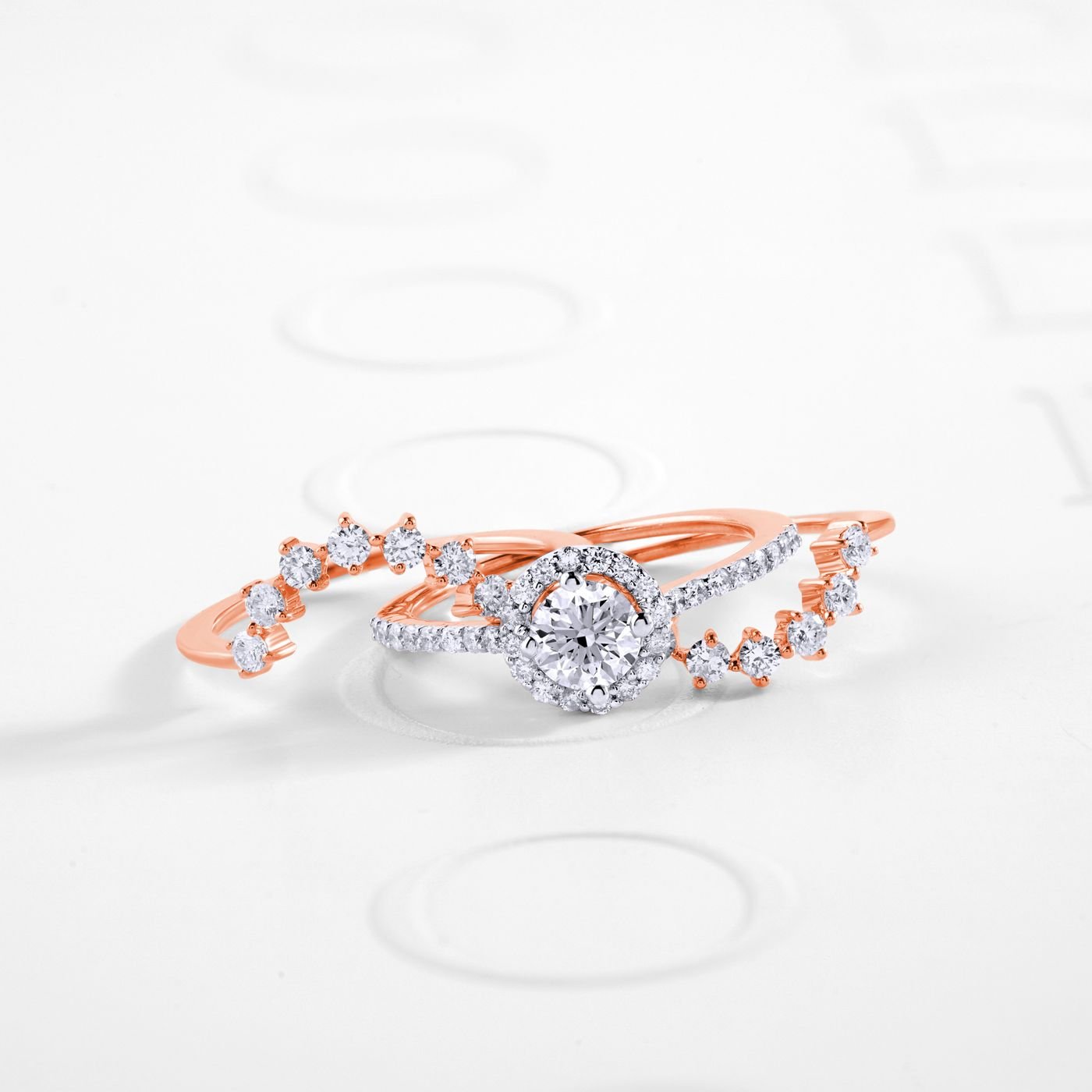
Blue Nile’s public engagement-ring catalogue includes different settings and stone options. When shopping, decide whether you want to choose a loose center diamond, select a complete ring or compare finished jewelry. Each path requires slightly different checks: a loose diamond calls for close attention to grading and appearance, while a finished ring also requires attention to metal, setting construction, comfort and resizing.
Start with a budget that includes the complete piece and any relevant delivery, tax or service costs. Then narrow the options based on shape, metal color, setting height and how the ring will be worn. The best choice is not necessarily the largest stone; it is the one whose appearance, construction and total cost match the buyer’s priorities.
Comparing Diamonds and Settings
Diamond grading information is important, but it should be read in context. Carat is a measure of weight, not a direct measurement of how large a stone looks from above. Color and clarity grades are also only part of the comparison. Cut quality, proportions, inclusions, lighting and setting design can affect how a stone appears in real life.
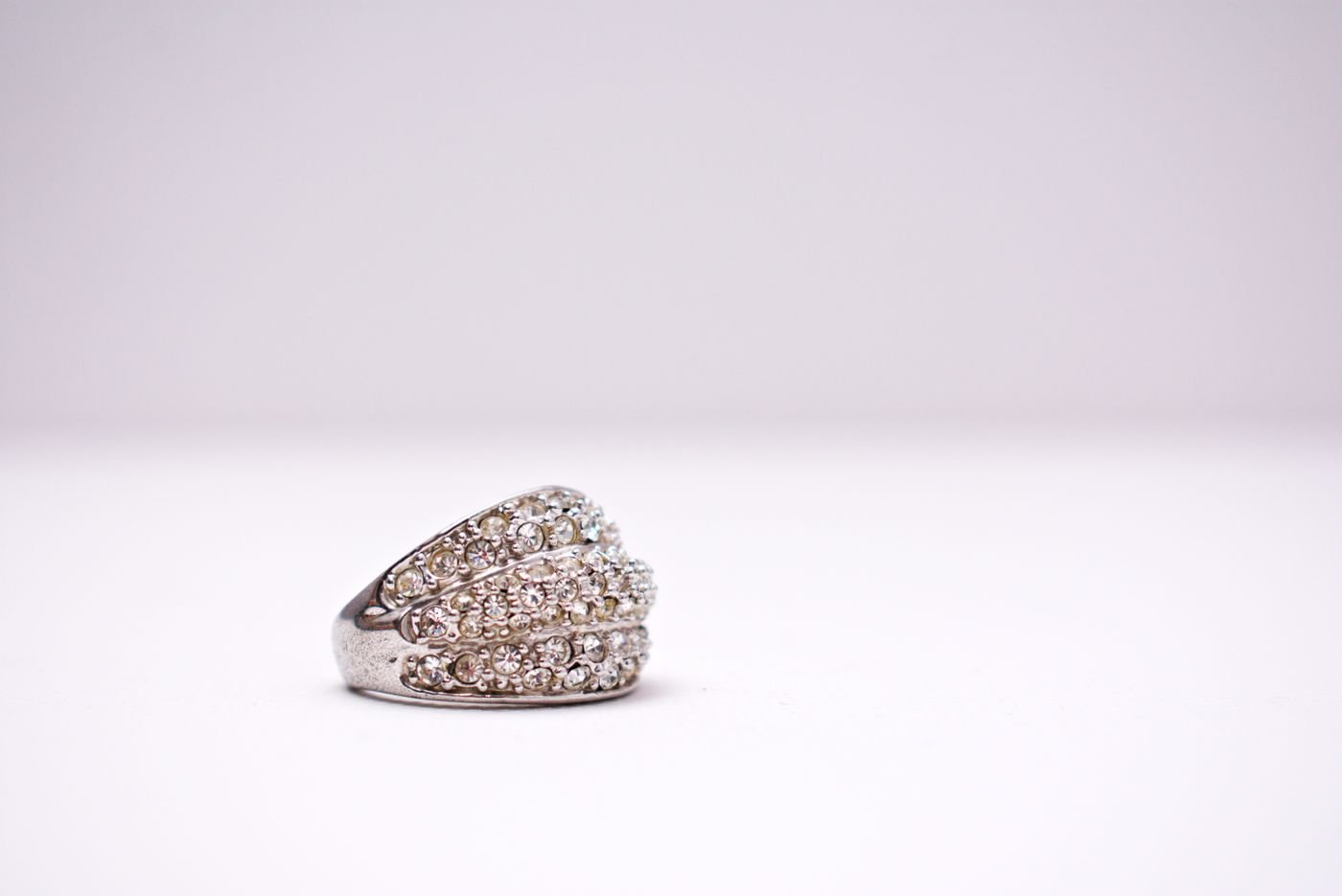
For diamonds, check the report associated with the exact stone and confirm that the report number and listed characteristics match the product page. The Gemological Institute of America provides independent educational resources on grading. If you are comparing natural and lab-grown diamonds, make sure the origin is clearly stated and compare like with like.
The setting is equally important. A high-profile setting may catch on clothing more easily, while a lower profile may be practical for everyday wear. Pointed shapes need appropriate protection, and pavé designs may require more careful maintenance. Ask whether the selected design can be resized and what the limits are.
Price and Value
Price comparison only works when the specifications are similar. Compare the stone, metal, side stones, setting, dimensions and included service. If one ring includes a different center stone or uses a different metal, the headline price does not tell the full story.

Build a short comparison sheet with the full specification, return eligibility, resizing rules and delivery estimate. That simple step is more useful than comparing a few search-result prices because it records what you would actually receive.
Returns, Resizing and Support
Blue Nile’s published U.S. return policy describes a 30-day return or exchange window for eligible items in original, unworn condition. It excludes several categories, including personalized jewelry, custom orders, engraved items, items resized after purchase, clearance and final-sale items. Its policy also notes that some rings cannot be resized because of their construction or materials.
Do not assume the same terms apply in every country or to every item. Read the current policy, check the item page for exclusions and contact customer service if a custom order or sizing issue is important to your decision. Keep the original documentation and packaging until you are certain the piece is right for you.
Before You Place an Order
- Confirm the exact diamond report and origin.
- Compare the finished ring specification, not only the center stone.
- Check whether the design can be resized and whether the policy limits apply.
- Read return exclusions before engraving or customizing.
- Save the order details and delivery estimate.
For more context on gemstones, metals and ring settings, see the Feed Flow jewelry guide.
The Blue Nile buying test: a current policy detail buyers should not miss
Compare the full ring, not only the center diamond. Blue Nile’s online catalogue can help shoppers narrow options by stone and setting, but the finished piece also depends on metal, side stones, setting height, ring size and resizing eligibility. Carat is weight, not a direct promise of face-up size; shape and proportions affect the visible outline. Two diamonds with similar headline grades may still look different, so check the report associated with the exact stone and compare the complete configuration before treating prices as equivalent.
Keep diamond documentation with the order. Read the named laboratory report and confirm its number matches the stone listed. The Gemological Institute of America offers independent education on grading concepts, but do not infer that a diamond carries a GIA report unless the specific listing says so. If documentation is important to resale, insurance or personal confidence, confirm what is supplied before checkout and retain it with the invoice.
Check the ring’s construction before assuming it can be resized. Blue Nile’s return guidance notes that some rings cannot be resized because of design or material, including certain eternity bands and tension rings. If your size is uncertain, ask before buying rather than relying on a general promise that rings can be adjusted. A resize can also affect return eligibility under published policy, so settle fit questions early whenever possible.
Why the warranty threshold matters
Blue Nile’s current limited-lifetime warranty page, effective October 11, 2026, says its warranty against manufacturing defects applies to covered gold and platinum jewelry priced at $1,000 or more. It excludes items below that price threshold as well as categories such as pearl and silver jewelry and alternative metals; unauthorized third-party repair or modification can also void coverage. This is a meaningful detail because a blanket phrase such as “lifetime warranty” can sound broader than the actual eligibility rules. Confirm the purchase price, metal and product category against the live warranty terms before you assume a particular piece qualifies.
The published U.S. return policy describes a 30-day window from shipment for eligible items in original, unworn condition, with exclusions including personalized, custom, engraved, resized-after-purchase, clearance and final-sale items. It also describes a limit of two complimentary returns per customer per year. International procedures may differ, and documentation must be returned where required. Review the current return policy and keep the original packaging and grading report until you are certain the ring is right.
Who should consider Blue Nile?
Blue Nile is worth comparing if you prefer to research a broad online selection and can assess a diamond report, setting details and after-sales terms before purchase. It may be less suitable if you need a service that is not available in your region or want to finalize every decision through in-person inspection. This review is based on public catalogue and policy information, not physical testing. The best next step is to build a side-by-side shortlist that records the exact stone, setting, metal, total price, return eligibility, resize terms and warranty eligibility for each candidate.
Frequently Asked Questions
Does Blue Nile sell engagement rings online?
Yes. Its official catalogue includes engagement-ring styles and diamond options. Confirm the exact setting and stone availability on the current product page.
Can every Blue Nile ring be resized?
No. The published policy explains that some designs and materials cannot be resized. Verify the specific ring’s sizing options before ordering.
Can customized items be returned?
Some personalized and custom items are excluded from the standard return policy. Review the current policy for the exact item before paying.